Once a keeper has kept one male and one female alive for a few months, a predictable thought surfaces: “I already have a pair—why not let them breed once just to keep a couple of babies?”
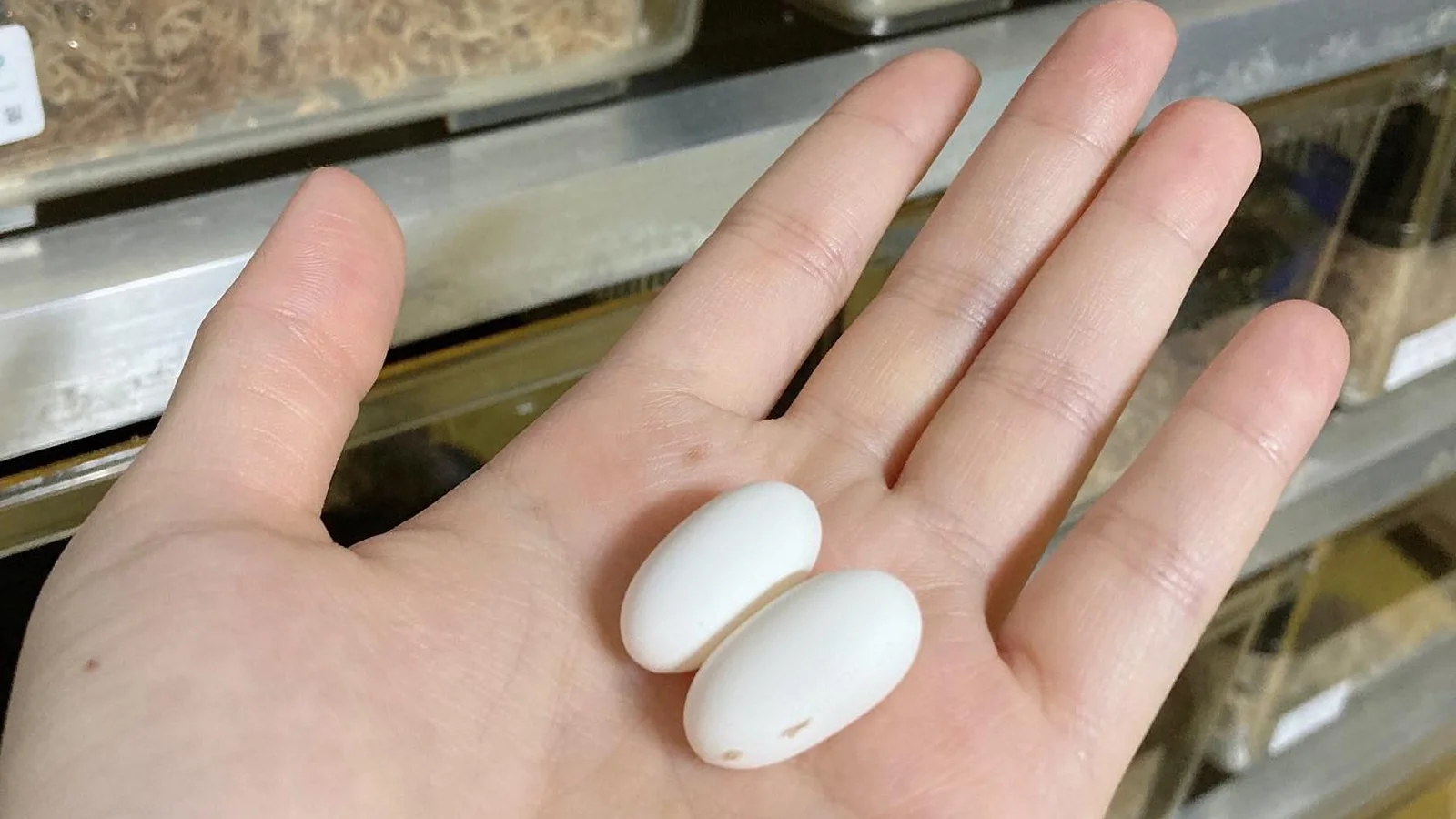
Before placing two geckos together, understand one biological reality that overwhelms unprepared keepers: female crested geckos retain viable sperm for months. A single mating can trigger clutches of 2 fertile eggs every 30 to 40 days for 6 to 9 months—meaning 12 to 18+ hatchlings from one evening.
Pairing is never “just hatching two pets.” It instantly multiplies enclosures, feeding dishes, misting time, maternal health stakes, and rehoming obligations.
Four Practical Realities Before You Pair Anything
| Breeding Factor | Beginner Expectation | Real-World Breeding Season |
|---|---|---|
| 1. Tub Count & Daily Chore Load | ”Two cute babies can share a small box” | Siblings nip tails and outcompete one another. Plan on 15+ separate ventilated tubs, misted nightly and refreshed with tiny food cups every 48 hours |
| 2. Maternal Calcium & Dystocia Risk | ”Egg-laying happens naturally on its own” | Shelling 7 to 9 clutches depletes calcium fast; young or borderline females suffer egg-binding (requiring expensive emergency vet intervention), hypocalcemic tremors, or cloacal prolapse |
| 3. Genetic Traps & Lethal Combos | ”Pretty parents automatically make valuable babies” | Blind pairings create lethal or deformed offspring (Lilly White × Lilly White, Cappuccino × Cappuccino, Highway × Highway) or muddy, unpedigreed mixes |
| 4. Market Saturation | ”Selling extras will pay for CGD and supplies” | Pet-grade and unpedigreed juveniles saturate local boards for months—you must be prepared to house and feed every unsold animal for years |
5 Hard Requirements Before Any Ethical Pairing
Even keepers with space and funds for 15+ separate tubs should check off all five standards prior to breeding:
- Age AND Lean Body Condition (Not Scale Numbers Alone): Females need to be at least 18 to 24 months old and weigh 40–45+ g in fit muscle tone—never power-feed a 10-month-old subadult up to 40 g and breed her while her pelvis is still immature.
- Checked Calcium Reserves & Biosecurity: Inspect the roof of the female’s mouth for full chalk-white endolymphatic sacs, complete full quarantine on both adults, and confirm negative fecal parasite tests (including Cryptosporidium PCR screening on unfamiliar imports).
- Straight Spine and Unwarped Pelvis: Females carrying residual spinal kinks from Metabolic Bone Disease or pelvic tilt from severe Floppy Tail Syndrome belong strictly in pet-only homes.
- Verified Genetics — Avoid Blind Crossing:
- Never pair homozygous lethal or high-defect lines (Lilly White × Lilly White, Cappuccino × Cappuccino, Highway × Highway);
- Exercise caution around complex Sable/Capp outcrosses and still-evolving Pied lines (where Korean
@cre_jjang ZeroandJIFbranches differ in Axanthic F1 behavior, homozygousSuper PiedF2 confirmation remains unfinished, and Pink Jelly Lilly Pied still carries lethal Lilly White risk if stacked—wait for multi-line documentation rather than guessing).
- Humane Population Control When Needed: If an unplanned clutch or surplus eggs appear and you lack housing capacity, freezing freshly laid eggs within 24–48 hours halts cell division humanely before embryonic development begins—far kinder than raising neglected animals.
Put That Budget Into One Great Animal Instead
Trading stacks of plastic breeder bins for one lush 30×30×45 cm or 45×45×60 cm arboreal habitat with daytime canopy foliage, sturdy cork hides, and balanced Pangea or Repashy CGD delivers far more daily joy than scrubbing dozens of hatchling tubs.
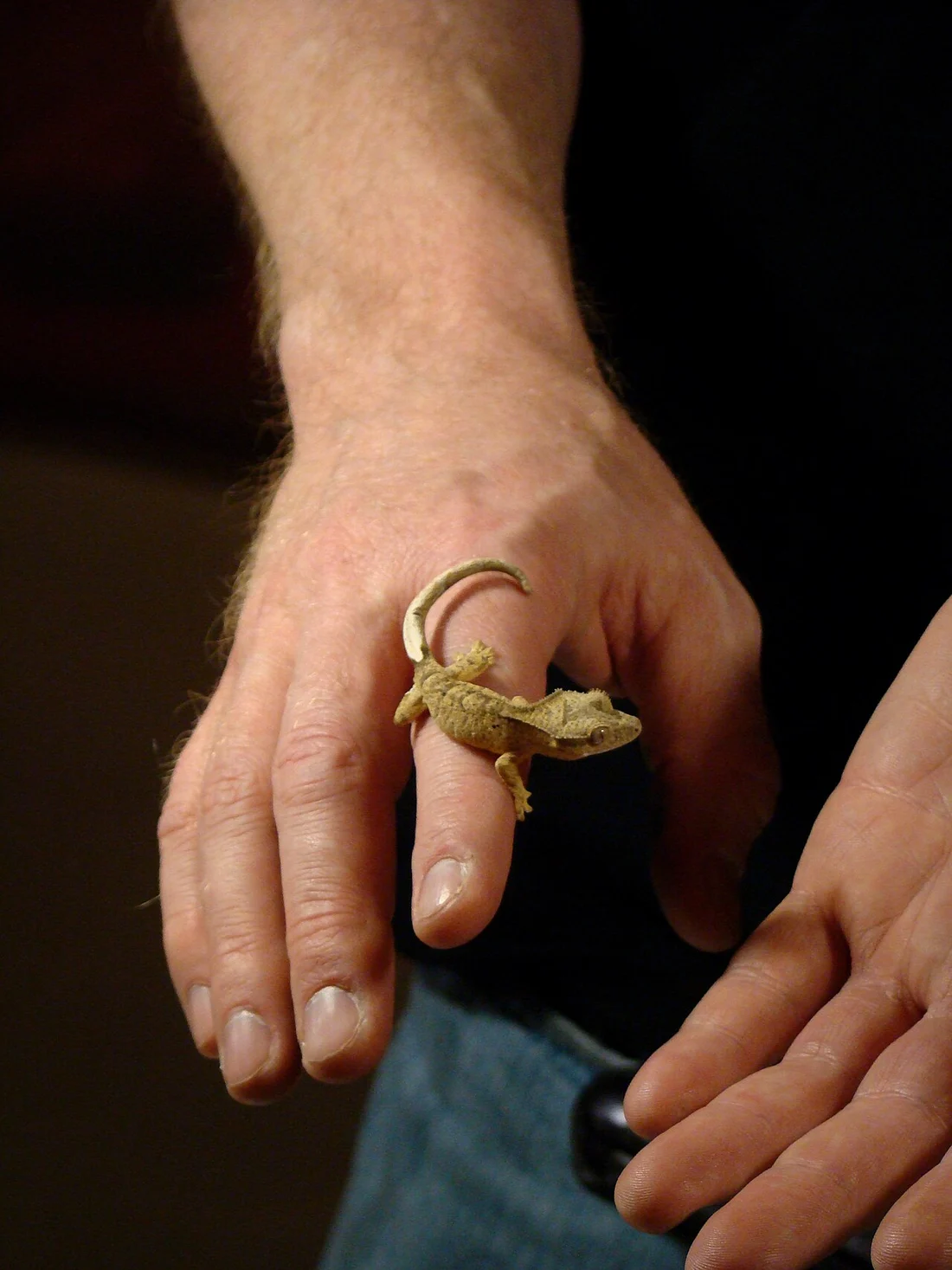
Track egg fertility and embryonic progress with a cool beam candler—or freeze unplanned fresh clutches within 24–48 hours before development starts.