Growth Stage & Focus
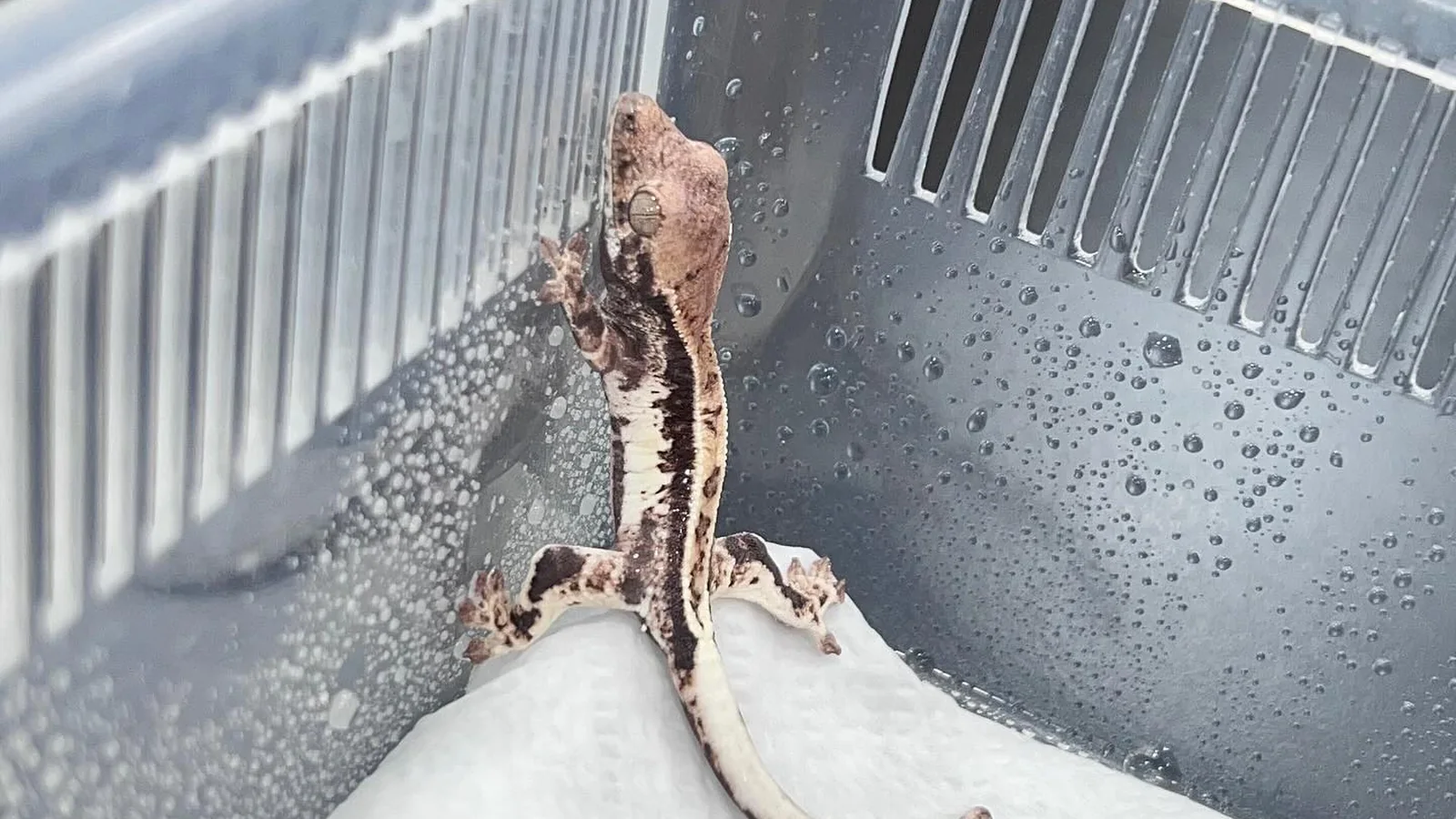
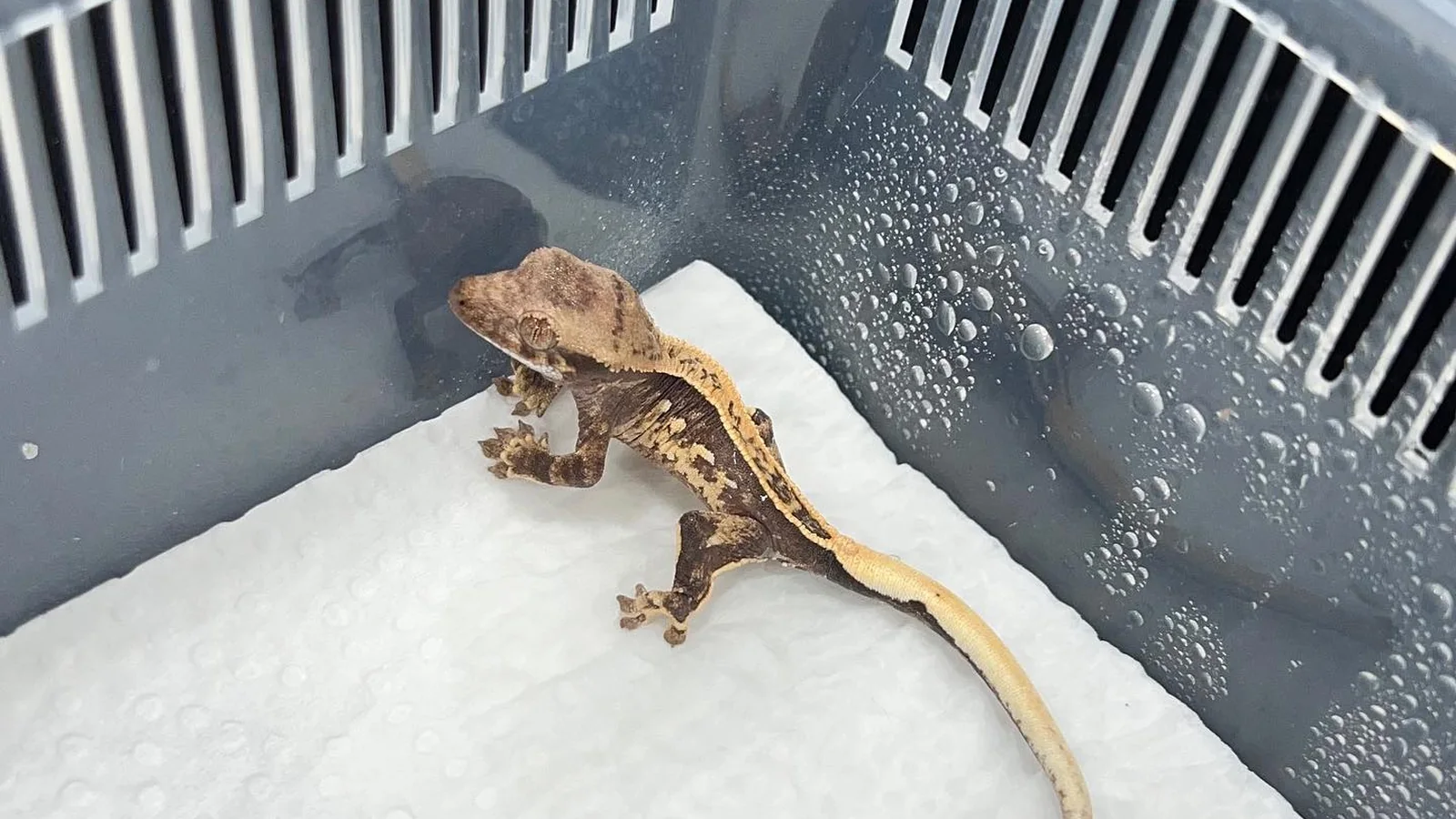
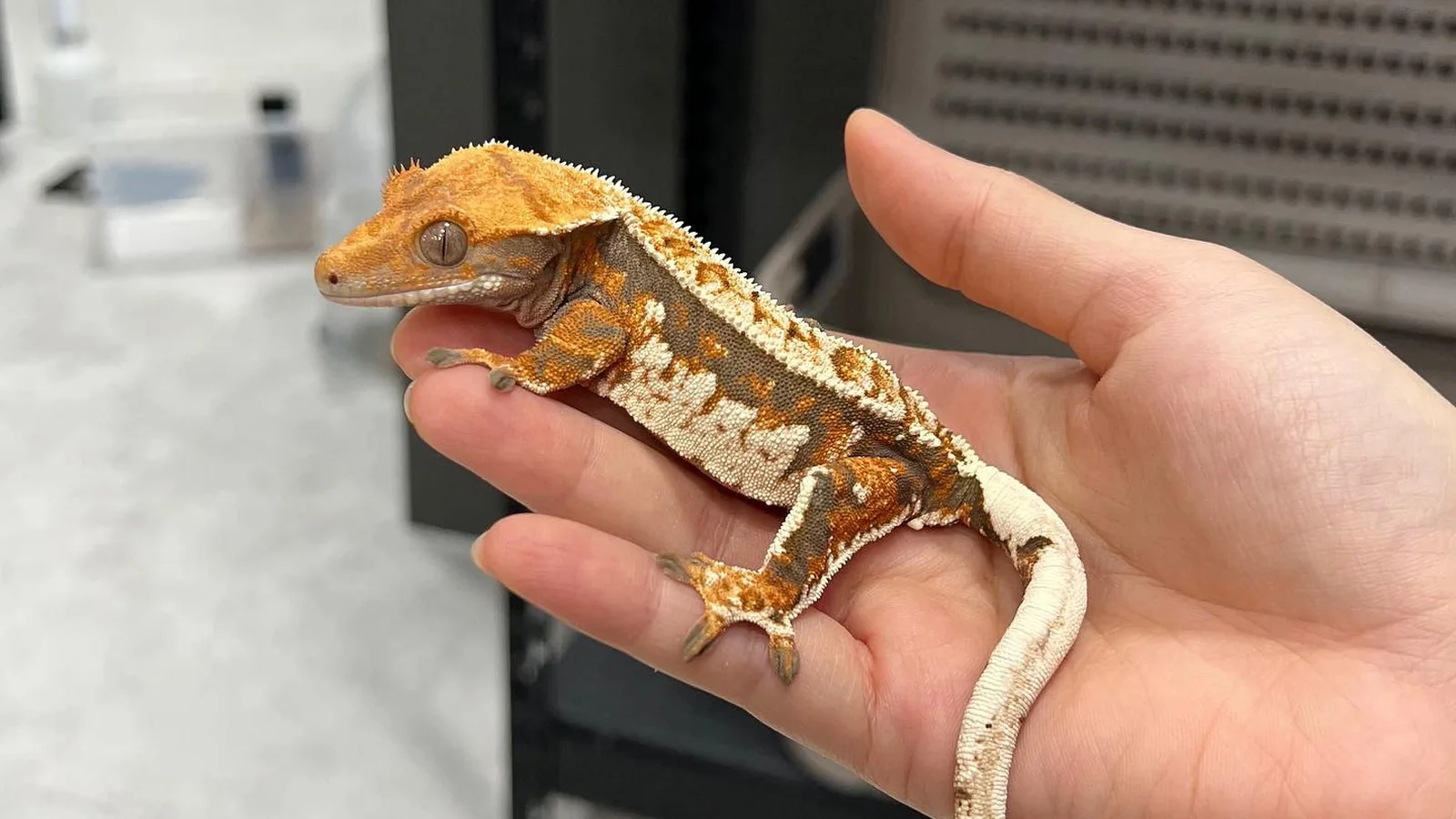
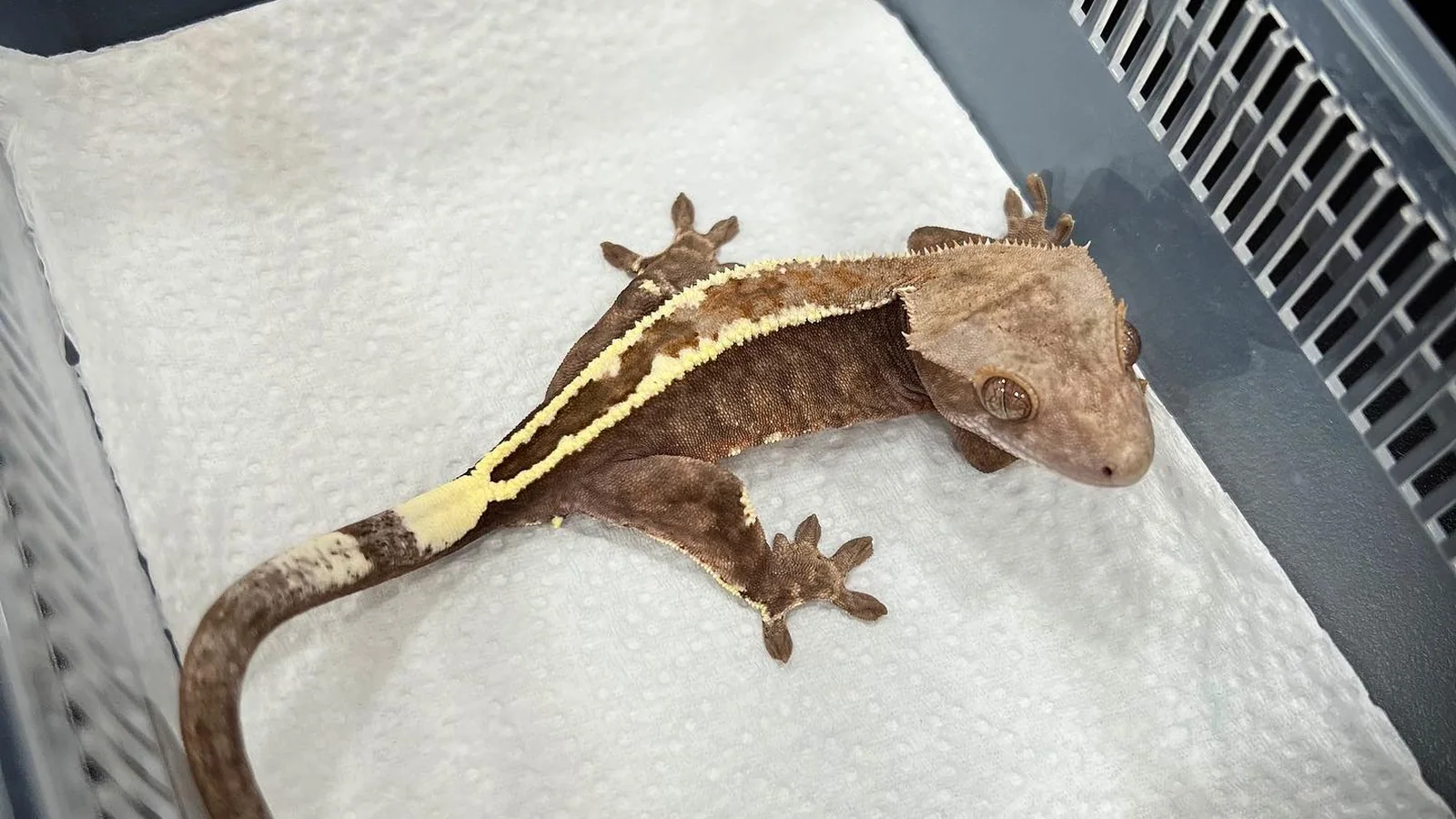
Rapid Subadult Growth (15–29g) Feeding settles into a steady curve—weigh biweekly to confirm gradual gain while maintaining 20–27°C airflow and daily wet-to-dry humidity cycles.
Indoor climate & airflow, CGD & live feeders, shedding, escape recovery, and everyday health triage.
Start from your actual room temperature and ventilation, then decide on enclosure, humidity cycling, branches, and substrate.
Chasing a single humidity readout leaves cages stagnant or stuffy. Learn vertical temperature gradients, cross-ventilation, and the natural 75%–85% dusk mist to 40%–65% daytime cycle.
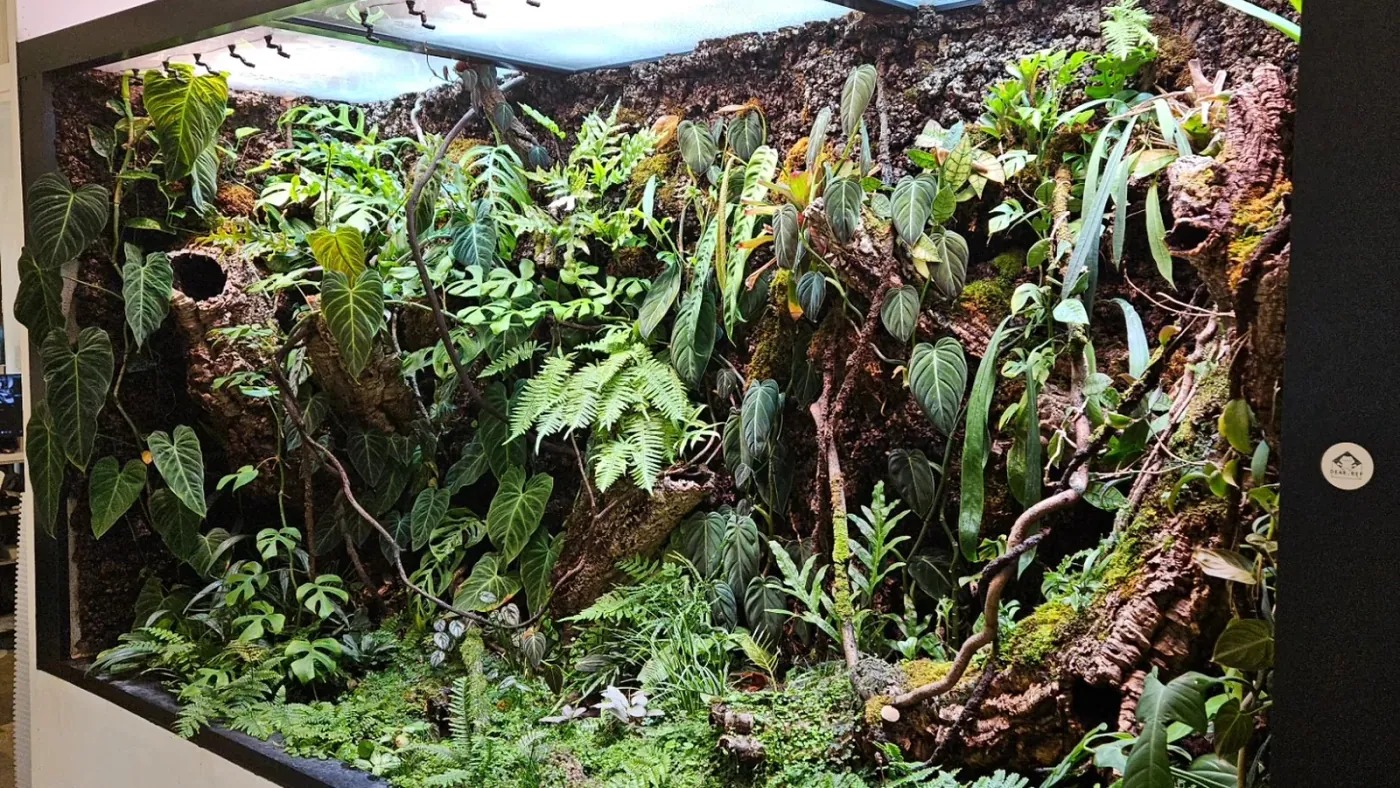
Read guideYou do not need to stuff the enclosure with fake plants. The gecko needs continuous climbing routes, horizontal perches that protect its tail, and 60%–80% leafy cover.
Read guideSubstrate is a monitoring tool before it is decor. Learn why paper towels protect quarantine and hatchlings, how to blend breathable loose soil, and when bioactive layers make sense.
Read guideFollowing cold-climate heating and misting guides in Malaysia invites heatstroke and mold. Learn how to hold safe temps below 27°C, cycle AC dry air, and handle monsoon humidity.
Read guideHatchlings struggle in vast empty glass, yet adults outgrow tiny starter boxes quickly. See why 30x30x45 cm fits most adults and when 20x20x30 or 45x45x60 cm makes sense.
Read guideCrested geckos do NOT require UVB lighting when fed D3-fortified complete diets and proper feeder calcium. If you still choose to add optional Zone 1 shade UVB, follow these safe UVI and dusting rules.
Read guideMost crested geckos thrive at room temperature, yet freezing winters or cold air-conditioned rooms still require gentle warmth. Learn exact thresholds, bulbs, and thermostat rules.
Read guideLive plants soften humidity drops and grip pads gently, yet nursery pots carry soil chemicals and hitchhikers. Learn sturdy gecko-safe species and the 4-step bare-root rinse.
Read guideChecking how much the dish went down is not enough. Poop, weight, and body condition need to move with it.
We recommend only Pangea and Repashy complete diets—evaluating insect and egg proteins, 2:1 calcium balance, ketchup texture, and cool fridge storage.
Read guideCrickets are our #1 primary live insect, with Dubia roaches, BSFL, and silkworms strictly secondary and mealworms, superworms, or waxworms avoided—always sized safely and lightly dusted with Repashy SuperCal MeD.
Read guideChoosing Calcium+D3, plain calcium, or multivitamins starts cleanly: reputable Pangea & Repashy CGD are already balanced, and insects take Repashy SuperCal MeD unless running optional UVB.
Read guideSkip forced syringe feeding after a few quiet nights. Relocation stress, temperature drift, eating shed skin, poorly placed ledges, or bug-fixation must be ruled out in sequence.
Read guideOne soft stool or a two-day gap rarely means crisis. Repeating foul diarrhea, stony yellow urates, undigested bug shells, or straining with zero output signals when to shift from watch to vet.
Read guideOne lighter number on the scale might simply mean a big poop or egg lay. True concern begins with consecutive drops over weeks alongside bone sharpness, lethargy, or stool shifts.
Read guideThe enclosure needs to dry after misting. With more than one gecko, separate quarantine, tools, and handling order.
Misting more often does not equal better hydration, and a water dish is not optional clutter. Understand how crested geckos drink, cycle moisture, and stay mold-free.
Read guideQuarantine takes more than placing tubs a few feet apart. Strict solitary housing, separate tools, fixed care order, 30–60 or 60–90 day paper-towel monitoring, and fresh fecal screening prevent cross-contamination.
Read guideRead calls, colour state, jumping, and stress signals in context instead of treating normal behaviour as illness.
Handling is optional rather than a daily quota. Give new arrivals 1–2 weeks to settle and feed first, then keep evening sessions short, low over soft ground, and choice-based.
Read guideCrested geckos are far from mute. Soft trills, squeaks, and angry barks each fit clear social triggers, whereas rhythmic wet clicking during rest signals respiratory trouble.
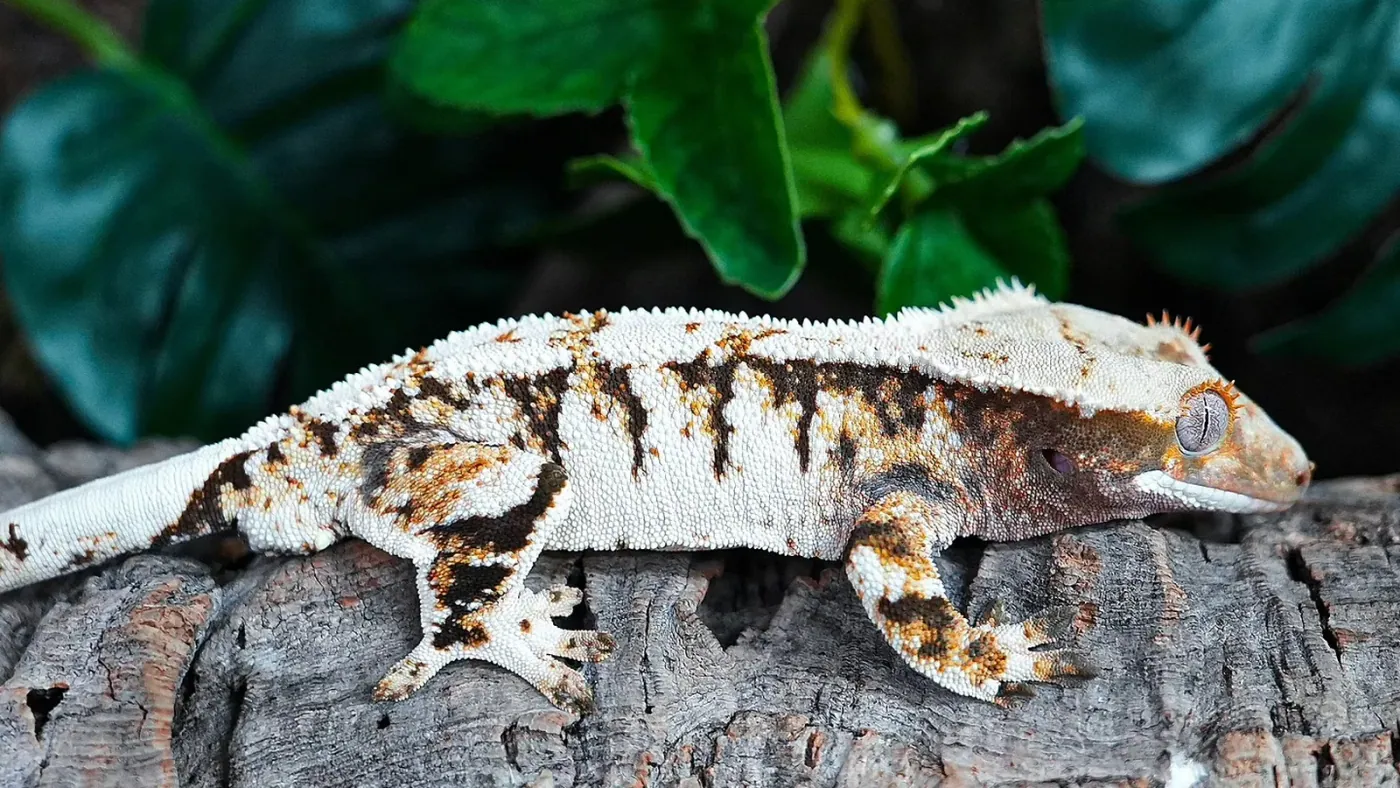
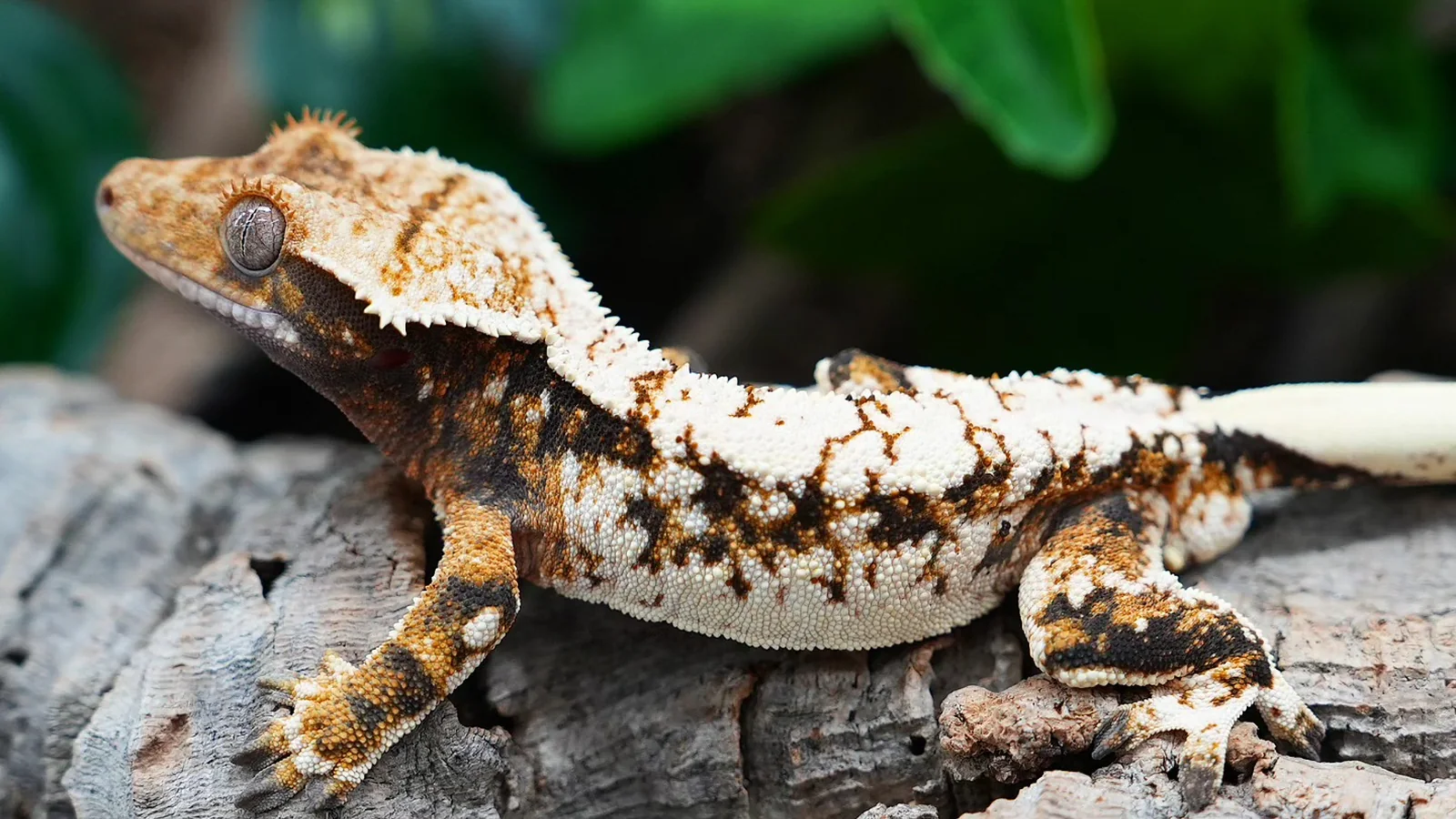
Read guideThe same crested gecko can shift from pale buckskin at noon to jet-black and blazing orange after misting. Learn pigment-cell biology and how to judge morphs accurately.
Read guideTargeted jumping is how arboreal geckos travel, while hitting tile from standing height is a preventable accident. Learn slipping causes, launch signals, and 48-hour fall checks.
Read guidePut weight, shedding, eyes, skin, breathing, and injury on one timeline before deciding whether to watch or call a vet.
Memorizing symptom lists is only step one—deciding whether to adjust your enclosure today or call an exotic vet right now matters more. Use this triage matrix to judge urgency accurately.
Read guideDry toe shed calls for a gentle room-temperature 20–26°C damp sauna box, whereas eye cloudiness and oozing skin blisters need an exotic vet—never metal forceps or harsh over-the-counter human creams.
Read guideYour first move after an injury is not rummaging for household ointments. Move the gecko onto clean white paper towels, remove tall branches to prevent re-injury, and triage safely.
Read guideA gecko turning frosty gray, hiding, and ignoring dinner often panics new owners—yet most healthy crested geckos shed cleanly in one night and swallow every scrap.
Read guideMetabolic bone disease rarely hits overnight—it creeps in through unbalanced food, missing calcium on feeders, or missing D3. Learn early signs, proper dusting, and recovery care.
Read guideInternal parasites are rarely visible to the naked eye. Repeated foul liquid stool, progressive weight loss despite normal eating, or skipped quarantine all call for chilled fresh fecal testing under 24 hours old.
Read guideA dropped crested gecko tail never regrows, yet healthy tail loss is rarely fatal. Learn the 14-day clean paper-towel recovery plan, how to stop preventable drops, and infection signs.
Read guideWet breathing clicks, nasal bubbles, thick stringy saliva, and neck-tilted gaping are never signs to wait and see on. Spot respiratory infections early and isolate the root trigger.
Read guideScrambling for a clinic once an emergency begins wastes critical hours. Line up an experienced reptile vet before problems hit and bring the four records that speed diagnosis.
Read guideCrested geckos routinely live 15 to 20+ years in good care rather than a few quick seasons. Learn normal aging changes past age 10 and four simple upgrades for comfortable senior living.
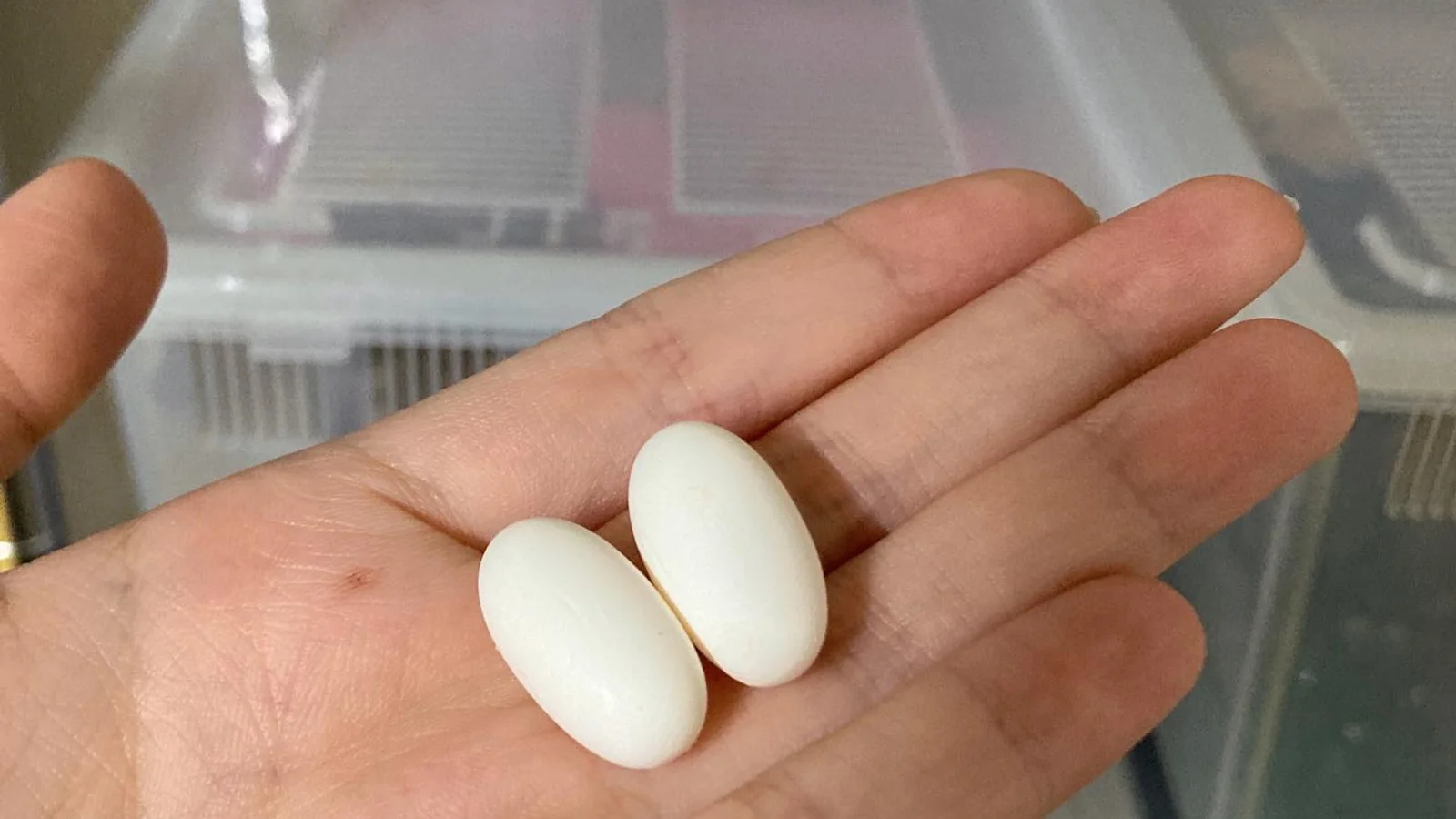
Read guideAdult female crested geckos ovulate and lay infertile eggs even without ever seeing a male. Without a damp lay box and solid nutrition, they risk fatal egg binding.
Read guideSeeing your gecko sleep upside down on bare glass with its tail flopping straight over its back? Learn what causes FTS, when pelvic twisting matters, and how to fix perches fast.
Read guideTime away and a change of address both need plans for care, transport, temperature, and settling back in.
A 48-hour weekend away and a two-week flight demand totally different safeguards. Learn how to plan hydration, pre-measured CGD cups, room heat limits, and zero-stress sitter steps.
Read guideMoving house combines live transit stress with a total room reset. Separate packing, stripped tank hardscape, climate-controlled passenger-cabin travel, and fresh heat logs prevent tragic mistakes.
Read guideOpened the enclosure and found it empty? Pause before tearing the room apart. Use arboreal search habits after dark, safe food lures, and lock down the exact gaps geckos slip through.
Read guide