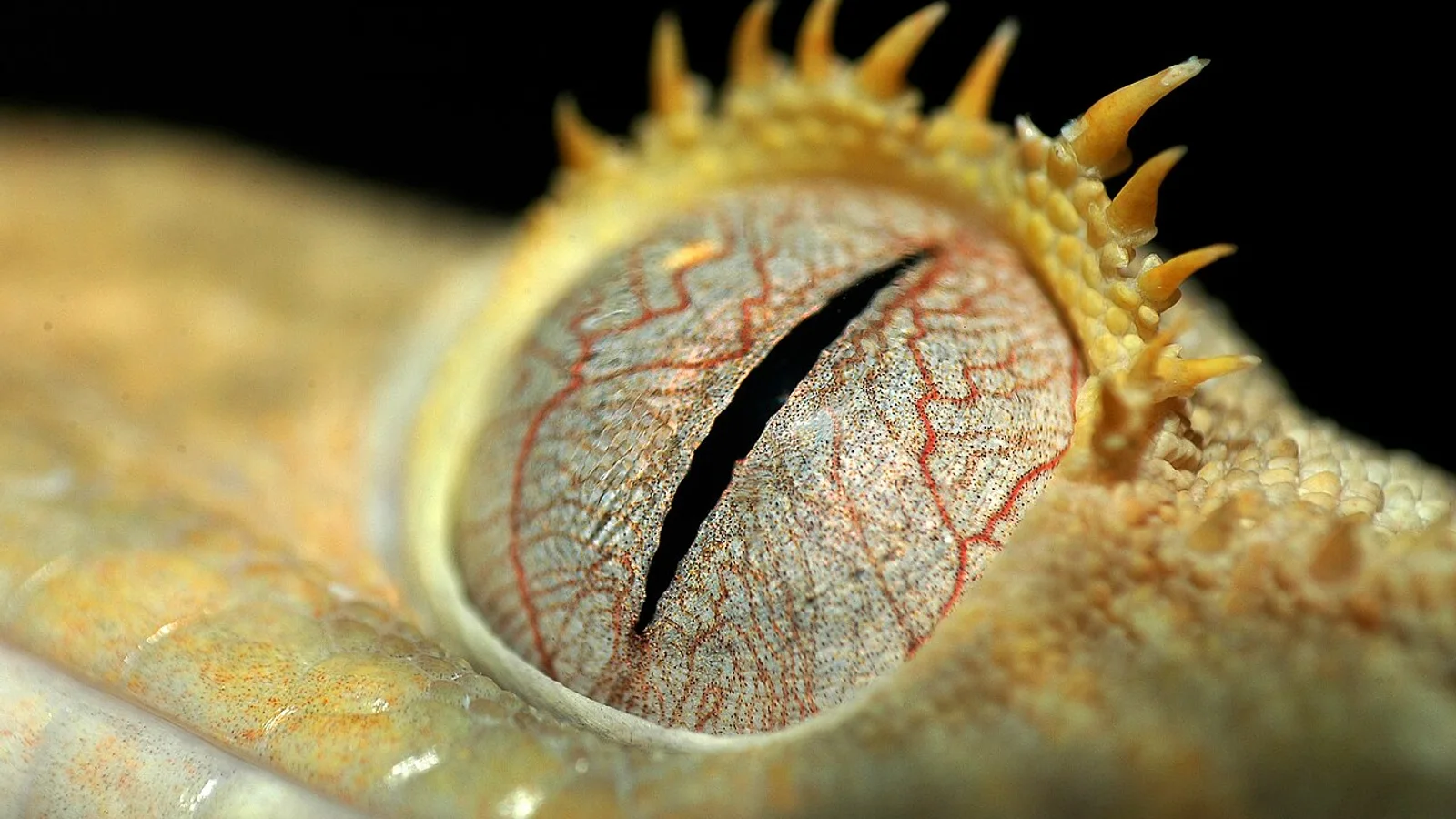
Unlike cats or dogs, crested geckos never whine when aching or approach you asking for help. As small forest prey animals, their instinct is to hide weakness until internal reserves run empty. When an owner says “it looked totally fine two days ago,” quiet clues—steady gram loss, altered sleep spots, retained toe skin, or foul droppings—had usually been building for weeks.
Good triage hinges on severity, persistence, and whether multiple symptoms overlap.
Common Health Issues: Triage and First Response
| Condition | Visible Signs | Root Causes | Urgency & Best First Action |
|---|---|---|---|
| Heat Stress / Overheating | Prolonged 29–30°C+ (84–86°F+) stagnant heat, open-mouth panting, limp limbs, rolling (brief mild dips near 28°C with airflow are not instant collapse) | Uncooled tropical oven room, direct sun on glass, hot unvented car | CRITICAL EMERGENCY: Move at once to a shaded, cool room over room-temp (20–26°C) damp paper towels (never ice water) and contact an exotic vet |
| Respiratory Infection (RI) | Wet clicks/whistles on resting breaths, nasal bubbles, open-mouth gaping, ropy mucus | Constant damp air lacking a 40%–65% midday dry-out, ultrasonic foggers, chilling damp cold | EXOTIC VET REQUIRED: Move to a dry, well-ventilated paper-towel hospital tub around comfortable room warmth (24–26°C) and book antibiotics—no human cold meds |
| Metabolic Bone Disease (MBD) | Empty chalk sacs, rubbery lower jaw, bowed legs, wavy spine, toe tremors | Homemade fruit puree, un-supplemented crickets, repeated egg-laying depletion | EXOTIC VET REQUIRED: Veterinary liquid calcium plus immediate correction to Pangea / Repashy CGD and Repashy SuperCal MeD-dusted crickets |
| Acute Dehydration | Sunken eyes, slow skin-pinch rebound, dry dark-yellow urates, dull lethargy | AC dry air without a ledge water cup, chronic diarrhea, prolonged anorexia | MODERATE TO URGENT: Rest 10–15 min inside a room-temp (20–26°C) damp paper-towel sauna box with shallow water; seek vet subcutaneous fluids if limp |
| Retained Shed (Dysecdysis) | Pale rings of dead skin stuck on toes, tail tip, or eye rims more than 24 hours post-shed | Missed evening 75%–85% mist peak or zero rough cork bark rubbing surfaces | HOME CHECK FIRST: Give a 10–15 min room-temperature (20–26°C) damp paper-towel sauna, then gently roll with a moist cotton swab; vet if toes look dark/swollen |
| Floppy Tail Syndrome (FTS) | Tail flops sharply overhead or crooked sideways while sleeping head-down on bare glass | Missing horizontal perches and 60%–80% upper foliage cover | FIX ENCLOSURE AT ONCE: Install horizontal wood bars, cork tubes, and dense canopy leaves; never breed females with twisted pelvises |
| Persistent Diarrhea / Parasites | Repeated foul-smelling liquid stool, undigested bug shells, steady weight drop despite appetite | New animal skipped 30–60 day quarantine or dirty live feeders | VET FECAL SCREEN: Collect fresh droppings (under 24 hours old, chilled at 4°C, never frozen) for veterinary microscopy / PCR |
| Egg-Binding (Dystocia) | Gravid female scratching relentlessly for more than 48 hours without laying, distended belly, weak hind legs | Dry/missing lay box, low calcium weakening muscle contractions, oversized egg | CRITICAL EMERGENCY: Immediate exotic vet X-rays; never squeeze the belly at home |
Safe 10–15 minute sauna cup protocol for dehydration or stuck toe shed: air-vented cup lined with damp room-temperature (20–26°C) paper towel—never warm baths hot to human fingers.
Three Dangerous Home Mistakes to Avoid
- No Warm Baths Above 26–28°C (79–82°F): Water that feels comfortably warm to a 37°C human finger (
35–40°C) scalds and heat-stresses a crested gecko quickly. Always prepare hydration or shed sauna tubs using room-temperature20–26°C(68–79°F) water—cool-neutral to human touch. - Never Squeeze Bellies or Force-Feed Syringe Paste at Home: Pressing a belly can rupture thin eggs or fragile viscera; forcing paste with a syringe often triggers fatal aspiration pneumonia unless specifically taught by your vet.
- Never Stir Extra Calcium/D3 into Complete CGD or Apply Pain-Relief Ointments: Complete staples (Pangea and Repashy) already carry balanced mineral ratios. Human topical pain relievers (lidocaine/benzocaine) and guessed oral antibiotics poison small geckos rapidly.
4 Items That Make Any Exotic Vet Visit Faster
- Fresh Fecal Sample (Under 24 Hours Old): Bagged with a corner of slightly damp paper towel and chilled at 4°C—never frozen.
- Gram Weight & Climate Log: Peak vs. current weights plus upper/lower probe temperatures, humidity cycles, CGD brand, and lighting specs.
- Full Enclosure Photos: One front wide shot showing ventilation, foliage, and lamps.
- Shaded, Cushioned Travel Cup: Ventilated cup with damp paper towel tucked inside a shaded insulated bag inside a comfortably air-conditioned car out of direct sun (keep the cabin comfortably cool rather than worrying about hitting an exact
22–25°Ctarget).