Before You Buy Your First Crested Gecko
Crested geckos are beginner-friendly, but not every room and lifestyle works. A few checks before buying will save you from constantly firefighting later.
Read guidePre-purchase prep, essential gear, picking a healthy gecko, and tracking its first month home.
Work out whether your room, schedule, budget, and local vet access can actually support a crested gecko long-term. Skip this and you will be putting out fires constantly.
Crested geckos are beginner-friendly, but not every room and lifestyle works. A few checks before buying will save you from constantly firefighting later.
Read guideEach species' “easy to keep” points to different conditions. Instead of asking what is trending, ask what your room can actually provide.
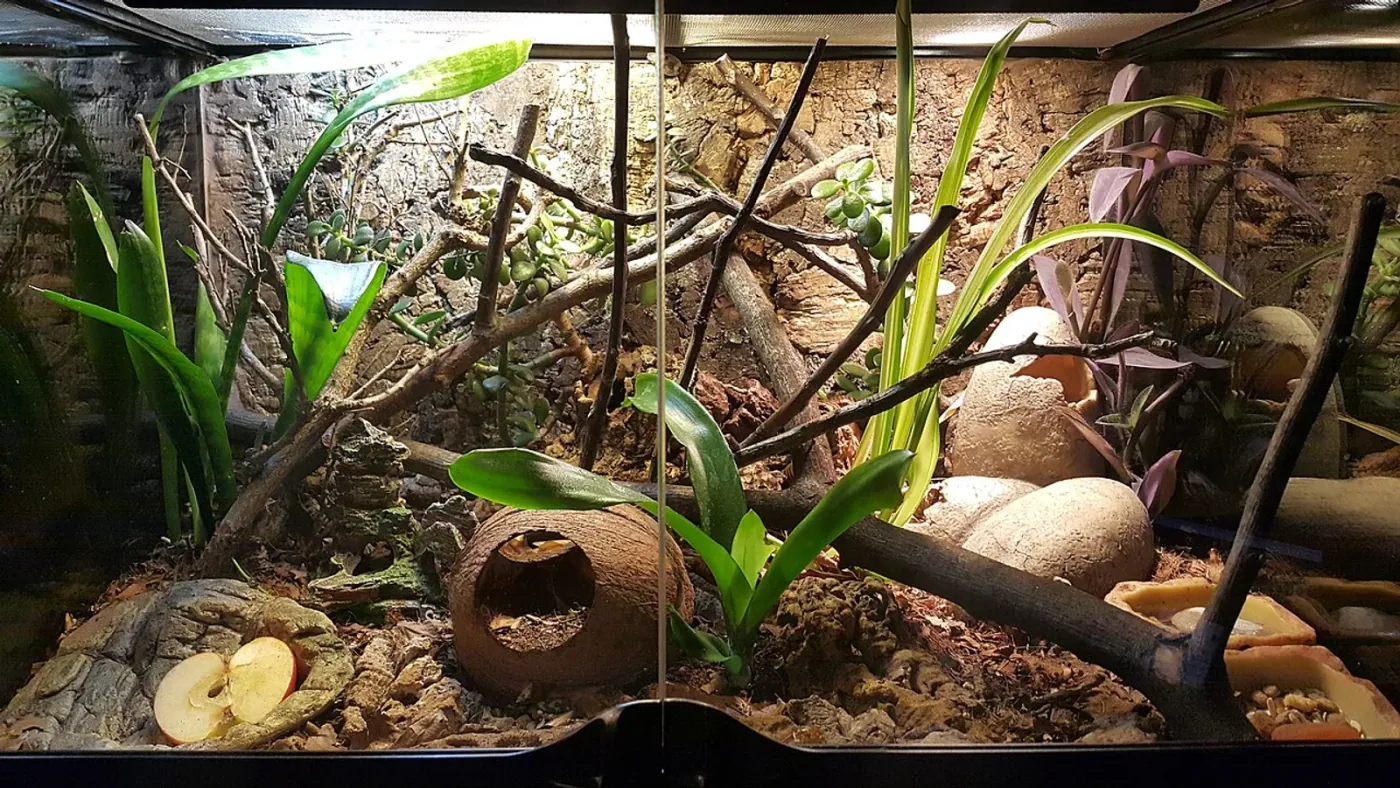
Read guideSpend first on what affects temperature, ventilation, climbing, and observation. The pretty stuff can wait.
Age, condition, feeding records, and source matter far more than colour or price.
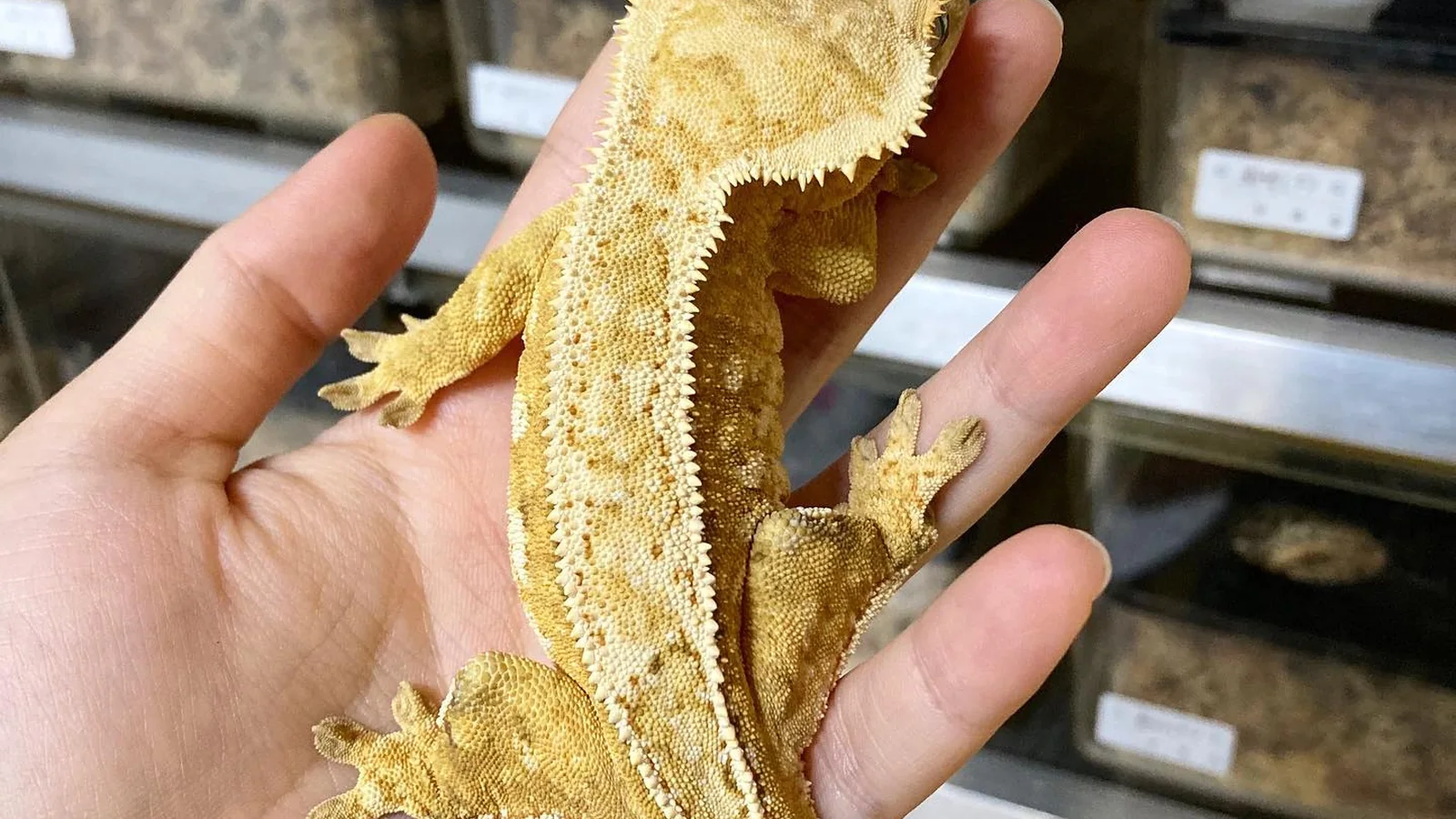
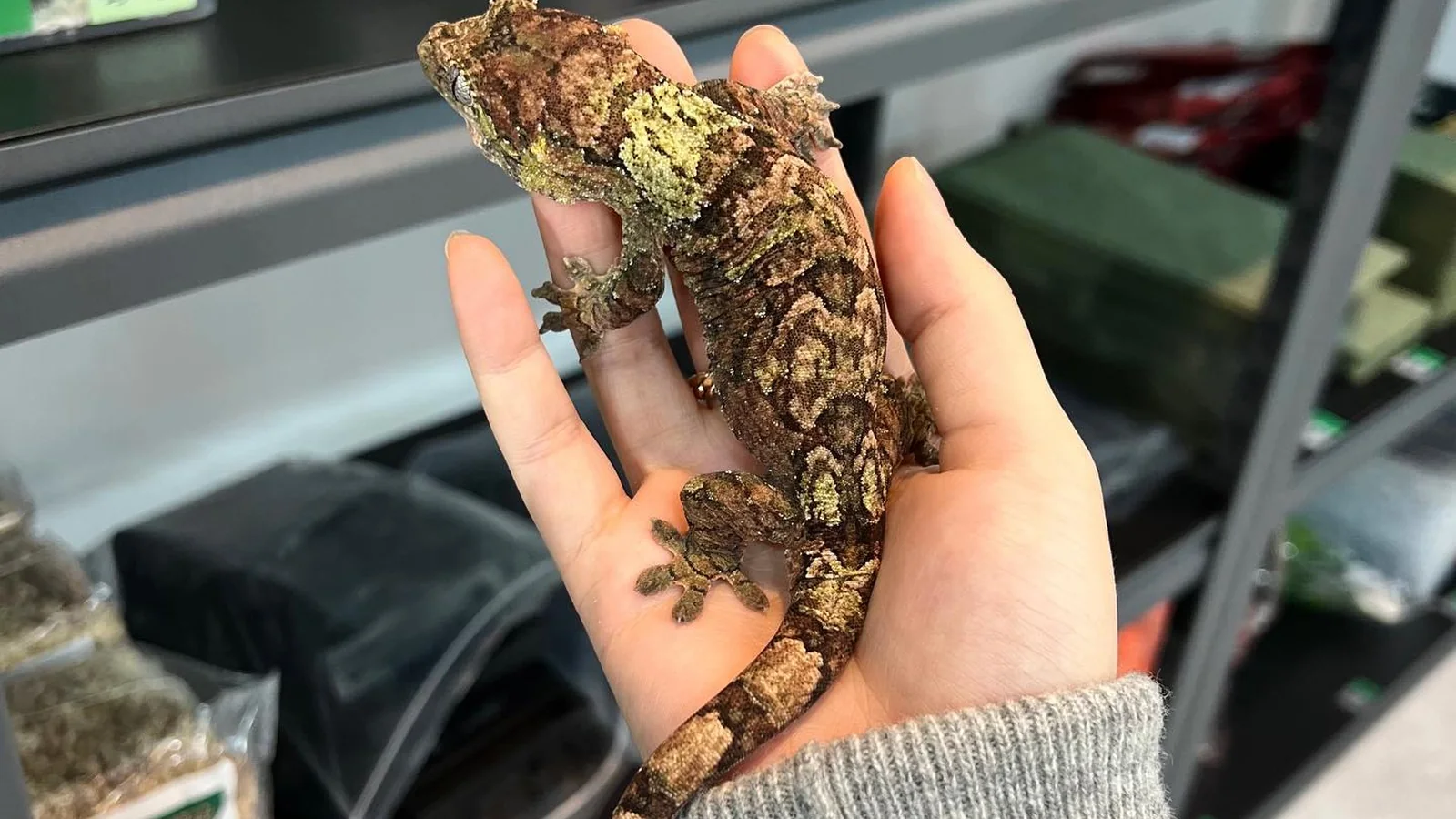
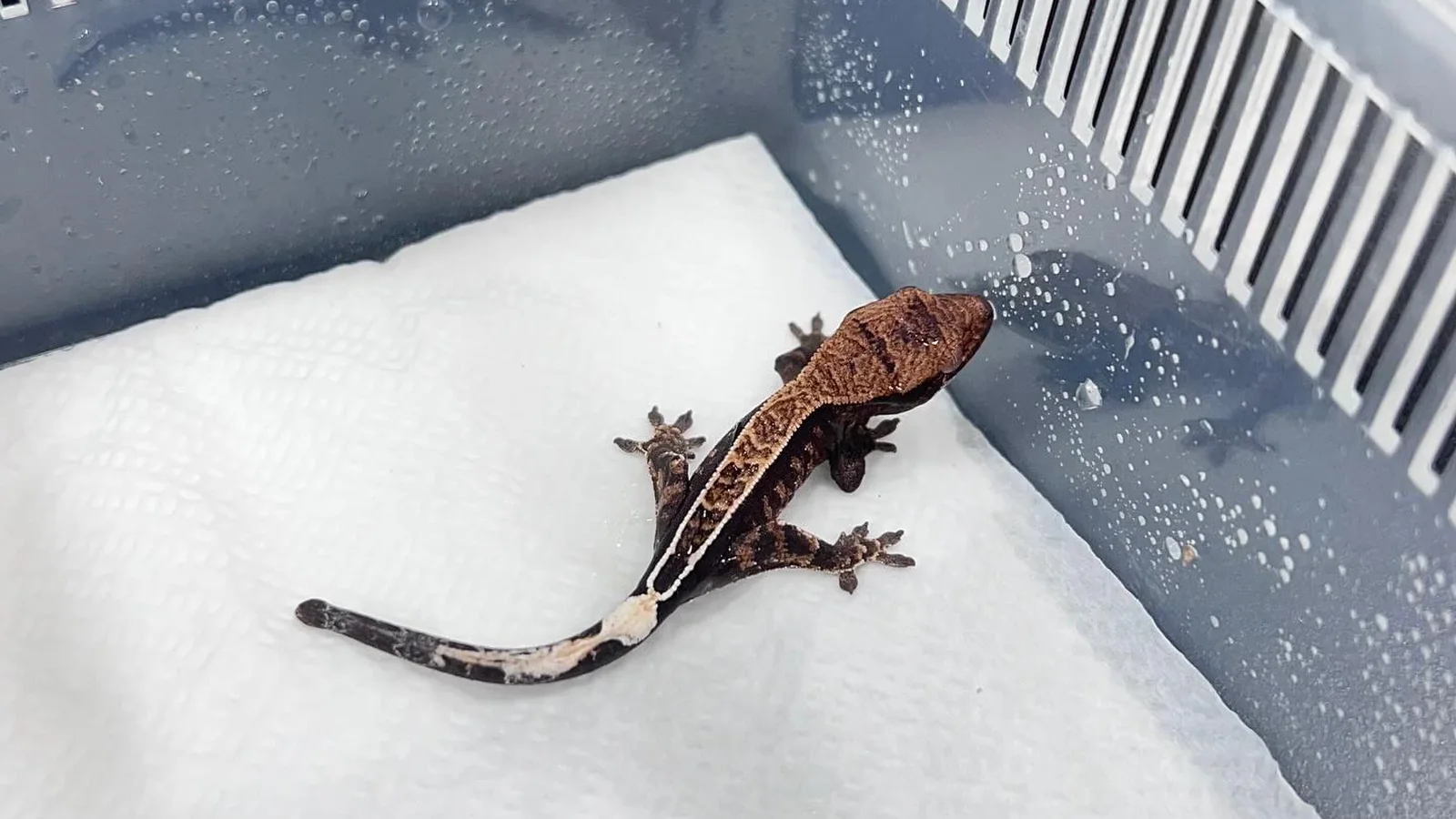
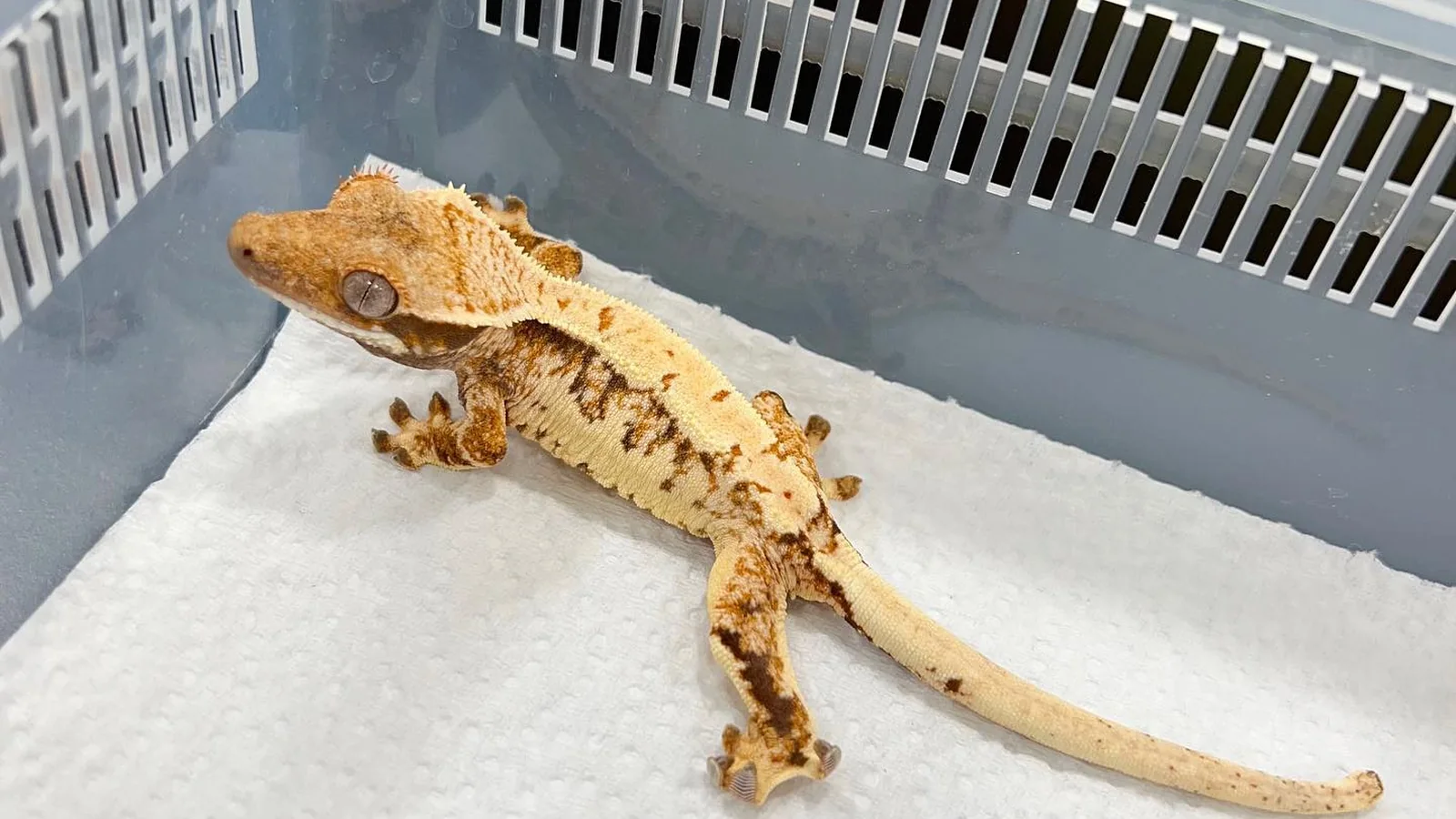
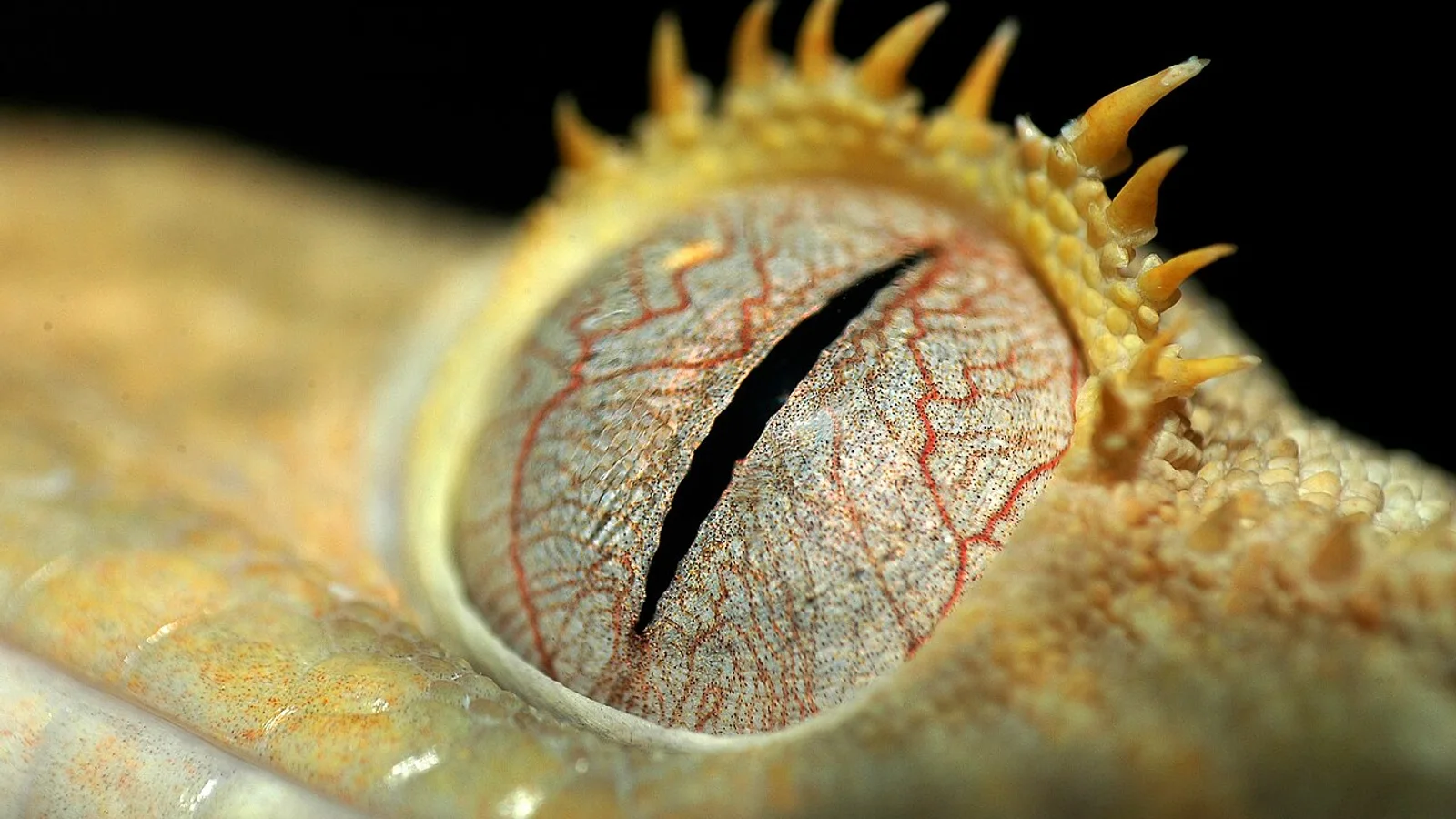
A nice photo does not cut it. Clean eyes, intact limbs, body details, and whether the seller is willing to show records — that is what protects you from a bad purchase.
Read guideJuveniles are cheaper with more choice, but many things are hard to tell. Adults cost more, but condition and sex are clearer. Which uncertainty bothers you more?
Read guideNew smells, new temperature, new food placement. Give it time. Do not handle this week.
Put weight, intake, poop, shedding, and behaviour on a timeline. Do not draw conclusions from a single day.
The first month is not about handling as soon as possible. Can the environment run, is the gecko moving, and are feeding and pooping happening? Record that and you are on track.
Read guideMost beginner problems do not come from one big blunder. They come from several “this is probably fine” habits stacking up over time.
Read guideSome changes are fine to watch for a day or two, some you should not handle yourself, and some need a vet immediately. Learn to tell the three apart.