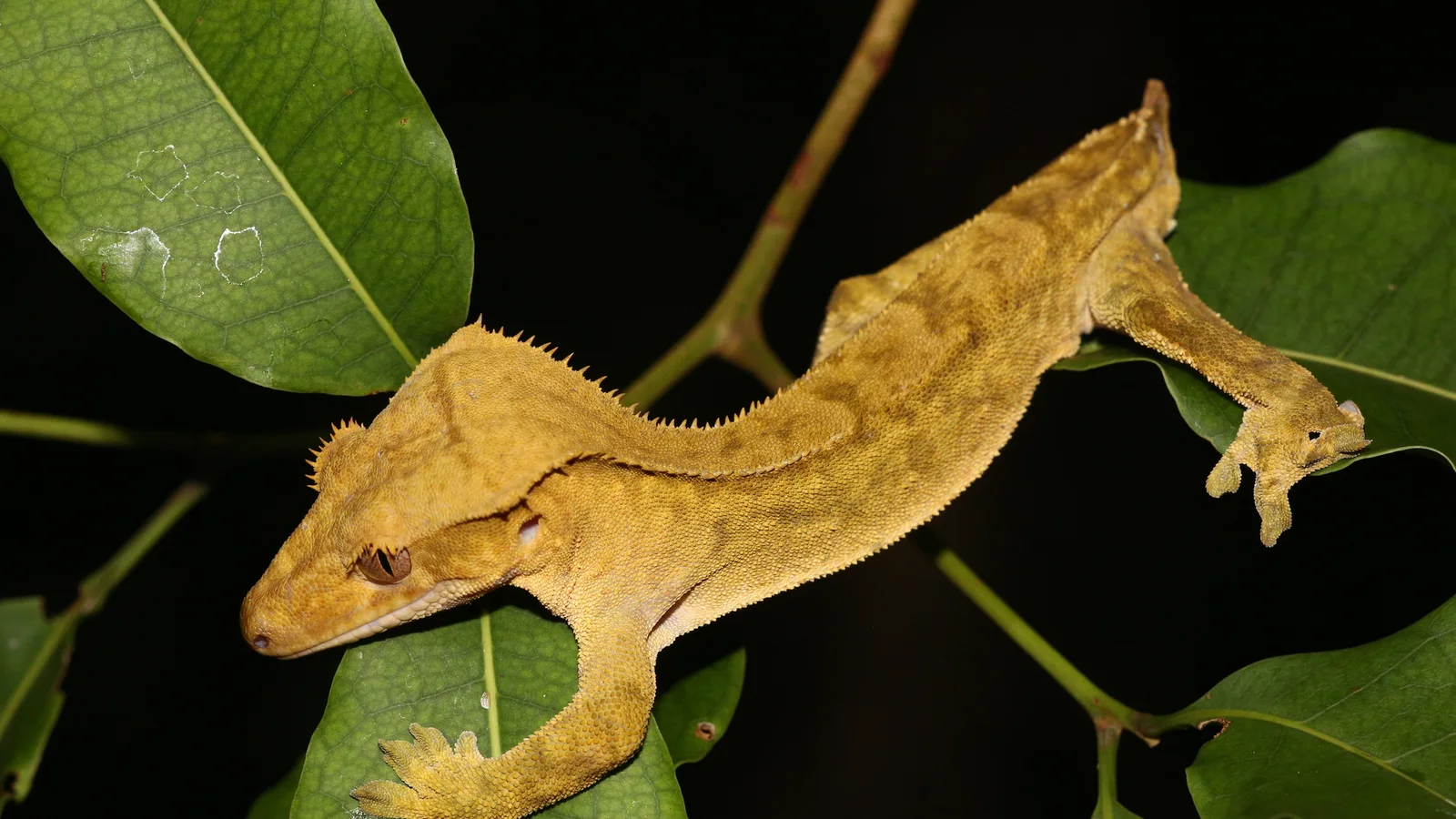
Clearing day seven and spotting your first firm dropping feels great—right up until overconfident keepers tear out paper towels, start 20-minute daily handling, and swap three CGD flavors in week three, only to trigger a sudden hunger strike or stuck shed.
Treat your pre-arrival dry run through day 30 as four unhurried steps. Adjust only one variable at a time, keep paper-towel flooring in place throughout quarantine, and lock down clear weight, shedding, and feeding data before adding complexity.
Pre-Arrival Dry Run to Day-30 Progression
| Phase | Core Objective | Key Action Steps | Pass Benchmark |
|---|---|---|---|
| Pre-Arrival (Days -3 to 0) | Prove enclosure climate runs cleanly | Set up cork, clutter, digital probes, and timer; mist once at dusk and track drying time | Daytime 20–27°C ambient range; 40–85% wet/dry cycle (75–85% mist peak drying into 40–65% by midday) |
| Week 1 (Days 1–7) | Quiet acclimation & first licks | Zero handling; exact light timing; shallow 2 mm layer of breeder’s Pangea / Repashy CGD formula | Clear tongue tracks or at least one healthy urate and dropping |
| Week 2 (Days 8–14) | Confirm digestion & insect test | Hold decor steady; around day 10–14 offer 1–2 appropriately sized live crickets (primary choice) | Predictable poops every 1–3 days; calm nighttime climbing after lights out |
| Week 3 (Days 15–21) | Baseline gram weight & short handling | Weigh on a 0.1 g scale post-poop; begin 3–5 minute evening hand-walking sessions | Steps onto open fingers without frantic panic leaping; drop off fresh stool for fecal check if multi-reptile home |
| Week 4 (Days 22–30) | First shed audit & month-end check | Inspect all 20 toes and tail tip after shedding; log second biweekly weight check | Clean shed eaten cleanly with zero toe rings; flat or rising gram trend |
Week 2: Safe Insect Testing and Calcium Dusting
Once week one delivers reliable droppings, offer an evening prey test roughly 30 minutes after lights go out:
- Follow the Space-Between-the-Eyes Limit: Keep feeder crickets (primary choice; small dubia nymphs only as secondary backup) no wider than the gap between your gecko’s eyes. Oversized bugs risk choking or regurgitation.
- Gut-Load First, Then Dust With
Repashy SuperCal MeD: Feed bugs nutritious squash, mustard greens, or commercial gut-load 24 hours ahead (skip wild-caught insects completely). Right before feeding, dust lightly in a cup usingRepashy SuperCal MeDas the standard non-UVB D3 choice (use plain calcium without D3 only if you run an optional low-level Zone 1 UVB light). - Never Leave Loose Crickets Overnight: Offer 1–2 feeders from silicone-tipped tongs or a slick escape-proof cup. Pull uneaten insects after 15 minutes—hungry crickets chew sleeping geckos’ toes and eyelids.
Week-2 live insect size benchmark: offer captive-bred crickets no wider than the space between your gecko's eyes, dusted lightly with Repashy SuperCal MeD, and remove leftovers before morning.
Week 3: Low-Stress “Choice-Based” Hand-Walking
Around day 15, if appetite and elimination are consistent, introduce brief, predictable contact:
- Approach at Dusk, Never Midday: Only interact when the gecko is already alert at night—never yank a sleeping gecko out from behind bark at noon. Hold a flat hand just ahead of its front perch and nudge lightly near a back leg so it chooses to step onto open fingers instead of getting grabbed over the shoulders.
- Stop Early Over Soft Ground: Practice hand-walking gently over a bed or low padded surface for 3 to 5 minutes, guiding the animal calmly back onto its favorite branch before restlessness sets in.
Week 4: Month-End Readiness Audit Before Any Substrate Upgrade
- Thermal & Dry-Out Proof: Verify probes stayed in the 20–27°C envelope most of the day (avoiding sustained 29–30°C+ heat) and afternoon humidity dropped cleanly into 40–65% with fresh airflow and zero sour odor.
- Input-to-Output Match: Regular cup divots every 2–3 days paired with well-formed dark droppings and clean white urates.
- Biweekly Gram Trend: Compare days 14 and 28. Growing juveniles should climb gently or hold steady; any loss reaching 10% or more calls for immediate review of temps, feeding access, or parasites.
- Fecal Screening Before Leaving Quarantine: Before graduating after a full 30–60 day paper-towel quarantine into loose coco soil or a bioactive display—especially in homes with other reptiles—chill (never freeze!) a fresh under-24-hour stool sample in a damp sealed vial for an exotic vet fecal float and smear. Two clean checkpoints set up years of trouble-free keeping.