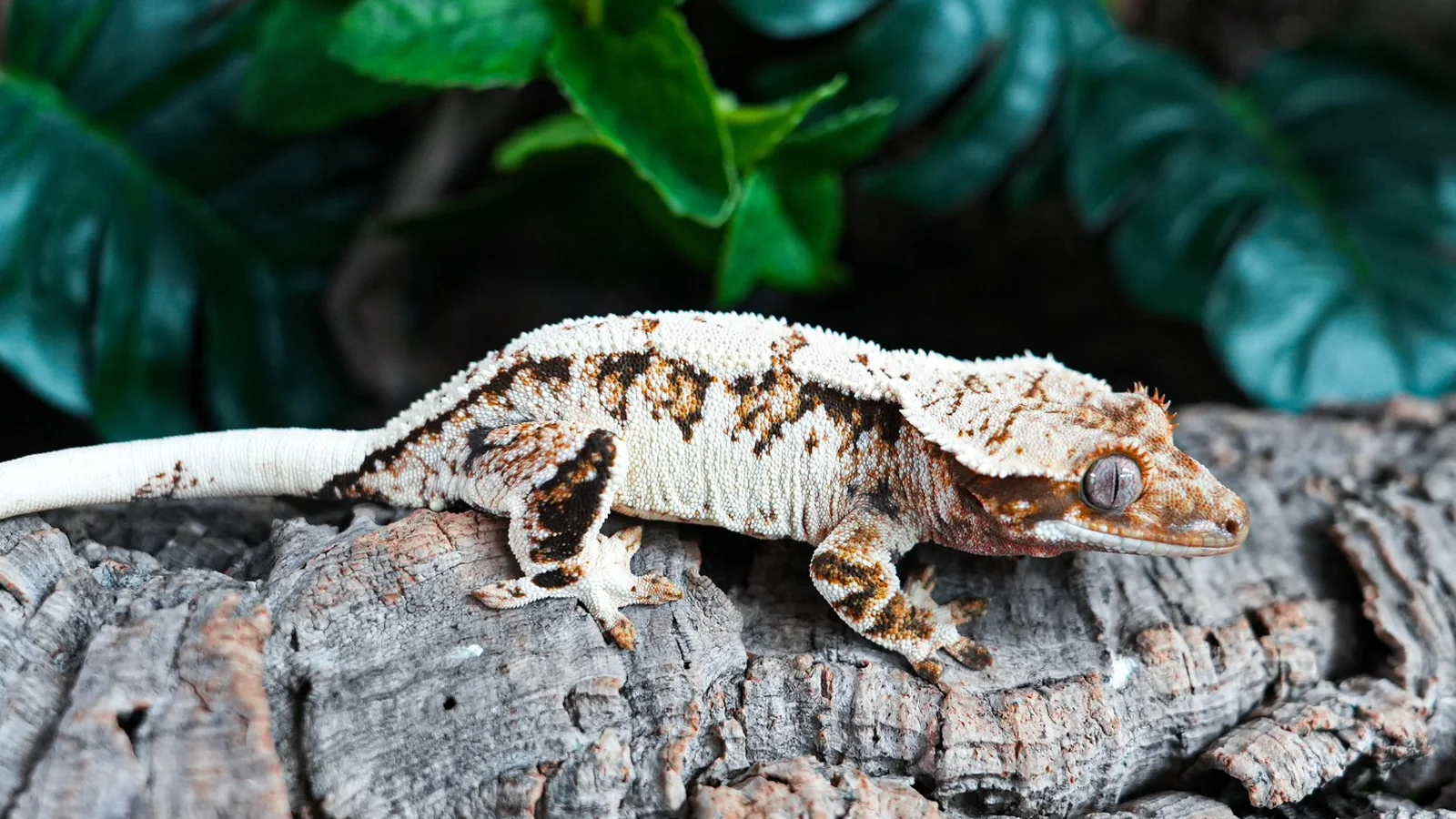
New keepers easily swing between extremes: leaving a tank unchecked until leftover CGD crusts over with mold, or prying the gecko out of its cork hide twice a day to inspect its toes and mouth—turning calm nights into stress-induced fasting.
Experienced keepers rely on a 60-second hands-off visual scan folded right into evening misting and cup changes, paired with a quick scale weigh-in every two weeks. Tracking five quiet indicators gives total peace of mind without disturbing the animal.
Hands-Off Daily Check + Biweekly Scale Routine
| Observation Window | What to Inspect | Signs of Thriving Health | Early Clues to Double-Check |
|---|---|---|---|
| 1. Daytime Sleep Spot (10-second peek) | Hide choice & spinal posture | Settled deep inside a familiar mid-to-upper cork hollow or foliage pocket; resting flat or well-braced; vertical slit pupils in room light | Hiding exposed on floor corners, sleeping upside down with tail bent 90° (FTS risk), or pacing restlessly in daylight |
| 2. Evening Wake-Up (Dusk misting) | Eye brightness & droplet licking | Opens wide round dark pupils within 15–45 minutes after lights out and misting; licks water beads off foliage calmly | Limp hours past lights out, hollowed sunken eyes, clicking breaths, or nostril mucus bubbles |
| 3. Food Dish & Dropping Cycle (Every 48h) | Tongue marks, stool form, urate cap | Crisp lick impressions in shallow CGD; solid dark-brown stool + soft snow-white urate cap every 1–3 nights | Sour watery puddles, dry orange/yellow stony urates, or over 7–10 days with no stool in regular feeding seasons |
| 4. Skin, Nostrils & All 20 Toes (Weekly wipe) | Eye clarity, toe lamellae, tail tip | Velvety dry skin; open clean nostrils; strong suction grip up clean glass; zero shed rings gripping toe tips or tail tip | Tight white skin collars pinching toes or tail tip, slipping off clean glass walls, or pink/blistered belly scales |
| 5. Muscle Tone & Scale Curve (Every 2 weeks) | Back contour, thighs, tail base, gram trend | Smooth spine with rounded thighs and tail base; steady gradual rise in juveniles and steady adult hold within ±5% | Knife-sharp raised spine, jutting hips, fine toe tremors while stepping, or exceeding 10% unexplained monthly loss |
Your Gecko’s Habit Script Spots Trouble Fastest
Settled crested geckos develop remarkably rigid personal schedules—choosing the exact same cork entrance each dawn, pausing on the same perch for evening droplets, and often picking one predictable “bathroom corner.”
Once you learn that individual script, any abrupt multi-day detour tells you to inspect enclosure sensors before grabbing the animal. A canopy sleeper suddenly camping against cool bottom glass beneath its water bowl usually points directly to afternoon heat crossing 27°C (80.5°F) or A/C airflow over-drying upper perches.
Keep a 3-Line Monthly Note on Your Phone
Skip heavy spreadsheets—pin three simple lines in a phone note so an exotic vet can read months of context in seconds:
- Biweekly Weights: Nov 1: 34.5 g | Nov 15: 35.2 g | Dec 1: 35.6 g
- Shed, CGD & Dusting Balance: Complete shed eaten Nov 8; alternating Pangea (Fig & Insect / Watermelon) and Repashy CGD; 2 gut-loaded crickets on Tuesdays (dusted lightly with Repashy SuperCal MeD Calcium+D3 by default—or plain calcium only if running optional UVB—never mixing extra powder into complete CGD)
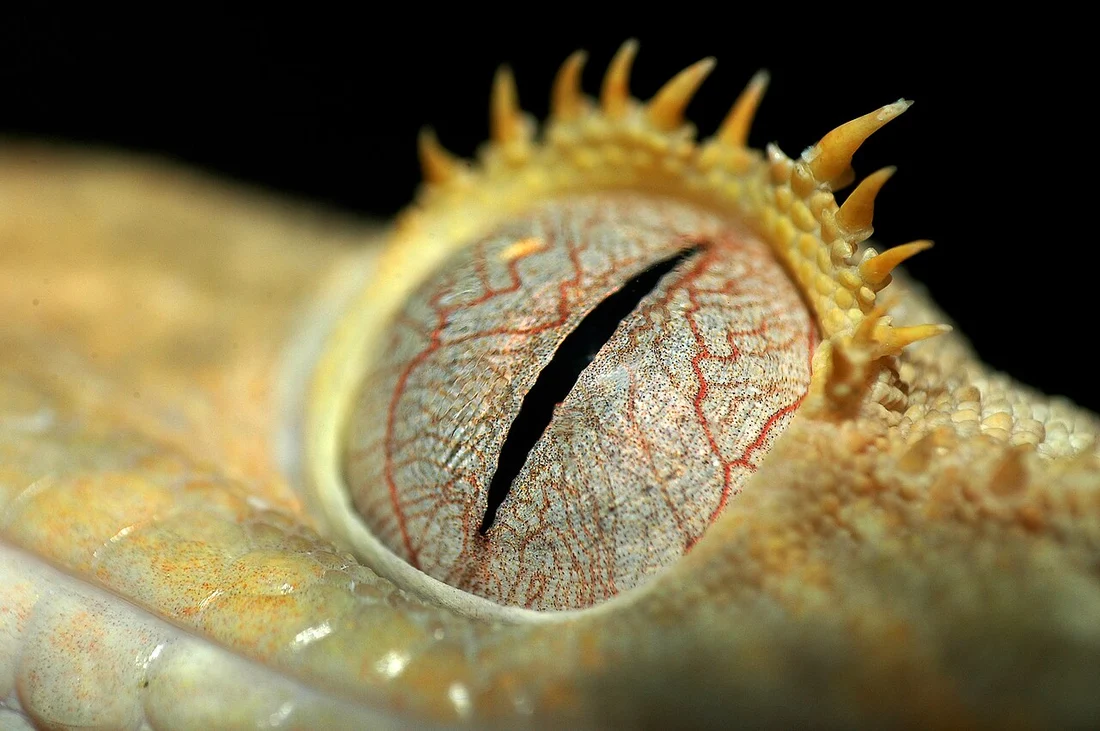
- Adult Female Check: Laid 2 infertile eggs Oct 22; box refreshed; oral chalk sacs bright white and full