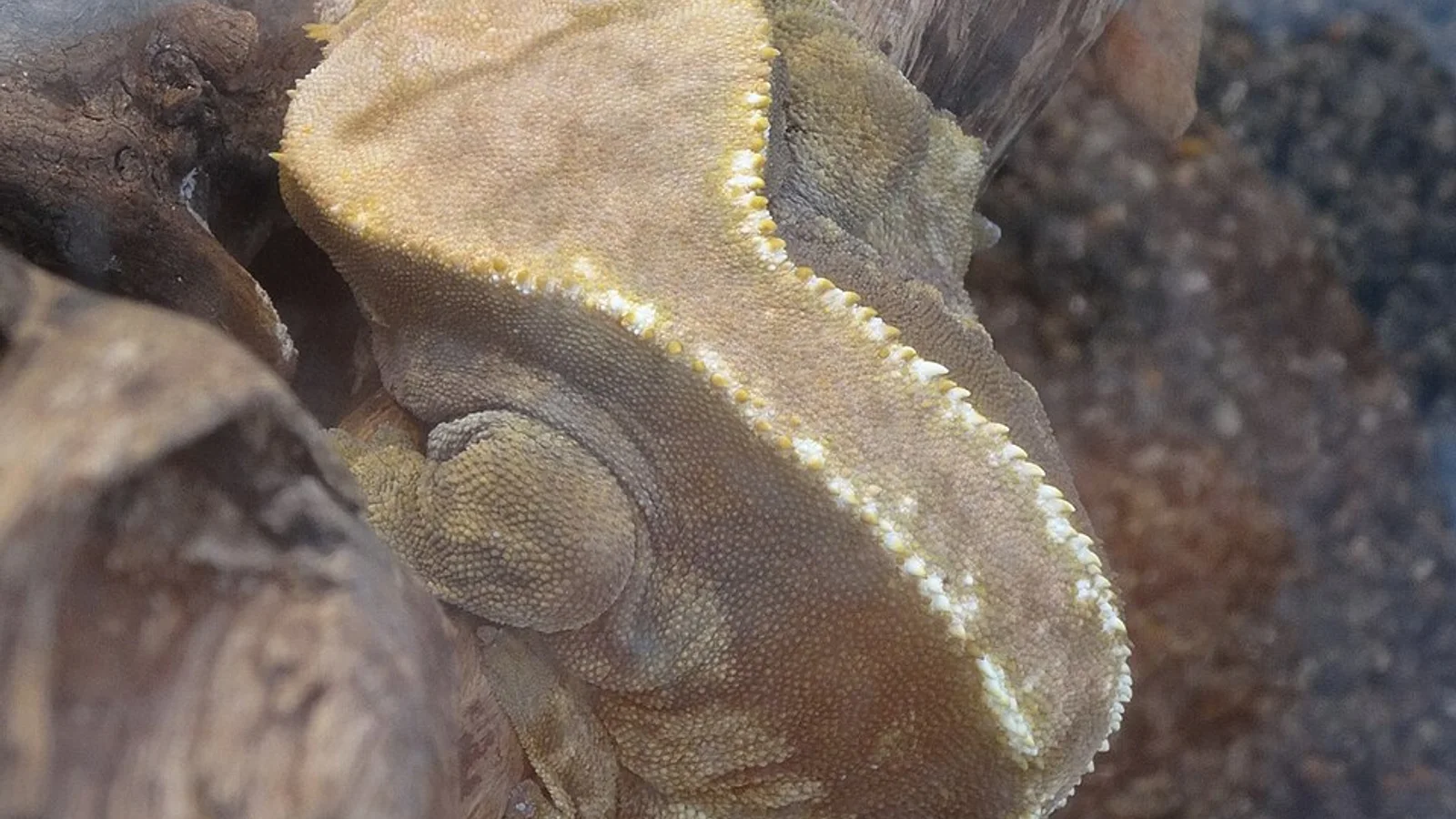
Keepers often judge reptile safety the way they judge puppies: if nothing sneezes within twenty-four hours, everything must be fine. Point out that an enclosure sits at 85% humidity without afternoon dry-down, hovers around 27.5°C (81.5°F) day and night, or lacks horizontal perches, and the reply is almost always: “Relax, I’ve kept it like this for three months and it’s still alive!”
That illusion is slow environmental decline. Because reptiles run ectothermic metabolisms at a fraction of mammalian speed, sub-optimal setups rarely kill in days—they quietly exhaust calcium, hydration, and immune reserves over months. An animal can look deceptively “fine” through month four while crashing seemingly overnight in month six.
How Borderline Flaws Drain a Gecko Month by Month
| Chronic Setup Drift | Months 1–2 (Deceptive Calm) | Months 3–5 (Silent Strain) | Month 6+ (Visible Crash) |
|---|---|---|---|
| Chronically Warm (28.5–30°C+ / 83–86°F+ day & night) | Seems energetic and still laps a little CGD | Elevated baseline metabolism burns calories faster than intake; drops 0.5–1.0 g quietly each month | Sudden heat exhaustion during an afternoon spike, refusal to eat, or organ decline |
| Stagnant High Moisture (80%–90% non-stop) | Sheds slip right off cleanly | Bacterial biofilms and fungal spores multiply behind damp cork; airway cilia stay chronically irritated | Clicking breaths, nasal bubbles, open-mouth respiratory infection, or ventral blister rot |
| Persistently Too Dry (Below 60% night peaks) | Continues moving normally at night | Kidneys concentrate fluids aggressively; urates shift from soft snow-white paste to chalky yellow stones | Sunken eyes, full-body stuck shed, blackened toe tips, or visceral gout |
| Bare Walls (Below 30% foliage, zero horizontal cork) | Hangs still on glass walls, mistaken for a “calm, friendly gecko” | Sustained corticosterone elevation dampens gut immunity; upside-down glass sleeping twists pelvic alignment | Pronounced Floppy Tail Syndrome (FTS) plus explosive coccidia/flagellate diarrhea flare-ups |
Long-term stability rests on a clear 40–85% wet/dry humidity cycle and cooler night drops—not locked heat or constant stagnant moisture.
Catching Drift in Two Weeks Instead of Six Months
Track four objective cues that shift weeks before an animal visibly weakens:
1. Biweekly 0.1 g Scale Curve
Human eyes cannot tell 36 g from 33 g—by the time hip bones jut sharply, over 20% of body mass is gone. Two consecutive biweekly weight drops (e.g., 36.2 g -> 35.0 g -> 33.6 g) prove something in temperature, hydration, or parasite load is bleeding energy, even if the gecko still jumps.
2. Urate Cap Color and Softness
Healthy hydrated droppings include a soft, bright white toothpaste-like urate cap. When urates consistently dry out into hard yellow or bright orange pebbles, dehydration has already taken hold behind the scenes.
3. Residual Shed Flecks
In a crisp 40–85% daily cycle (75–85% night mist drying into 40–65% by day), crested geckos shed cleanly in one sitting and eat the entire skin overnight. Repeated leftover scraps on toe rings, tail tips, or nostrils signal dry air spikes or missing rough cork rubbing points.
4. Sudden Floor Sleeping Spots
When a gecko that normally sleeps high behind thick canopy foliage suddenly spends days hugging cool bottom glass or tucked beneath its water bowl, inspect your digital MAX/MIN thermometer memory immediately—unnoticed afternoon heat settling above 28.5–30°C is usually pushing it downward for relief.