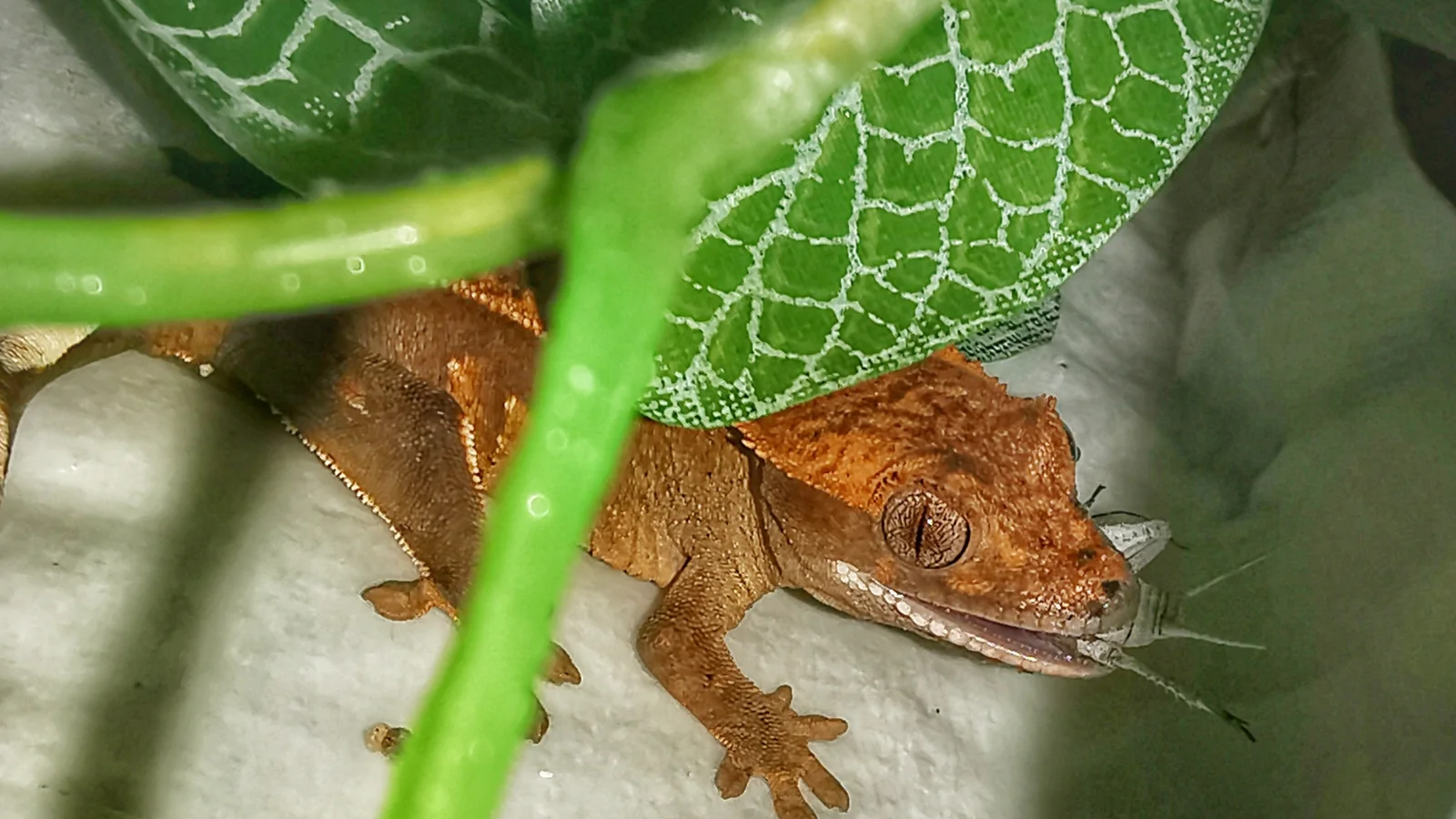
“If Complete CGD covers every vitamin and mineral, can I skip bugs forever?” Technically yes—adult crested geckos live fine on quality CGD alone—yet keepers comparing juveniles side-by-side quickly see that adding gut-loaded, calcium-dusted feeder insects once or twice weekly drives firmer leg muscles, steadier juvenile growth, and sharp nocturnal hunting instincts.
Live insects turn passive licking into mental enrichment—provided feeders stay parasite-free (never feed wild-caught outdoor bugs carrying pesticides or parasites), stay sized safely, and follow balanced calcium dusting rules.
Live Insect Tier Ranking: Crickets First, Others Secondary or Avoided
| Feeder Insect | Nutritional Profile & Digestibility | Recommendation Tier | Practical Handling Note |
|---|---|---|---|
| House / Banded Crickets (Acheta / Gryllodes) | Lean muscle protein, soft exoskeleton, natural hopping motion fires strong hunting drive | #1 Primary Choice | Top strike response and widely stocked; remove uneaten crickets within 15 minutes so hungry bugs never chew sleeping toes or eyelids |
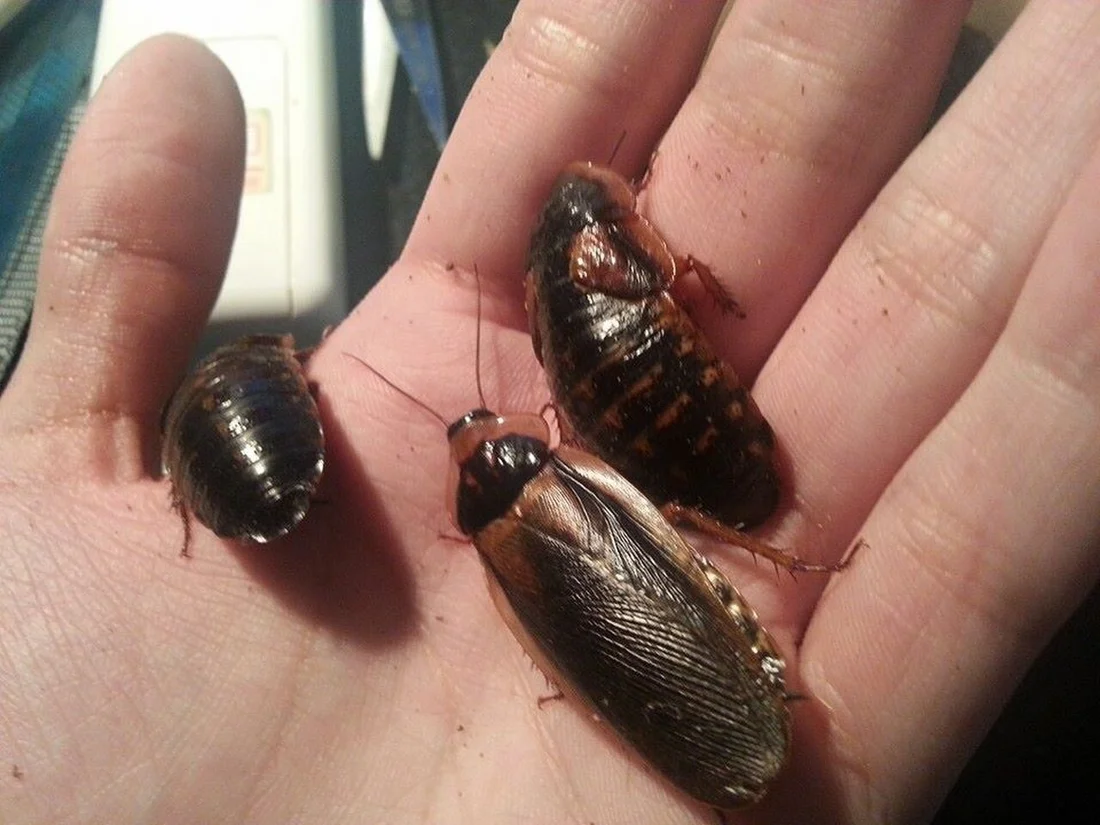
| Dubia Roaches (Blaptica dubia) | Good meat-to-shell ratio and spacious gut for gut-loading | Secondary Option | Quiet and non-jumping inside apartment tubs, though slow movement fails to entice many cresteds compared to crickets |
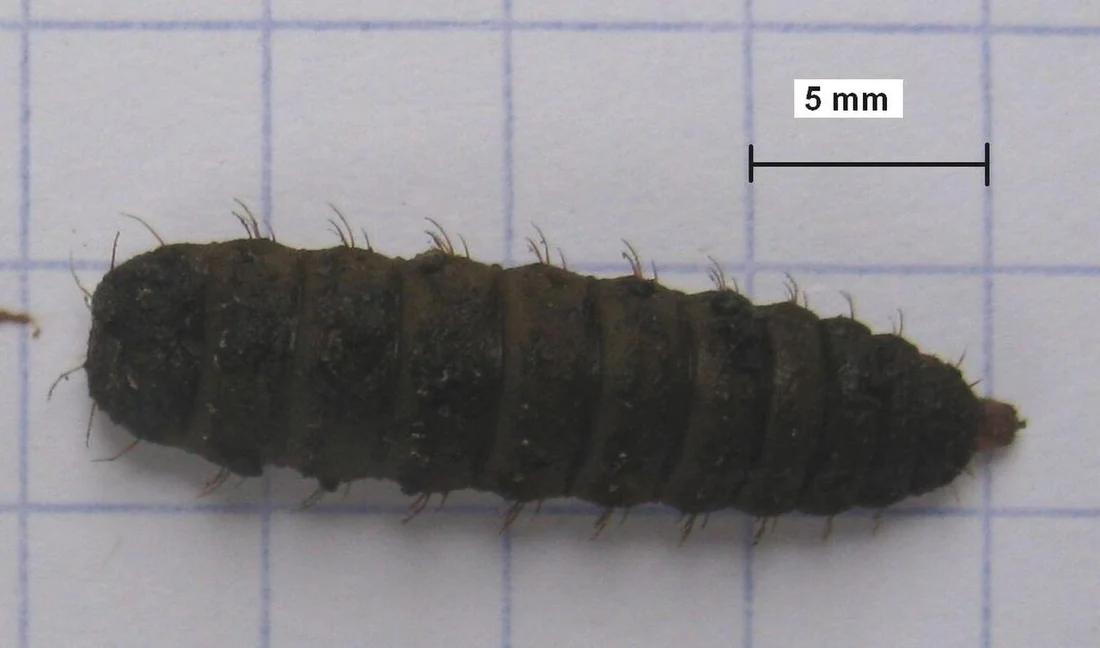
| Black Soldier Fly Larvae (BSFL) | Naturally balanced ~1.5–2:1 calcium-to-phosphorus, plump soft body | Secondary Option | Feed pale white young larvae only; tough darkened pupae frequently pass whole and undigested |
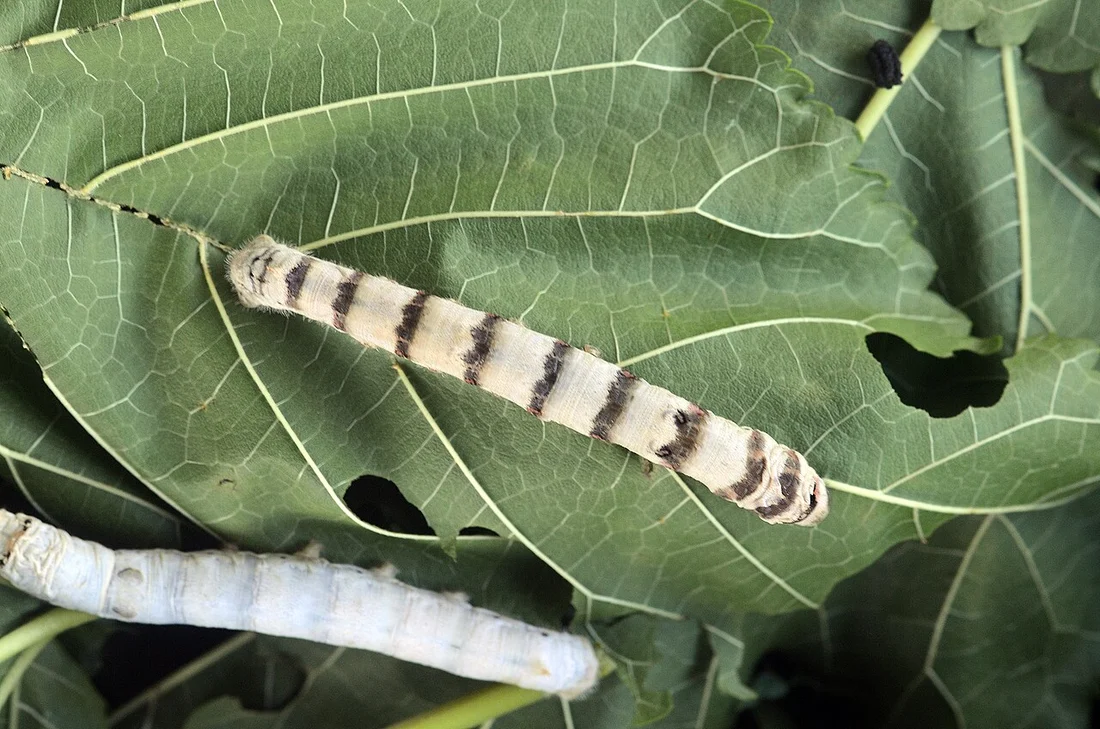
| Silkworms (Bombyx mori) | High hydration, tender flesh, minimal tough chitin | Secondary Option | Gentle treat for thin or post-lay females, though costly and short-lived in warm rooms |
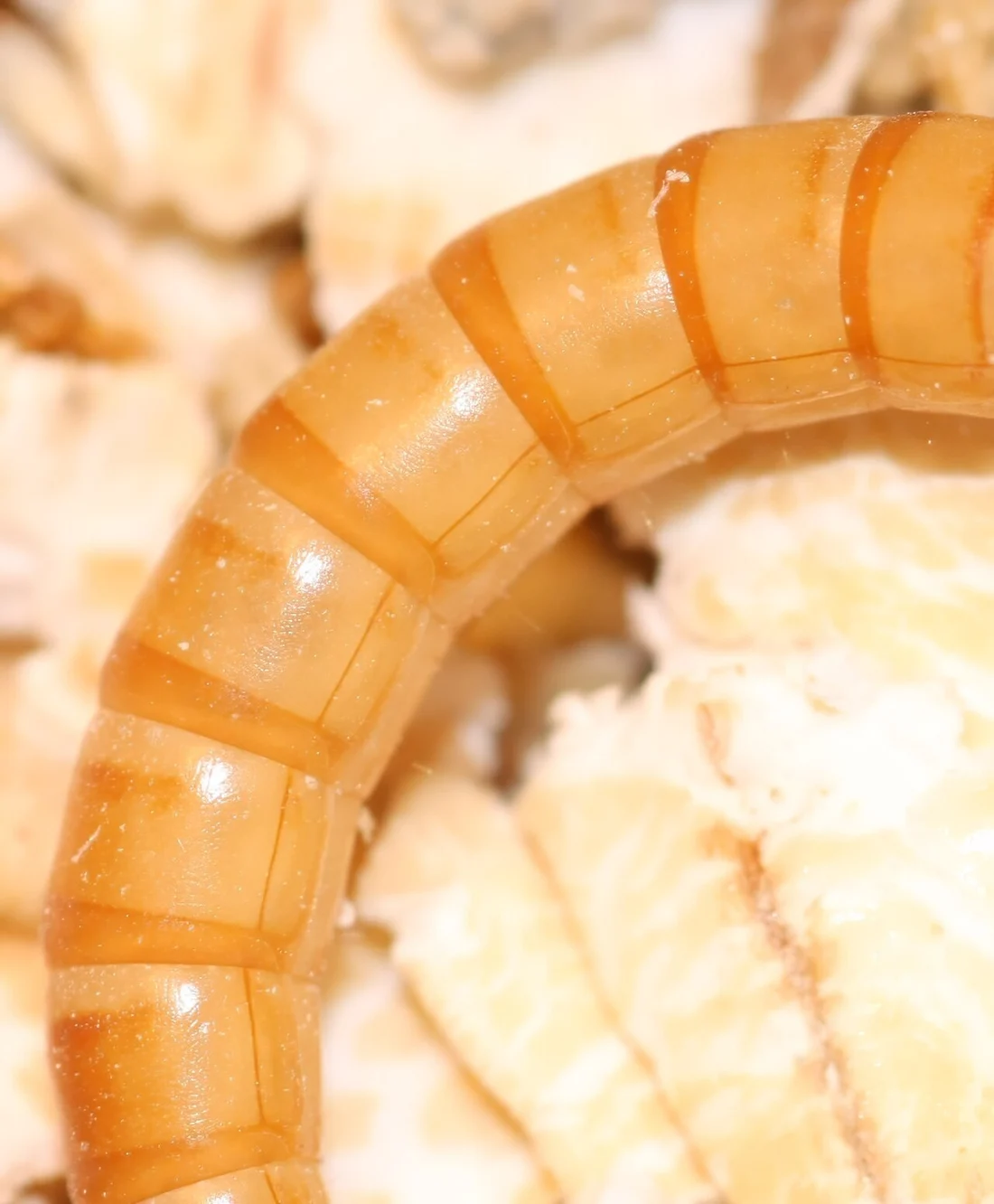
| Mealworms, Superworms, Waxworms & Wild Bugs | Tough chitin armor (mealworms/superworms); extreme fat (waxworms); pesticide/parasite danger (wild bugs) | Not Recommended | Mealworms trigger regurgitation and slow digestion; fatty waxworms spoil CGD appetite; wild insects remain strictly off-limits |
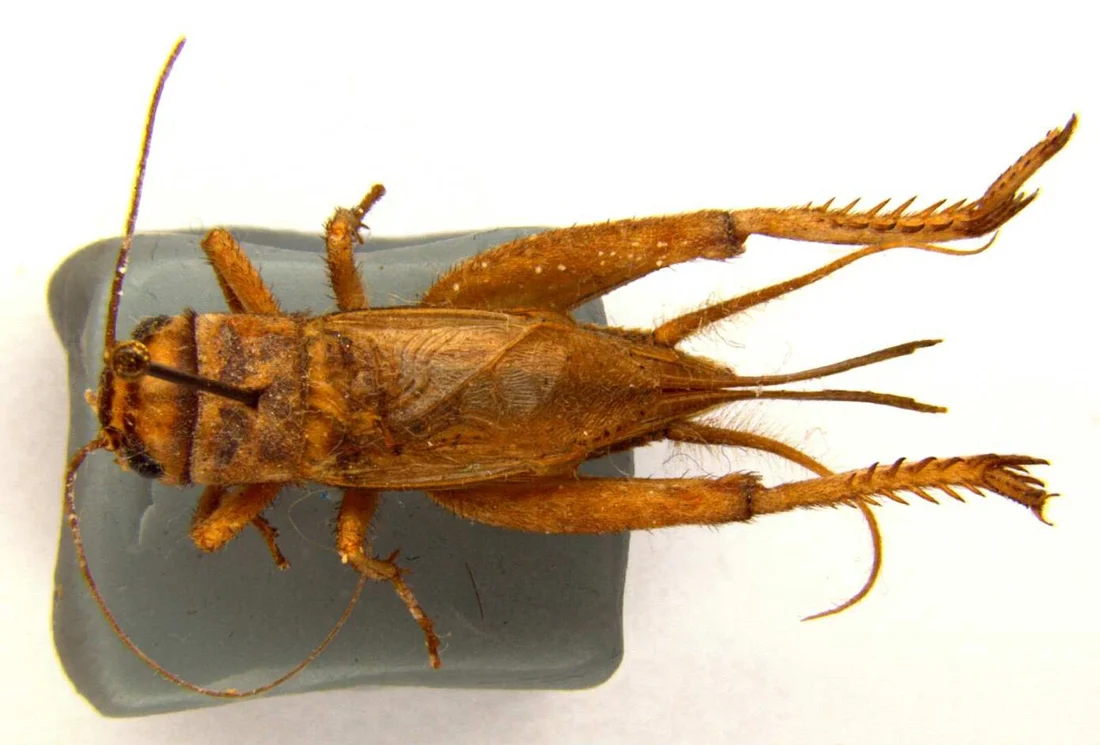
Secondary Alternatives (Quiet Backups When Crickets Are Unavailable)
Reserve these options strictly as secondary rotation or quiet backups if local cricket sizes sell out or household rules restrict hopping feeders.
5 Non-Negotiable Rules for Live Feeding
1. Keep Crickets Smaller Than the Space Between the Eyes
Use your gecko’s head as your gauge: never offer crickets wider or longer than the gap between its eyes. Oversized prey risks choking, regurgitation, or startling shy juveniles away from live food altogether.
Left: match insect width to the gap between the gecko's eyes. Right: dust insects until they wear a thin, dry white frost—never clumps.
2. Gut-Load for 12–24 Hours First
Insects straight from shipping tubs hold mostly empty chitin and high phosphorus. Feed crickets for 12 to 24 hours before lizard dinner on squash, sweet potato, carrots, dandelion or collard greens, or dedicated insect gut-load diets (skip high-oxalate spinach and dog/cat kibble).
3. Dust With Repashy SuperCal MeD Only (Plain Calcium Only With Optional UVB)
Swirl 2–4 crickets in a deli cup with just enough powder to form a faint dry frost—never cake them solid:
- Standard No-UVB Enclosure (Default Setup): Dust crickets with Repashy SuperCal MeD (25,000 IU/lb Vitamin D), rotating a gentle reptile multivitamin every 2–3 weeks (since Pangea/Repashy complete CGD already includes baseline D3, keep insect dusting thin);
- Optional Zone 1 T5 UVB Installed (
UVI 0.5–1.0): Only if you run a shade-dweller linear UVB fixture, switch cricket dusting to Plain Calcium Carbonate (no D3) and add a multivitamin every 2–3 weeks.
4. Use Soft-Tipped Tongs or Controlled Paper-Towel Hunts
Never dump crickets loose onto loose moss or coco fiber where an eager strike grabs mouthfuls of dirt. Offer dusted crickets with rubber/silicone-tipped tongs or let young geckos hunt 1–2 inside a clean paper-towel tank, removing any uneaten crickets after 15 minutes.
5. Guard Complete CGD First (2–3 Bugs per Session)
Offer juveniles (2–3 small crickets, 2–3× weekly) and adults (2–4 medium crickets once weekly) the evening after CGD night. Should a gecko ever chase crickets greedily yet boycott Pangea/Repashy CGD cups for two weeks straight, pause all insects for 2–3 weeks until normal licking returns.