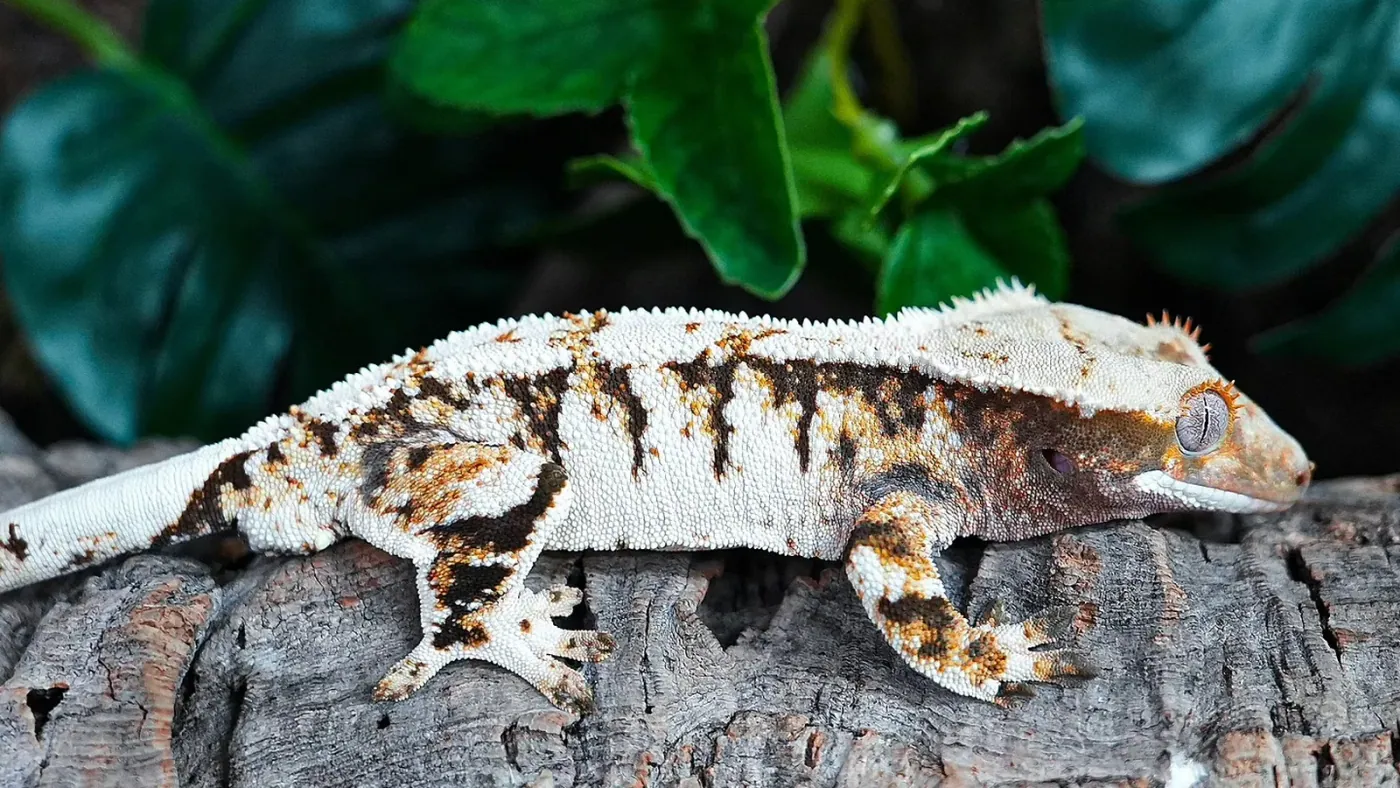
Keeping crested geckos in Malaysia, Singapore, or tropical Southeast Asia means throwing out temperate European and North American checklists built for cold winters. Taping foil over screen lids, plugging in under-tank heat mats, or soaking substrate twice a day turns a tropical terrarium into a stagnant, overheated sauna overnight.
Your tropical advantage is clear: heating lamps are rarely needed at all. Your year-round challenge is protecting the enclosure from two opposite pressures: afternoon heat creeping toward 28°C (82°F) and beyond, and monsoon ambient moisture stalling above 80% with zero dry-out.
Temperate Habits vs. Tropical Best Practice
| Husbandry Lever | Temperate Cold-Climate Advice | Malaysia / Tropics Reality | Tropical Strategy |
|---|---|---|---|
| Heat Sources | Add CHE/DHP heaters for cold winters | Ambient non-AC rooms routinely hit 29–34°C (84–93°F) | No heaters installed; prioritize cooling, shade, and keeping sustained temps out of 29–30°C+ stagnation |
| Screen Mesh & Airflow | Cover screen tops to prevent rapid drying | Outdoor humidity averages 75%–90% year-round | Keep screen tops 100% open and pair with gentle upward-exhausting USB fans |
| Misting Approach | Heavy evening soakings to hold moisture | Non-AC rooms stay damp; AC rooms strip moisture to 40%–45% | Match AC status: light droplet misting only in non-AC rooms; thorough evening spray + moist hide in AC rooms |
| Power Outage Plan | Shipping heat packs for snowstorms | Two-hour afternoon power cuts drive closed rooms over 30–31°C+ | Keep 2–4 frozen gel ice packs ready in your freezer for towel-wrapped top cooling |
Even in Malaysia or Singapore, target the same 40–85% wet/dry cycle: mist to 75–85% at dusk and let airflow return daytime humidity to 40–65%, shifting focus from winter heaters to preventing stagnant afternoon ovens.
Scenario 1: Unairconditioned Shaded Ground-Floor Rooms
If a shaded lower room stays naturally cool (24–27°C, with brief mild bumps around 28°C usually tolerated if air keeps moving) without air conditioning, monsoon moisture still stalls easily inside vertical glass cages:
- Mist Strictly for Leaf Drinking Droplets: Spray 3 to 5 fine bursts onto upper leaves and walls right at lights-out so your gecko gets clean drinking droplets, leaving the lower substrate mostly dry.
- Pull Warm Stagnant Air Upward: Rest a whisper-quiet 120mm low-RPM USB fan on top of the screen mesh set to exhaust gently upward (never blasting air straight down onto the animal). That soft chimney draw drops midday humidity cleanly into 40%–65% and starves cork mold.
- Keep an Elevated Water Cup Full: Even on rainy 85% nights when heavy misting is skipped, a shallow 1–1.5 cm water cup on the feeding ledge ensures reliable hydration.
Scenario 2: Air-Conditioned Bedrooms and High-Rise Apartments
Most city keepers rely on split-unit AC set between 23°C and 26°C, which keeps temperatures comfortable while dehumidifying room air down to 40%–45%:
- Avoid the “Workday Oven” Heat Spike: Leaving AC on overnight and switching it off all day inside a sunlit closed bedroom lets indoor temperatures bake to 30–32°C+ (86–90°F) while you are out. Put a digital thermometer with a 24-hour MIN/MAX memory inside the tank. A brief daytime touch near 28°C is not an automatic emergency if airflow is moving, but if MAX scores repeatedly climb into 29–30°C or higher, install heavy blackout thermal curtains or schedule midday AC cooling cycles at 26–27°C (roughly 1:00 PM–4:30 PM).
- Keep Cages Out of Direct AC Blasts: Freezing drafts aimed straight at
30×30×45 cmor smaller boxes cause sharp temperature swings and premature drying. Place tanks off to the side or mount an AC deflector baffle. - Counter Dry AC Air at Night: Mist leaves thoroughly at dusk, consider a slightly deeper moisture layer in adult tanks, and give juveniles on paper towels a small humid hide filled with damp moss so shedding toes stay clean.
Tropical Outage and Regional Haze Checklist
- Blackout Emergency Cooling: If electricity fails on a 33°C afternoon, wrap a frozen hard ice pack in two thick layers of dry towel (absorbing condensation so freezing drips do not hit the gecko) and rest it across one half of the top metal screen. Dense cool air sinks gently into the upper canopy, trimming 2–4°C safely. Never soak or rinse an overheated gecko in cold or ice water, as sudden thermal shock can kill rapidly.
- Seasonal Haze (PSI / API Spikes): During heavy smoke haze, shut exterior windows and run a clean HEPA air purifier without ozone generators or scented ionizers in the room, changing ledge drinking water daily.