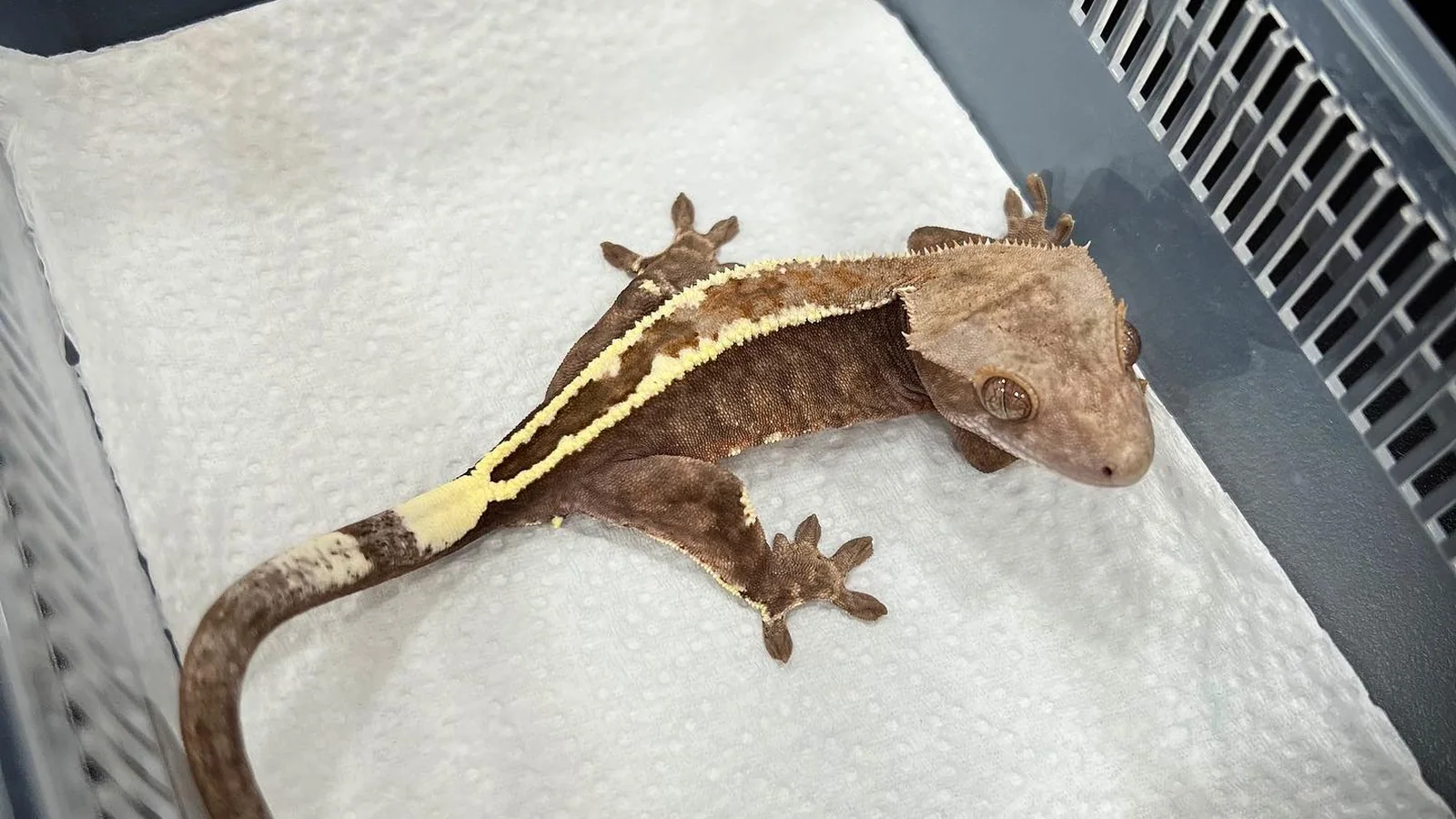
Accidents happen even to vigilant keepers: a gecko dashes right as a glass door closes, an unanchored cork branch shifts overnight, a cat slips into the reptile room, or a pink mass of internal tissue protrudes from the vent after straining (a prolapse).
In the window before an exotic vet exam, calm containment on clean paper towels protects injured tissue, while home “fixes” like alcohol rinses, pain-relief creams, homemade splints, or icy shock baths often do permanent harm.
Pre-Vet First-Aid Reference for 5 Acute Injuries
| Emergency | What You See | Immediate Safe Action | What You Must NEVER Do |
|---|---|---|---|
| 1. Cloacal or Hemipenal Prolapse | Moist pink or deep-red tissue sticking out from the vent after pooping, laying, or mating | Keep tissue wet every minute! Move into a smooth tub lined with paper towels soaked in sterile 0.9% saline (if severely swollen en route, cool thick white sugar-water compresses can shrink edema per vet advice) and head straight to an emergency exotic clinic | Never place on dry paper towels or soil (dried tissue dies rapidly); never jam swollen tissue back inside with dry fingers or swabs |
| 2. Shallow Cut, Scrape, or Bite | Surface tear or minor bleeding from sharp decor or an altercation | Flush debris away gently with sterile 0.9% saline; apply light gauze pressure for 1–2 minutes; dab povidone-iodine diluted 1:10 in saline to weak iced-tea color (or F10 germicidal barrier ointment) and isolate on paper towels | Never pour rubbing alcohol or hydrogen peroxide into raw flesh—both burn delicate healing cells and cause acute pain |
| 3. Cat Scratch or Bite | Any tooth or claw contact, even a tiny spotless pinprick | Rinse immediately with sterile saline and book an exotic vet visit within 12–24 hours for systemic antibiotics | Never “watch and wait”—cat saliva transmits Pasteurella bacteria that can kill small reptiles through sepsis within 48 hours |
| 4. Suspected Limb Fracture or Spine Fall | Bent/swollen limb, limp dragging hind legs, inability to grip perches | Restrict movement at once inside a low, flat hospital tub padded with damp paper towels and zero tall branches so it cannot climb and drop again; drive flat to X-rays | Never try DIY home splinting with toothpicks or tape, which fractures tiny delicate bones further; never force-feed paste via syringe |
5. Acute Heat Stroke (29–30°C+ / 84–86°F+ Stagnant Heat) | Open-mouth panting, flaccid limbs, rolling or disorientation | Carry immediately into a shaded air-conditioned room (comfortable 20–26°C / 68–79°F) onto damp room-temperature paper towels for gradual core cooling, then consult a vet | Never drop an overheated lizard into ice water or directly onto freezer packs—abrupt vasoconstriction can arrest the heart |
Pre-Vet Hospital Box 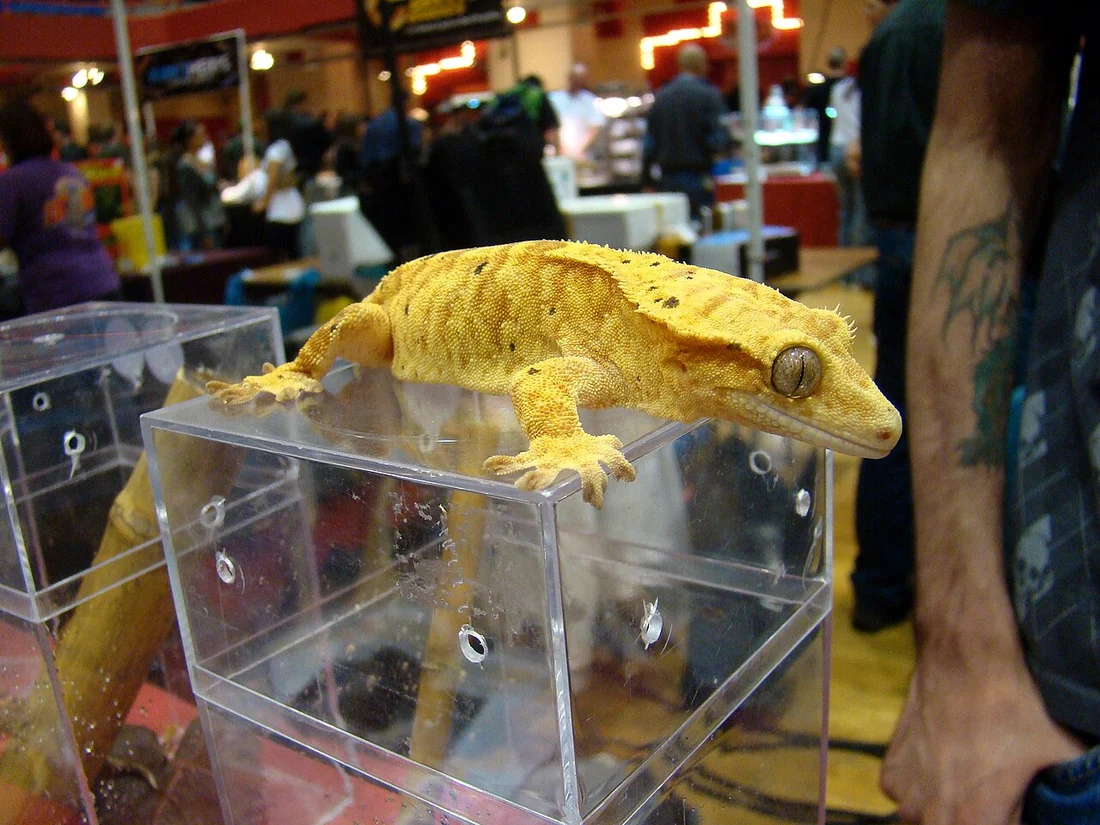
What Belongs in a Safe Gecko First-Aid Kit (and What Stays Out)
4 Worthwhile Supplies to Keep Ready
- Single-Use 0.9% Sterile Saline Pods: Cheap pharmacy saline pods cleanly flush grit from eyes, clean fresh wounds, and keep exposed prolapses wet without additives.
- Alcohol-Free Povidone-Iodine (Betadine): Always dilute roughly 1:10 with saline down to a faint amber tea tint before touching superficial skin scrapes (keep out of eyes and vents).
- Plain White Granulated Sugar: Mixing plain sugar in cool sterile water forms a gentle hypertonic paste that pulls fluid out of acutely swollen prolapses while you travel to the clinic.
- A Low-Profile Ventilated Hospital Tub & Unbleached Paper Towels: Zero climbing hazards, zero loose soil contamination.
Household Medicines That Can Kill Small Geckos
- Topical Ointments Marked “Plus Pain Relief”: Triple-antibiotic creams containing lidocaine, benzocaine, or pramoxine carry rapid neurotoxic and cardiotoxic risk to a 35-gram reptile. (Only plain, pain-reliever-free triple antibiotic ointment, silver sulfadiazine, or veterinary F10 barrier cream belongs near clean minor wounds).
- Tea Tree Oil, Essential Oils, Camphor Balms, Pine Cleaners, and Phenolic Disinfectants (Dettol/Lysol): Absorb quickly across thin belly skin and cause acute organ failure.