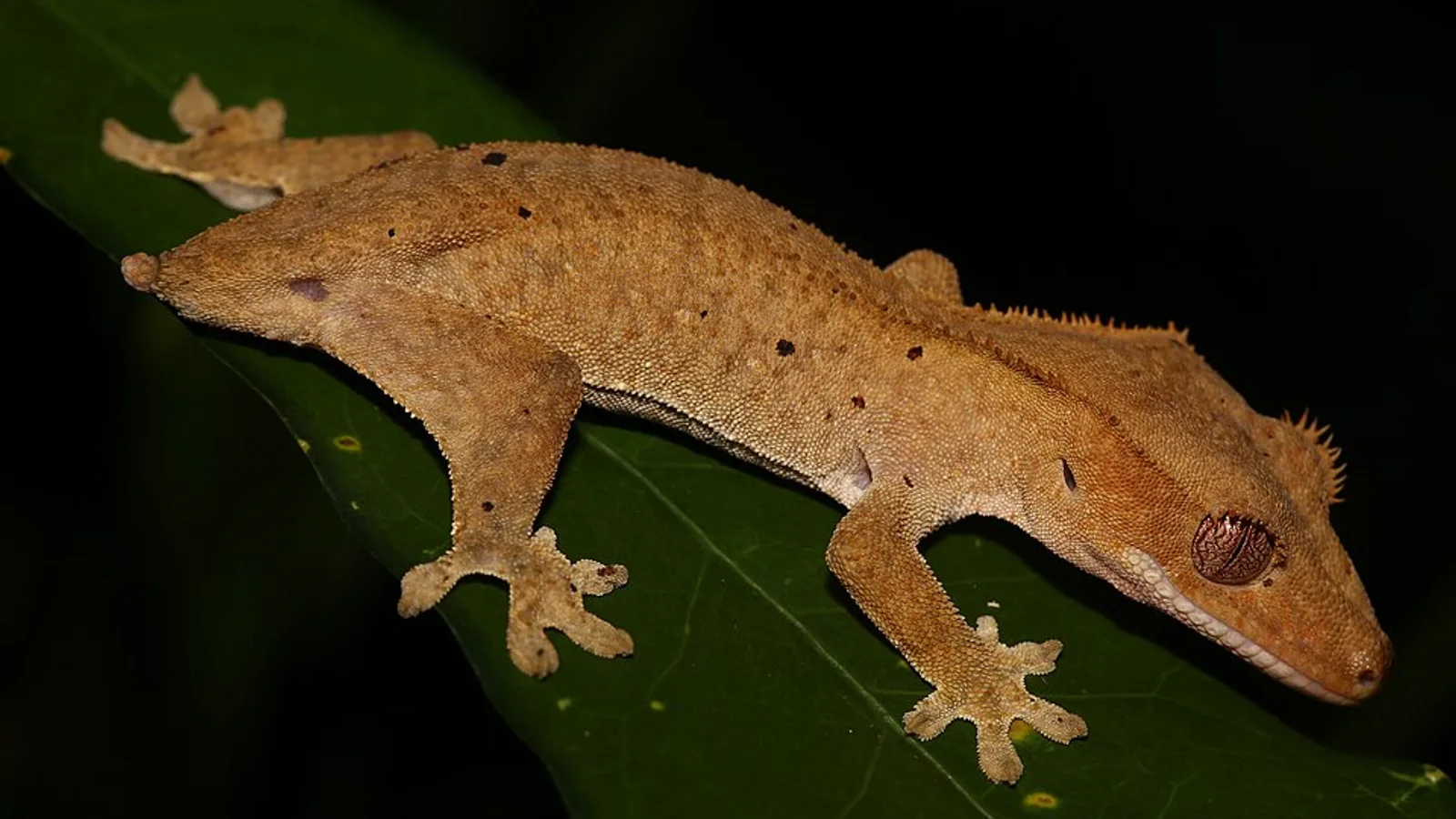
Almost every keeper with a new digital scale asks the same worried question: “My gecko is six months old and only weighs 8.5 grams—someone online says theirs was 18 grams at six months! Is mine stunted?”
Toss rigid internet age-to-weight charts out the window. Ectothermic reptiles grow at vastly different paces depending on heat, cricket intake, and bloodlines. One juvenile eating gut-loaded crickets twice weekly at 25°C may cross 20 grams by month eight, while a clutchmate living at 22°C on CGD alone sits happily at 9 grams—and both mature into solid 42-gram adults by age two.
Track Body Condition Score (BCS 1–5) plus your gecko’s own biweekly scale trajectory instead of chasing someone else’s gram numbers.
Top-down body contours outscore any raw gram number: BCS 3 animals look smooth along the spine with muscular thighs and zero lateral belly rolls.
Visual Body Condition Score (BCS 1–5)
Assess dorsal contour, pelvic hip bones above the tail base, thigh muscle fullness, and flank silhouette rather than scale size alone:
| BCS Rating | Visual Signs | Metabolic Meaning | Care Adjustment |
|---|---|---|---|
| 1: Emaciated | Knife-sharp raised vertebrae and ribs; jutting pelvic bones; hollowed sunken eyes; stick-thin tail base | Critical Wasting (prolonged fasting, severe parasites, dehydration) | Immediate exotic vet exam + under-24-hour chilled fecal exam; audit temperatures and medically rehydrate |
| 2: Thin / Underweight | Faint outline of spine bones; narrower tail base; slightly sunken sides, yet clear eyes and strong toe grip | Calories trail output (recent shipping or post-clutch strain) | Verify daytime gradient includes 23–26°C; add Repashy SuperCal MeD dusted crickets 2× weekly or short Pangea Growth & Breeding cycles |
| 3: Ideal Athletic | Smooth back hiding vertebrae cleanly; rounded thighs; plump sleek tail base; agile movement | Peak Fitness (whether 8 g juvenile or 45 g adult) | Keep balanced 20–27°C, Pangea/Repashy rotation, and biweekly weighing |
| 4: Overweight | Sides bulge out when perched; soft throat fold / double chin forming; less eager to jump | Excess calories paired with tight climbing space | Spread adult CGD cups to every 3 nights with thinner portions; reduce bugs; step adults into 30×30×45 cm or 45×45×60 cm climbing volume |
| 5: Obese | Soft fat pockets bulging behind armpits; thick neck rolls; sluggish belly drag | Unhealthy Obesity (fatty liver & egg-binding hazard) | Ban waxworms completely; serve leaner fruit-forward Pangea/Repashy twice weekly alongside dense elevated climbing branches |
Three Normal Reasons Juveniles Grow at Different Speeds
As long as a juvenile looks sleek at BCS 3 with snow-white urates and formed droppings, slower scale gains trace back to three harmless factors:
- Cricket Intake: Juveniles taking Pangea/Repashy CGD plus dusted crickets (Repashy SuperCal MeD standard, or plain calcium if running optional UVB) 2× weekly often gain 1.5×–2× faster than pure-CGD geckos.
- Average Room Heat: Within safe 20–27°C, ~25°C drives brisker nightly appetite than cooler 20.5°C rooms.
- Bloodline Frame: Just like human height variations, healthy compact lines settle comfortably at 35–40 g while big heavy lines mature cleanly at 55–65 g.
Weigh Under Identical Conditions & Watch the 10% Red Flag
Weigh in a tared ventilated cup on a 0.1 g scale every 14 days at roughly the same evening hour after stool clearing—remember one heavy poop or twin egg clutch drops 2 to 5 grams overnight.
Outside normal egg-laying, treat losing 10% or more from typical settled weight within 2–4 weeks (or a juvenile failing to gain weight for 6–8 weeks under clean heat) as a prompt signal to deliver a fresh chilled fecal test to your exotic vet.