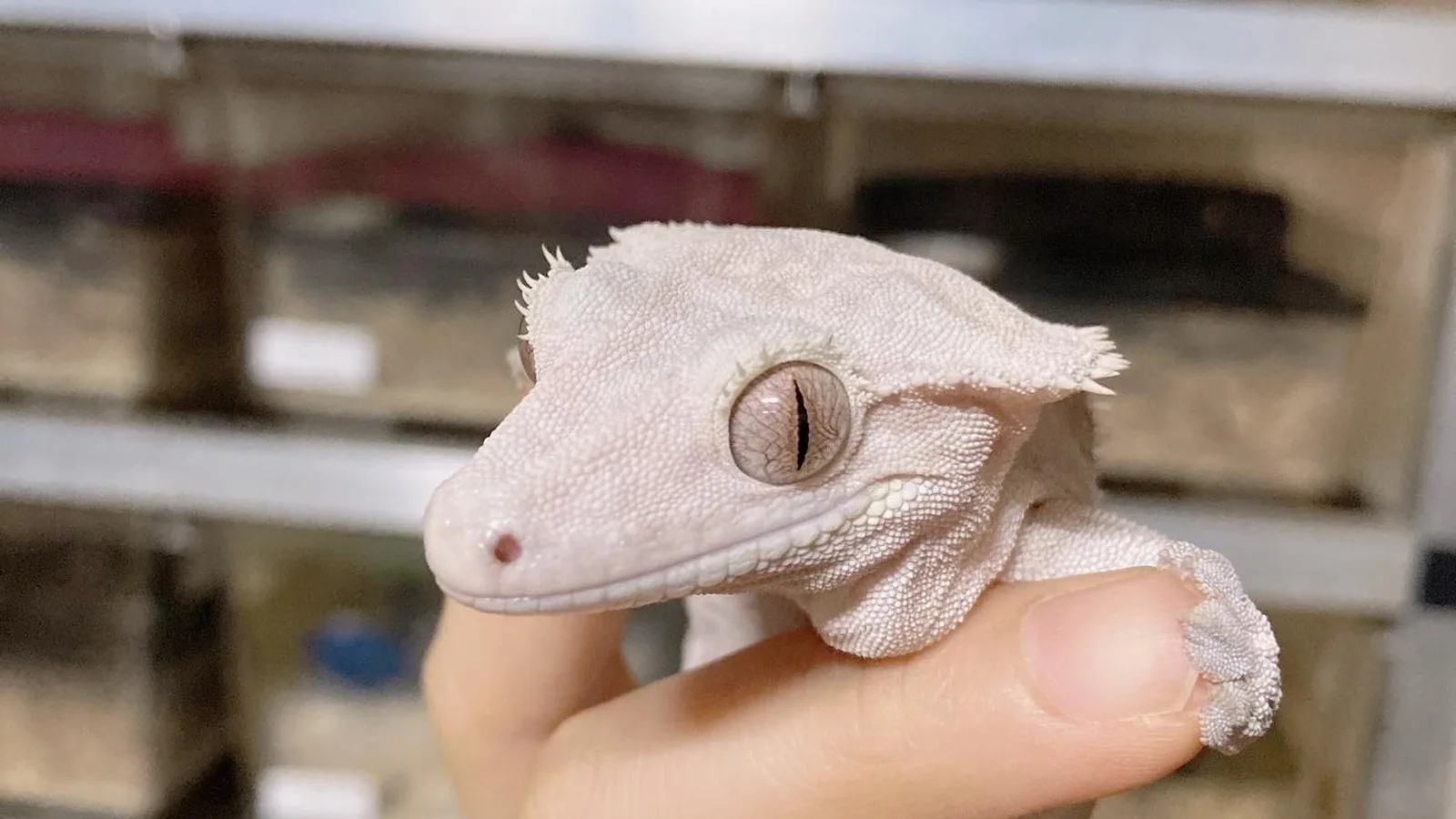
Alongside Metabolic Bone Disease, Respiratory Infections (RI) represent the second major preventable health emergency in captive crested geckos.
Many keepers still link pneumonia solely to cold winter drafts. Yet across Malaysia, Singapore, and humid homes everywhere, the #1 culprit is stagnant soggy air lacking a daily dry-out cycle—especially covered mesh tops, sour flooded substrate, or ultrasonic cold-mist foggers that pump bacteria-laden micro-droplets straight into sensitive gecko lungs.
6 Clinical Warnings of a Respiratory Infection
Because geckos lack a diaphragm, they cannot cough thick fluid clear of deep airways. Fluid accumulates silently until one or more of these signs surface:
| Warning Sign | What You Hear or See | How to Separate from Normal Behavior | Action Level |
|---|---|---|---|
| 1. Rhythmic Clicking, Popping, or Wheezing at Rest | Listen 10 cm (4 in) from a completely motionless gecko: a wet click, snap, or soft whistle syncs with every breath | Voluntary squeaks or chirps occur only once during movement/courtship; healthy resting breath is 100% silent | High (Book an Exotic Vet Exam Promptly) |
| 2. Open-Mouth Breathing at Safe Temps | Sitting motionless with mouth cracked open at comfortable temps (20–26°C / 68–79°F) | Once sustained heat stress (29–30°C+) is ruled out, resting gaping points to plugged nostrils or failing oxygen exchange | Urgent Exotic Vet Visit |
| 3. Persistent Nostril Bubbles or Crusts | Tiny clear or milky bubbles inflating with every exhale, or sealed yellow-white crusts over nares | Strays of mist water evaporate cleanly in minutes; RI discharge reforms breath after breath | High (Veterinary Assessment Needed) |
| 4. Ropy Saliva / Pale or Dusky Gums | Thick bubbly or stringy mucus across the palate and glottis; pale grey or bluish-purple tissue | Healthy gums are smooth, clean light pink with thin clear saliva | CRITICAL EMERGENCY (Airway Suffocation Risk) |
| 5. Extended Upward Head Tilt (“Stargazing”) | Propping the chin steeply up 45°–90° toward the ceiling for hours on end | Straightens the trachea so gravity drains pooled fluid away from the windpipe opening | CRITICAL EMERGENCY |
| 6. Sudden CGD Refusal & Ground Lethargy | Total disinterest in food paired with sleeping flat on the floor with shut eyes | Blocked smell dulls appetite while low oxygen drains climbing strength | High (Immediate Vet Visit) |
The Three Setup Flaws That Trigger RI
Audit your cage immediately alongside calling your vet:
- Missing Daytime Dry-Out + Ultrasonic Foggers (The Primary Culprit): Sealing half the screen mesh or leaving mist running nonstop holds humidity locked above 80% day and night, while ultrasonic fog reservoirs harbor biofilms that aerosolize straight into lungs. Always cycle 75%–85% evening mist down into a 40%–65% midday dry-out (an overall 40%–85% daily range) using crisp spray nozzles and open ventilation.
- Damp Cold Nights (
below 17–18°C / 62–64°F): Spraying heavy water before winter cold plunges chills mucous membranes and depresses immunity. Protect cold rooms overnight at 19–21°C (66–70°F) with a thermostated overhead DHP or CHE. - Chemical Aerosols and Irritating Dust: Household smoke, scented candles, mosquito coils, essential-oil diffusers, paint VOCs, and bone-dry coco dust strip delicate airway linings.
Prevent respiratory infections by maintaining a clean 40–85% wet/dry cycle: peak to 75–85% at dusk misting, then dry into 40–65% via open top ventilation during daytime.
Skip DIY Antibiotics and Steamy Bathrooms
Do not mix human amoxicillin into water or hold a struggling gecko over hot bathroom steam. Reptile respiratory bacteria are largely Gram-negative pathogens resistant to basic pet-store or human first-line pills—guessed drugs ruin kidneys while delaying real recovery.
- Pre-Vet Stabilization: Transfer into a clean, dry, well-ventilated white paper-towel hospital tub in the comfortable 24–26°C (75–79°F) range with a shallow clean water dish, avoiding stagnant overheating and pausing direct body spraying.
- Professional Treatment: An exotic vet can take airway swabs for targeted bacterial cultures and prescribe exact gram-calibrated antibiotics or medical sterile-saline nebulizer therapy.