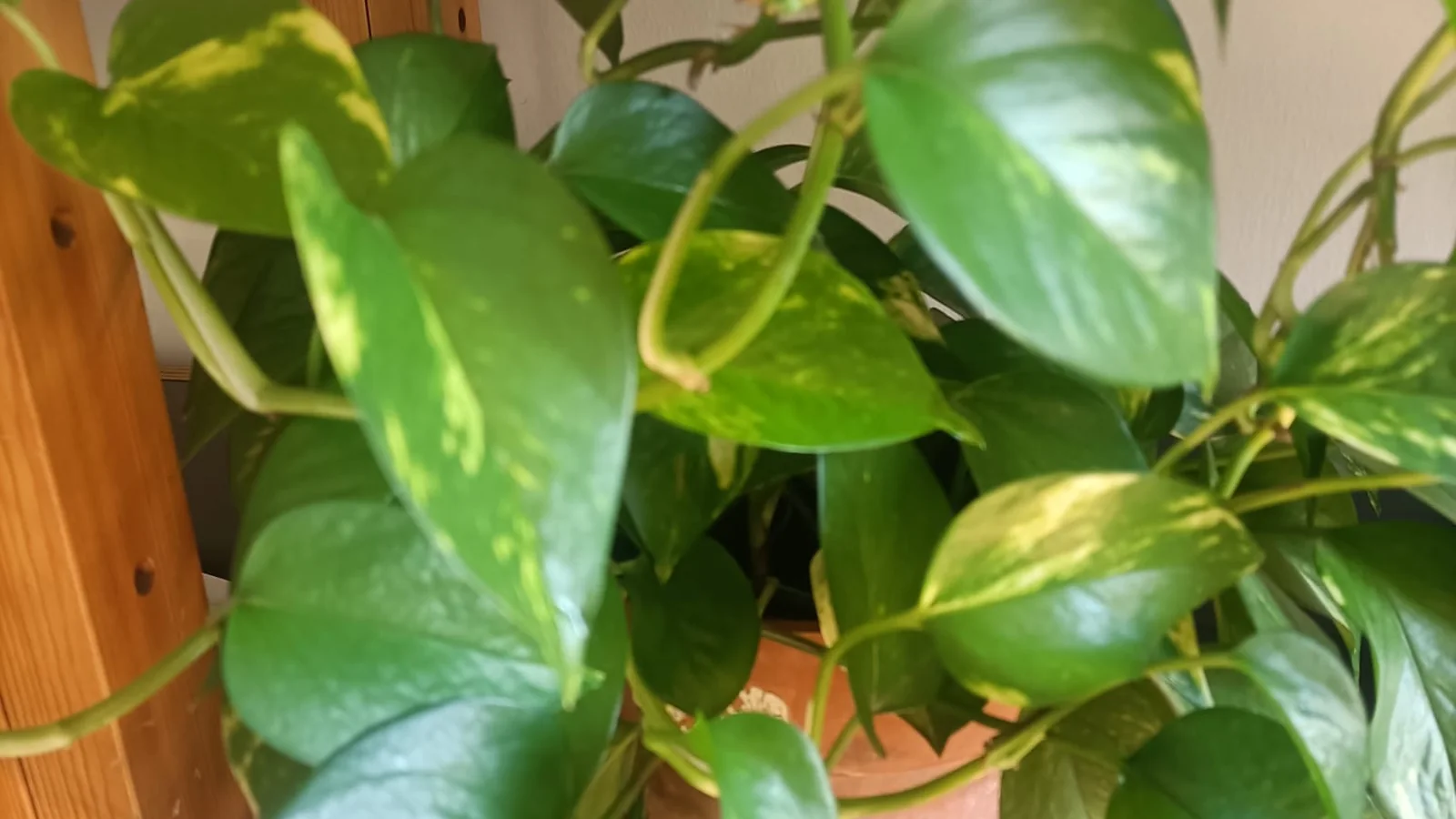
Real foliage brings tangible benefits inside a 30×30×45 cm or 45×45×60 cm terrarium: leaf transpiration smooths midday humidity drops, broad matte leaves give microscopic gecko toe setae effortless grip, and natural cups hold clean evening mist droplets.
Yet dropping an impulsive garden-center purchase straight into an active enclosure backfires fast. Delicate houseplants snap beneath a 45-gram leaping adult, nursery potting mix hides slow-release fertilizer beads and long-acting insecticides, and shade-intolerant plants rot quickly without full-spectrum LED grow lighting.
Choosing sturdy species and scrubbing every nursery plant down to clean bare roots eliminates those headaches before your gecko moves in.
7 “Gecko-Proof” Live Plants Built for Adult Weight
Adult crested geckos weigh roughly 35 to 55 grams and jump hard between perches. Keep dainty ferns and nerve plants (Fittonia) low on the floor as accents, and lean on these seven structural plants for canopy cover:
| Plant Name (Common & Scientific) | Weight Tolerance | Best Placement | Light & Care Notes | Why It Works |
|---|---|---|---|---|
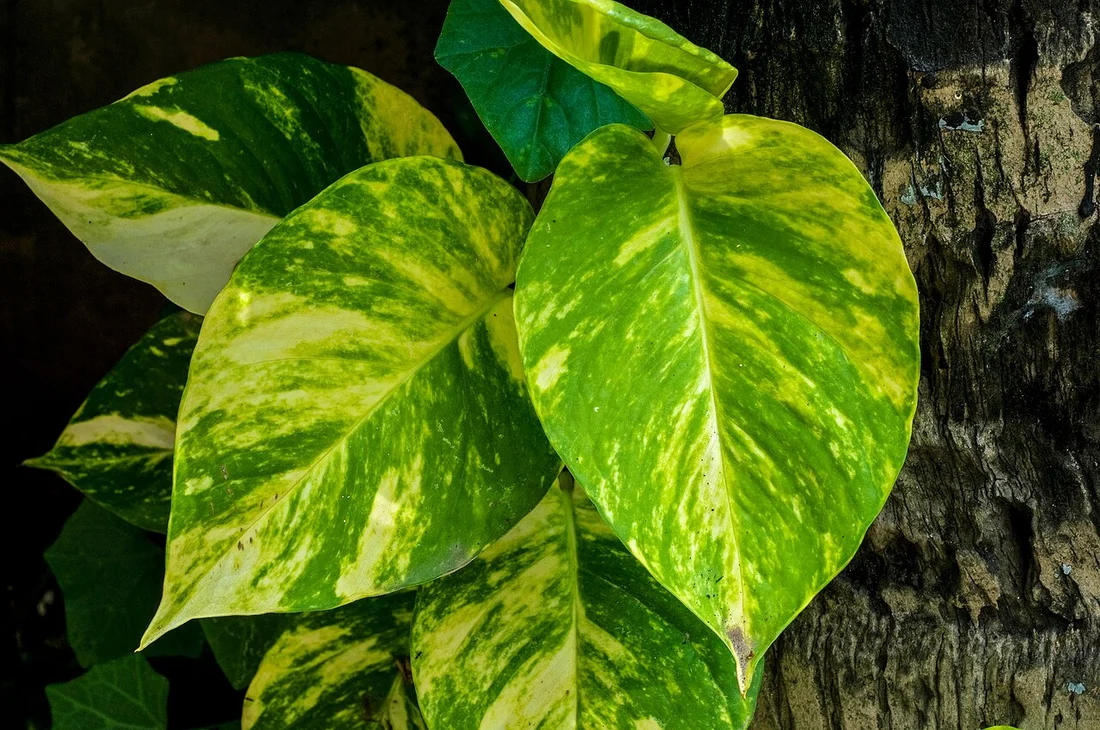
| Golden or Marble Pothos (Epipremnum aureum) | Very High | Upper wall planter, hanging shelf, or trailing along cork branches | Thrives in moderate indoor LED light and misting | Thick waxy leaves and tough stems support sleeping adults without snapping |
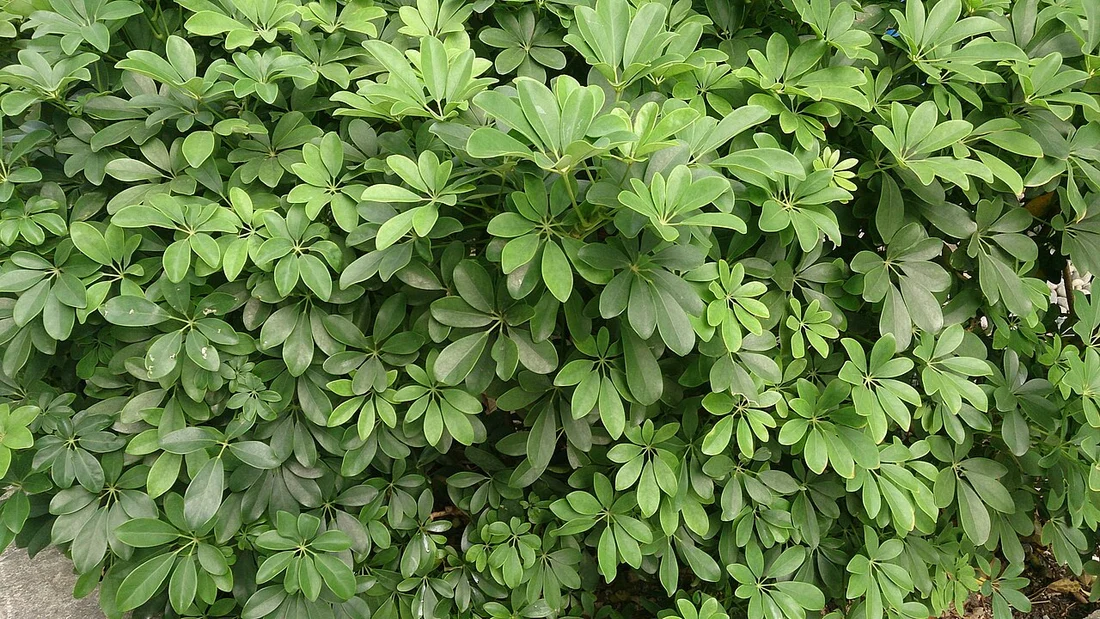
| Dwarf Umbrella Tree (Schefflera arboricola) | Very High (Woody canopy) | Planted in deep background substrate as center anchor | Needs moderate-to-bright full-spectrum LED light and well-drained soil | Horizontal spokes of leaflets naturally create anti-FTS level resting perches |
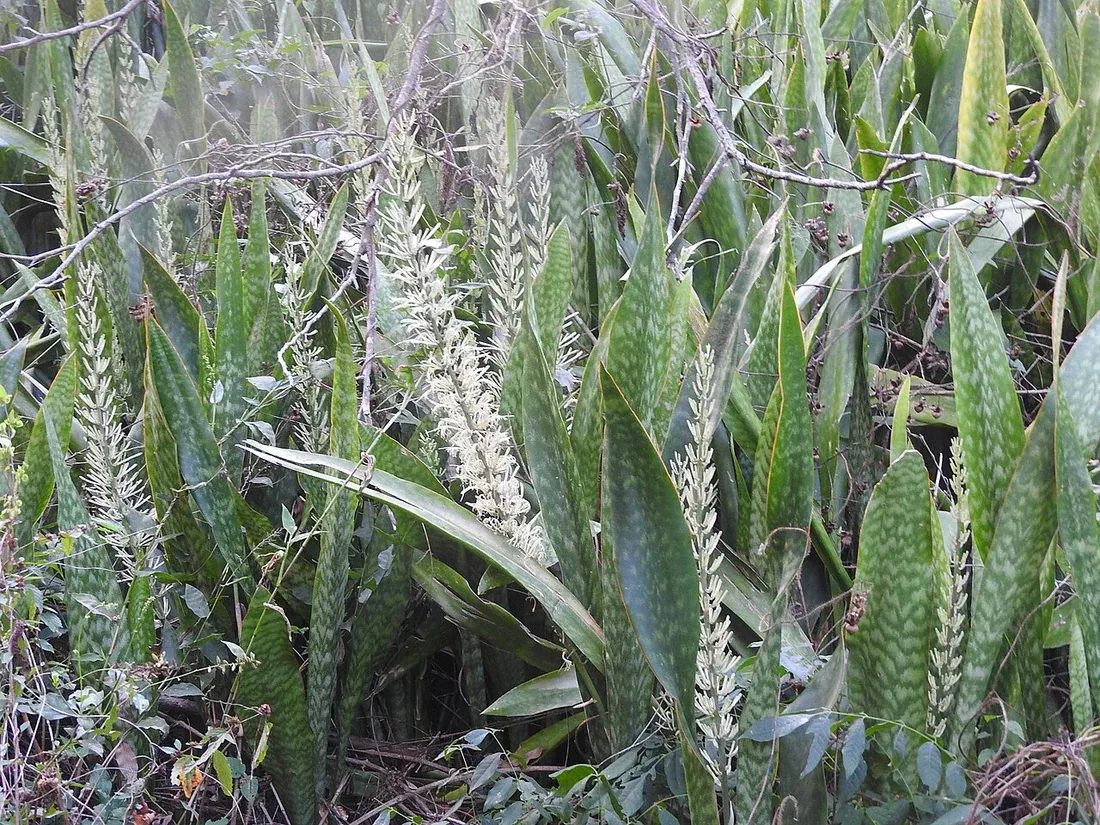
| Snake Plant (Dracaena / Sansevieria trifasciata) | Very High (Rigid blades) | Back corners or mid-ground vertical wall | Ultra-hardy in lower light; avoid constantly soggy crown centers | Stiff sword blades form snug vertical slots that adults frequently wedge inside to sleep |
| Heartleaf Philodendron (Philodendron hederaceum) | High | Trailing around upper perches or cork backgrounds | Handles dim corners and daily spray effortlessly | Quickly builds lush heart-shaped sheets to hit the 60%–80% visual cover mark |
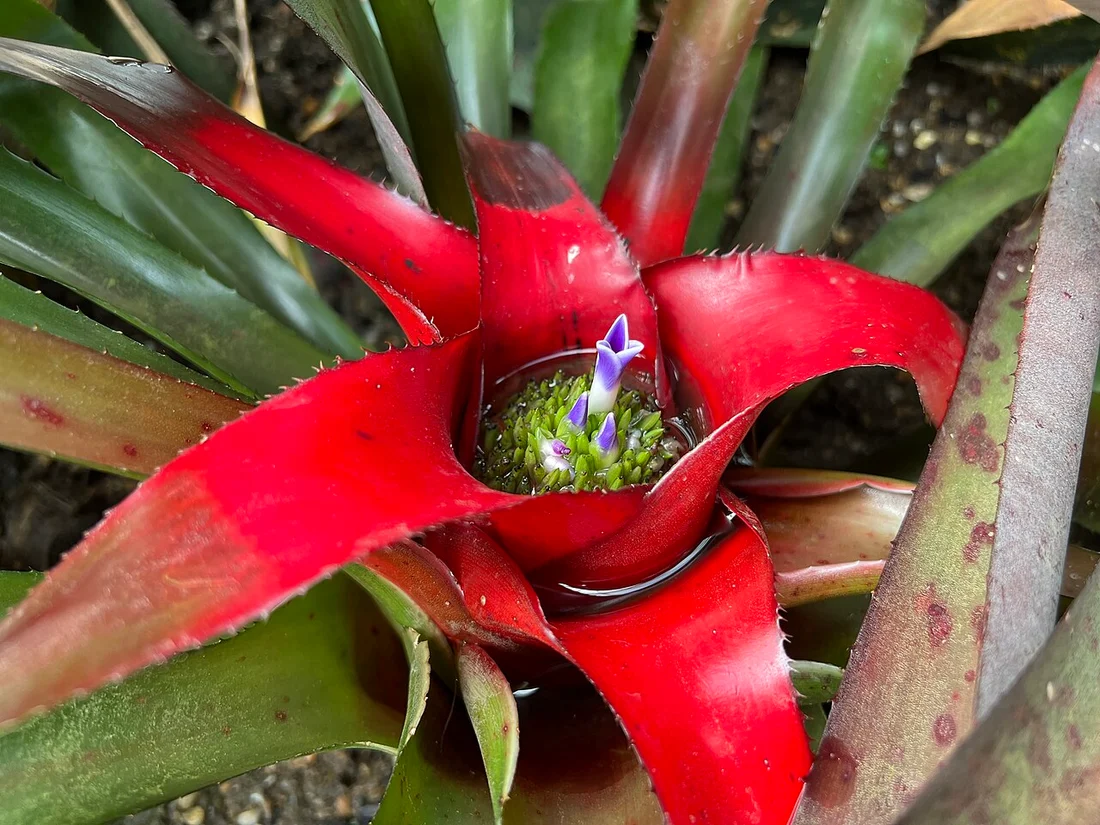
| Spineless Bromeliads (Neoregelia varieties) | High (Firm rosettes) | Mounted epiphytically high onto cork rounds or branches | Likes brighter LED light; flush central cup weekly with fresh water | Smooth cup holds clean drinking water up in the canopy while forming cool dark leaf shelters |
| Creeping Fig (Ficus pumila) | Moderate (Vine cover) | Trained across cork tile backgrounds | Needs even moisture and periodic trimming away from mesh vents | Rugs bare walls in dense mini foliage for shy juveniles |
| Compact Dracaena (Dracaena compacta / Janet Craig) | High | Mid-ground upright structural column | Resilient under standard 10–12 h daylight LED | Sturdy cane topped with a broad leaf crown hides magnetic feeding ledges |
4 Sturdy Live Plants Built for Crested Gecko Canopy Activity
Adults leap heavily across perches at night. Lean on tough-stemmed or rigid-blade plants above and keep delicate ferns strictly as ground-floor accents.
3 Plant Groups to Keep Out of Gecko Terrariums
- Plants with Caustic Sap or Strong Toxins: Avoid Dumb Cane (Dieffenbachia), Sago Palms, Oleander, Poinsettias, and True Lilies. Even though crested geckos do not graze leaves, stray feeder crickets nibble foliage overnight and pass ingested plant toxins directly to the gecko, while cut milky sap irritates lidless eyes. (Pothos and Philodendron contain insoluble calcium oxalates if chewed, yet have been safely used across millions of insectivorous/omnivorous gecko tanks—simply blot cut ends dry whenever pruning.)
- Sharp Spines and Serrated Edges: Avoid cacti, sharp agaves, and thorny bromeliad cultivars (Cryptanthus or saw-toothed Aechmea) that slice belly skin or corneas during high-speed nighttime jumps.
- Heavy Aromatic Oils or Sticky Traps: Keep conifers, eucalyptus, scented geraniums, and sticky carnivorous plants (Drosera / Nepenthes) outside the enclosure.
The 4-Step Bare-Root Plant Quarantine Protocol
Wholesale nursery pots almost always contain chemical slow-release fertilizer prills, white perlite gravel (an impaction risk if swallowed), leaf-shine coatings, root-absorbed insecticides (like imidacloprid drenches), and hitchhiking snails or slugs. Never place store pots directly inside a terrarium:
- Strip All Nursery Media Completely: Pop the plant out of its pot and spray away 100% of original soil, fertilizer pellets, and perlite beads from the root web using lukewarm running water.
- Scrub Leaves Clean: Rinse both top and underside of every leaf thoroughly under clean water (a tiny drop of unscented castile soap works for waxy leaf-shine sprays, followed by copious fresh water rinsing).
- Repot into Clean Organic Reptile Soil: Pot bare roots into plain fertilizer-free coco fiber, orchid bark, and charcoal mix.
- Wait Out a 2–4 Week Buffer Window: When buying from ordinary retail nurseries rather than pesticide-free reptile vendors, keep the repotted plant under gentle light outside the enclosure for 2 to 4 weeks before introducing your gecko so trace insecticides dilute and pests become obvious.
(One practical reminder: live plants require a dedicated 10–12 hour daylight LED grow bar. In dark rooms without grow lights, durable silk broad-leaf plants deliver identical cover without rotting roots or fungal gnats.)