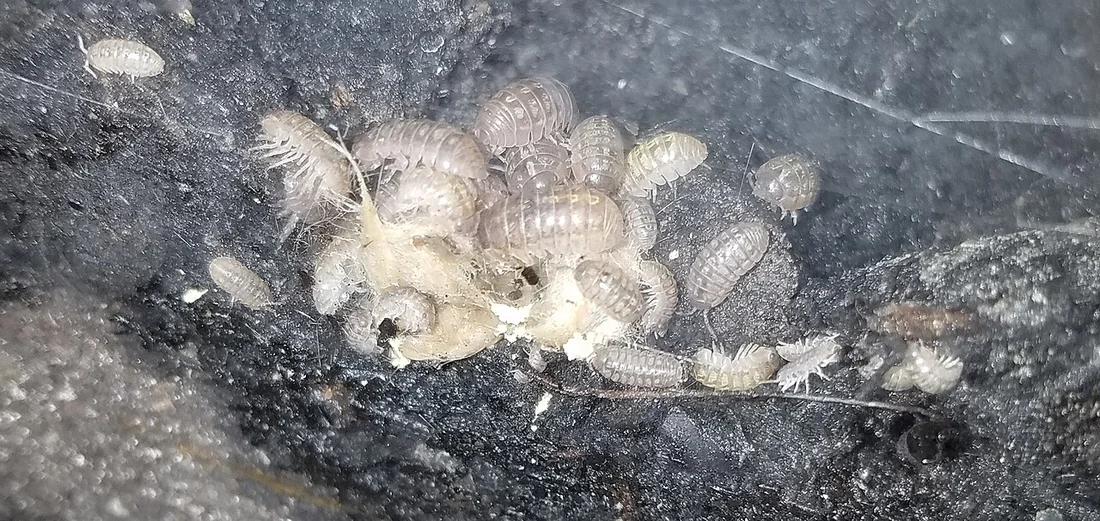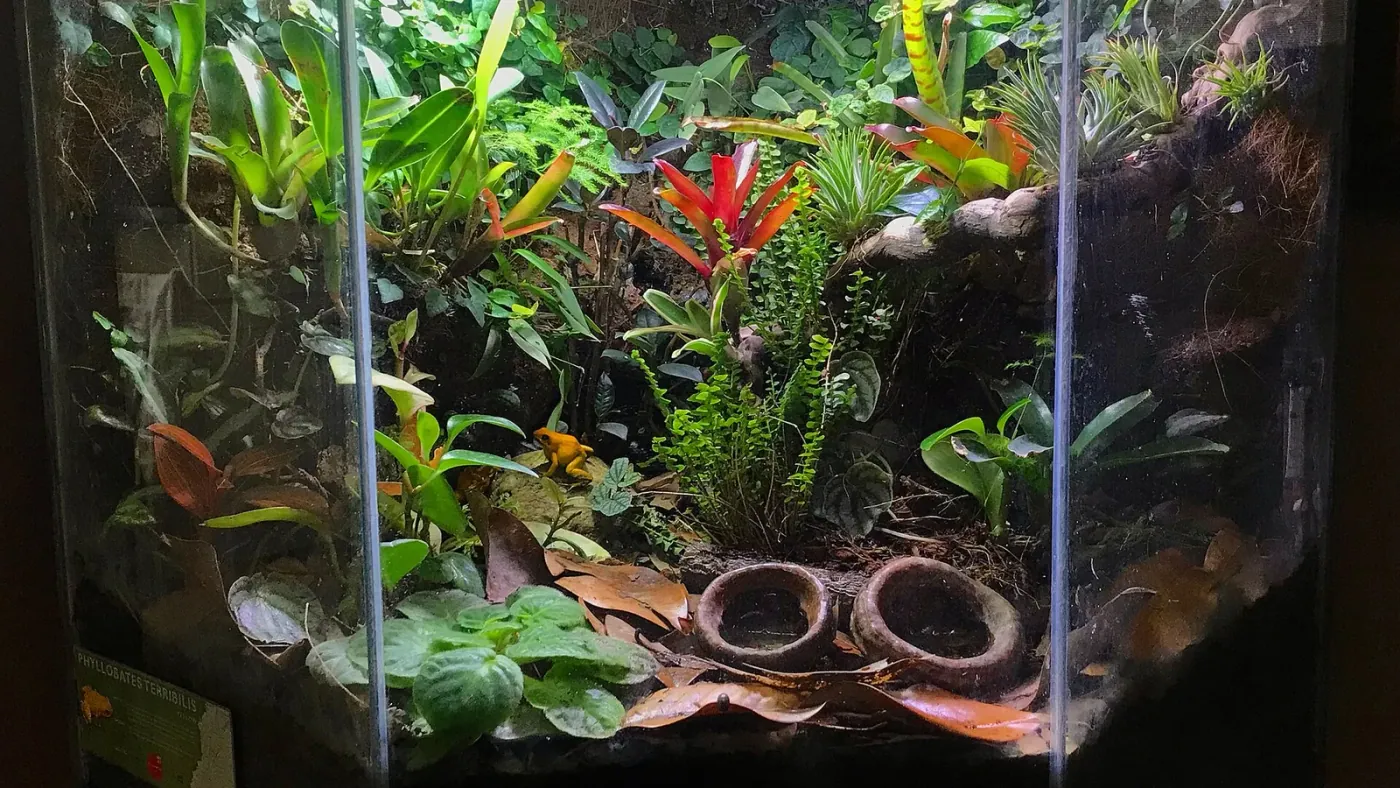
Scroll through reptile social feeds and you could easily conclude that a lush Bioactive Vivarium layered with drainage balls, tropical soil, live philodendrons, and isopods is mandatory—and that once built, it cleans itself indefinitely.
Three months later, many keepers who rushed straight into bioactive builds find themselves battling sour soggy dirt, bedroom swarms of fungus gnats, rotting foliage, and the surprise realization that isopods never climb glass doors to wipe dried urate streaks or smeared fruit-mix footprints. Even worse, diarrhea from early parasites disappears silently into damp leaf litter for weeks before anyone realizes something is wrong.
Bioactive setups shine for settled adults under attentive care, yet they are neither self-cleaning nor automatically superior to a well-furnished paper-towel setup.
Honest Side-by-Side: Paper Towel vs. Naturalistic vs. Full Bioactive
Before investing in volcanic drainage layers, mesh dividers, and plant grow bars, look at what each approach changes in daily life:
| Comparison Factor | Paper Towel + Cork & Silk Foliage | Non-Bioactive Loose Substrate | Full Bioactive Vivarium |
|---|---|---|---|
| Stool & Urate Visibility | 100% clear (Every dropping, diarrhea puddle, and urate color spotted immediately) | Moderate (Soft stool blends into dark bark and coco fiber) | Lowest (Ground droppings sink into leaf litter and get broken down fast) |
| Hand Cleaning Required? | Glass doors, branches, ledges + 30-second paper-towel swap | Glass doors, branches, ledges + spot scooping | Yes—you must still wipe glass walls, canopy leaves, and feeding ledges weekly |
| Cost During Parasite Outbreak | Tiny (Discard paper, disinfect glass/plastic with F10SC) | Low (Dump and replace cheap substrate mix) | High loss: Heavy coccidia or Cryptosporidium (resistant to standard disinfectants) means tearing out and discarding all soil, plants, and clean-up crews |
| Daily Skill Burden | Focus 100% on reading gecko cues | Focus on gecko + soil moisture | Manage one arboreal reptile + potted indoor foliage + two soil invertebrate colonies |
| Best Use Case | All new 60–90 day quarantines, juveniles under 15 g, sick recovery, tight observation | Healthy 15 g+ geckos needing modest moisture buffering without bedroom bugs | Quarantined, fecal-cleared 20 g+ subadults and adults once routines are dialed in |
Three Persistent Myths About Bioactive Tanks
Myth 1: “Springtails and Isopods Replace Cleaning”
Crested geckos are arboreal lizards spending roughly 80% of their active hours mid-to-upper canopy on glass panels, diagonal cork flats, and overhead leaves—and that is where they defecate and walk CGD tracks. Microfauna live inside moist floor litter; springtails do not crawl 45 cm up a vertical glass door with a paper towel to buff away chalky white urates. Dish sanitation and glass wiping stay identical.
Myth 2: “A Gecko Cannot Thrive Without Real Dirt”
Gecko welfare hinges on a 20–27°C thermal profile, a broad 40–85% wet/dry cycle (evening mist to 75–85% drying naturally into 40–65% by day), 60%–80% opaque canopy cover, and sturdy climbing corridors inside a practical 30×30×45 cm or upgraded 45×45×60 cm enclosure. A thoughtfully furnished paper-towel habitat stuffed with real cork bark and dense silk foliage meets every physical and behavioral requirement—with zero waterlogged soil mold risk.
Stark paper towels make every fecal and urate change immediately legible, whereas layered bioactive beds require false-bottom drainage and separate plant/microfauna balancing.
Myth 3: “Fungus Gnats Are Proof of Healthy Soil”
Heavy clouds of fungus gnats typically flag overwatering, poor substrate aeration, or spoiled leftover food dripping into stagnant wet soil, risking root rot and stale air.
Build Smart in Two Phases
If a living rainforest vivarium excites you, separate the timelines cleanly: keep your new arrival on unbleached paper towels with dense cork hides for its full 60–90 day quarantine while confirming reliable appetite, steady growth, and clean fecal checks. Simultaneously plant and cycle the empty bioactive tank for four weeks so roots anchor and clean-up crews colonize before moving your gecko in.