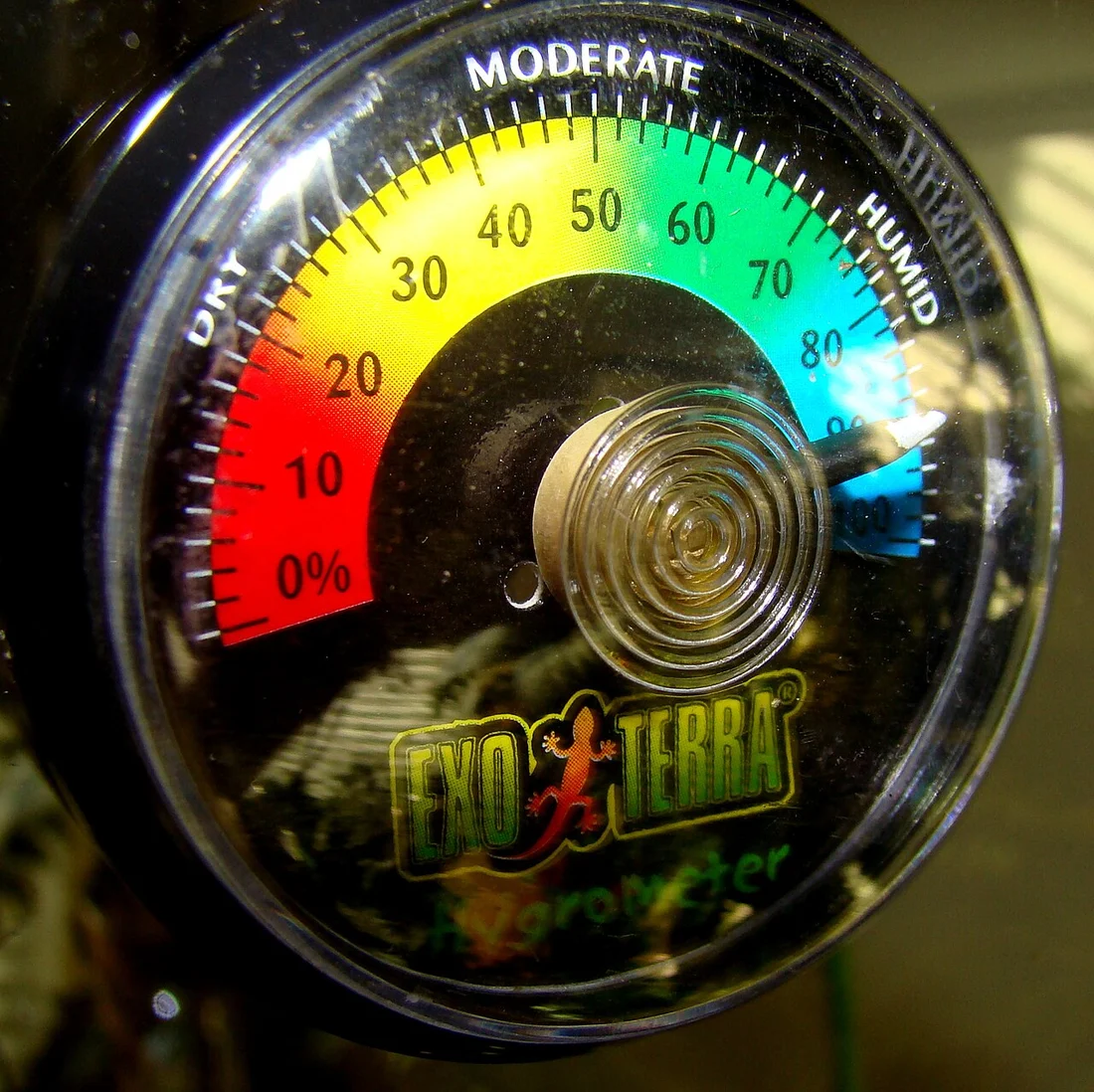
Every week across the hobby, the same frustrating story repeats: a first-time keeper puts $800 to $1,500 toward a striking Lilly White, visual Axanthic, or high-contrast Tri-color Harlequin hatchling—then squeezes it into a bare $20 tub with a cheap analog dial gauge in a room hitting 29°C (84°F) each afternoon. Within two months, the prized animal lands in emergency care with heat stress, chronic dehydration, or stuck shed.
Remember one biological rule no morph can outgrow: a $2,000 designer gecko shares the exact same lungs, kidneys, bone metabolism, and thermal ceiling as a $50 buckskin pet gecko. High-end bloodlines buy zero protection against hot air or stagnant humidity.
Flip Your Startup Spend: Build the Habitat Before Buying the Animal
When dividing a fixed starter budget, build from climate and welfare outward rather than emptying your wallet on the label:
| Budget Bucket | The Risky “Morph-First” Mistake | The Smart “Habitat-First” Allocation |
|---|---|---|
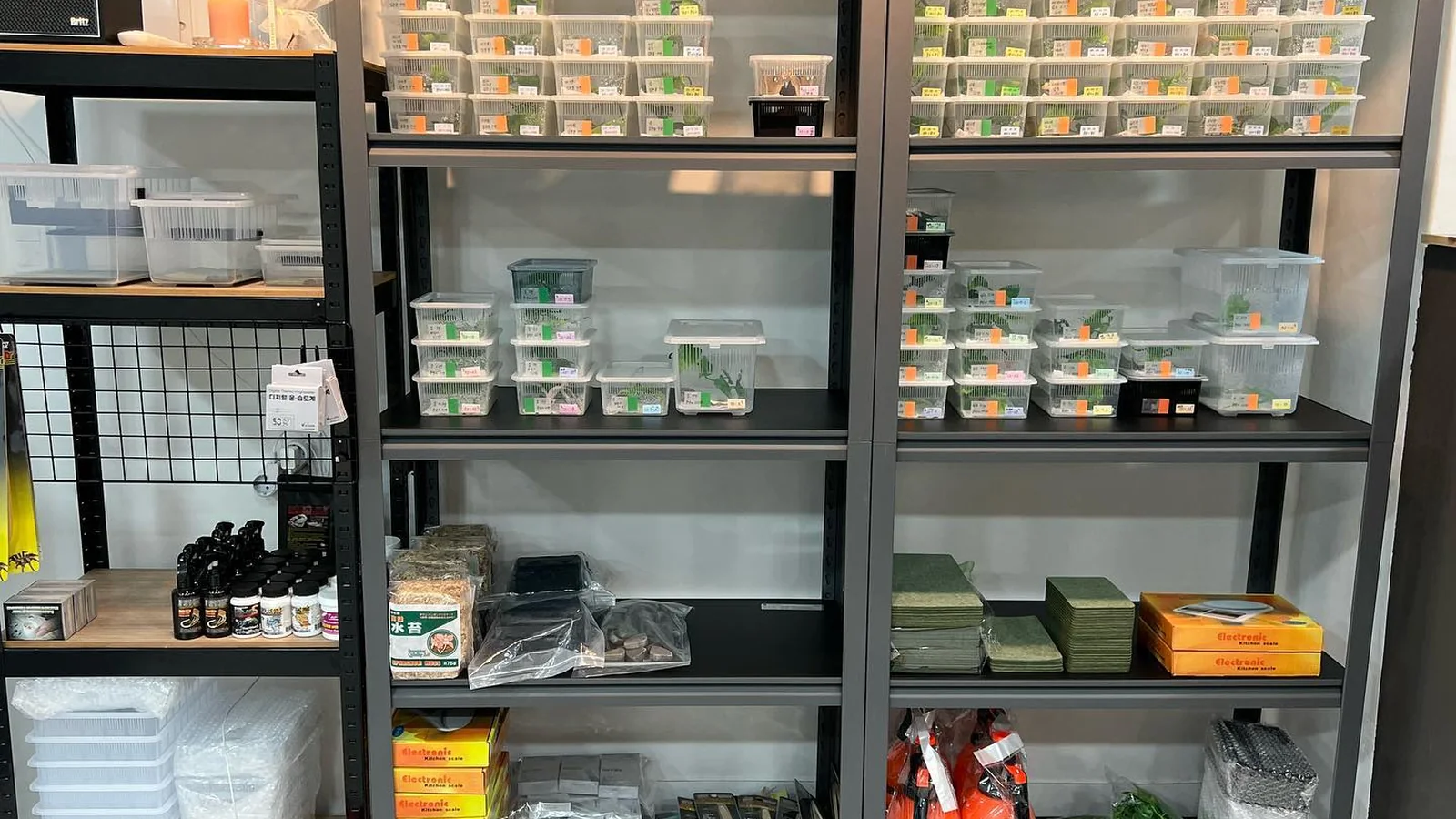
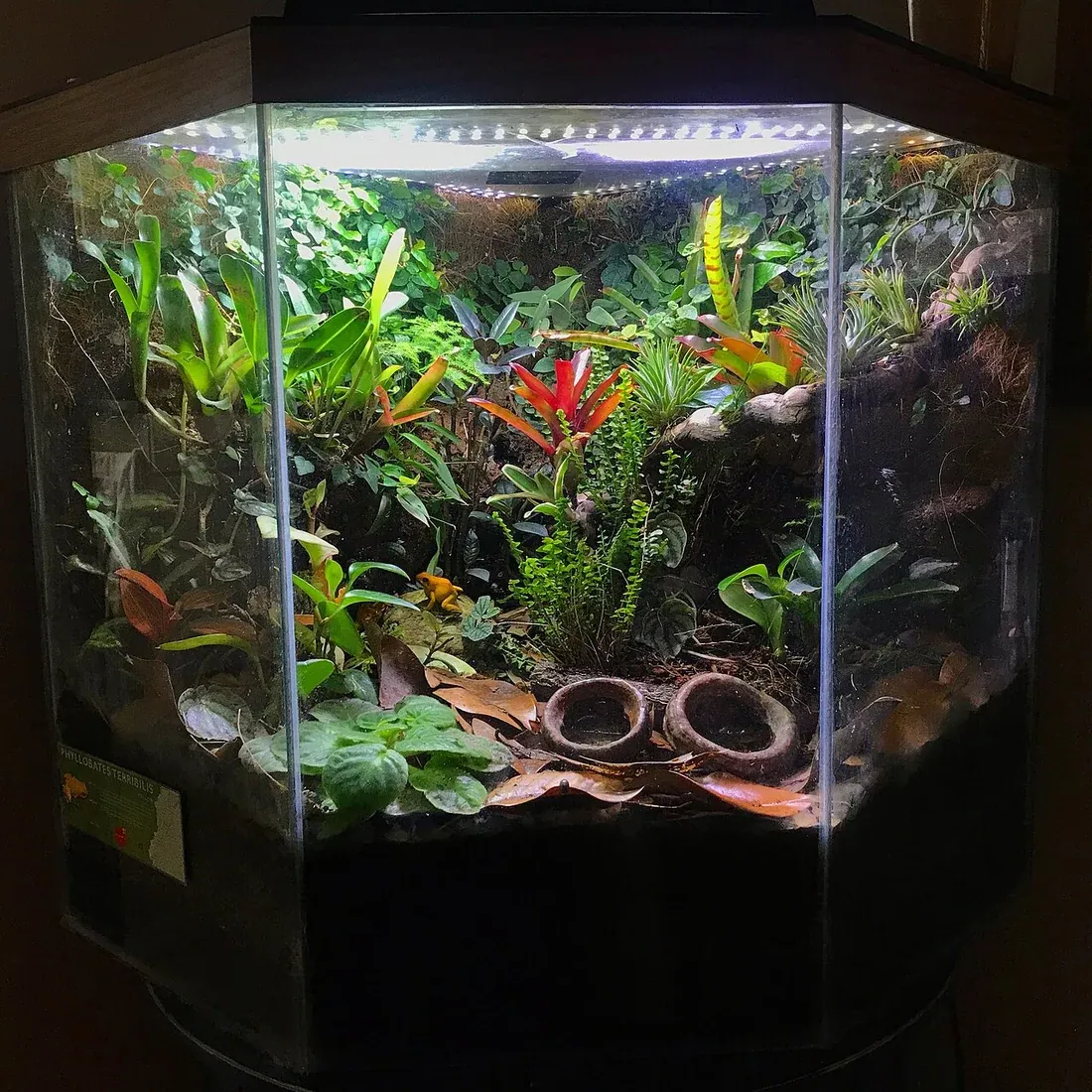
| 1. Habitat, Climate & Cover (50%–65%) | Bare-minimum tub, single suction leaf, analog dials, uncooled summer room | Priority #1: Vertical enclosure (30×30×45 cm mainstream practical size; 20×20×30 cm starter tub for hatchlings; 45×45×60 cm upgrade if space permits), dual digital probe thermo-hygrometers with MIN/MAX memory, timer-controlled daytime light, sturdy cork hides, and 60%–80% canopy clutter |
| 2. Diet, Scale & Vet Fund (15%–20%) | Unsealed repackaged powders, zero gram scale, nothing saved for vet diagnostics | Sealed Pangea / Repashy CGD only, Repashy SuperCal MeD for feeder crickets (plain calcium if running optional UVB), 0.1 g digital scale, and a ring-fenced exotic vet fund |
| 3. The Animal Itself (20%–35%) | Spending every dime on a fragile 2.5 g hatchling with no climate backup | Choosing an established, hearty 10–25 g juvenile or subadult with verified feeding history in traits you genuinely enjoy seeing daily |
Where Startup Money Belongs: Ditch Analog Dials for Real Habitat Structure
A high-end morph still needs accurate probe readings and dense vertical foliage to show peak fired contrast and avoid illness.
Why Great Husbandry Actually Looks Better Than Hype Labels
Ironically, setup quality determines what your gecko displays night after night:
- Dense Cover and Stable Climate Draw Out True Contrast and Straight Tails: A stressed designer gecko parked inside a bare heated box stays washed out in a corner or sleeps head-down against smooth glass until pelvic FTS appears. By contrast, a modest flame or tiger housed amid cork bark tunnels and shaded leaves settles smoothly by day and shows deep velvety firing and crisp limb tone after dusk misting.
- Condition Beats Rarity: Rounded thighs, bright alert eyes, full chalk sacs, and steady weight gain on a modest morph always look better than a stunted, sunken-eyed “rare line.”
Pass These 3 Habitat Checks Before Collecting Expensive Lines
Before moving into flagship genes—like high-white Lilly Whites, Axanthic projects, or still-developing Pied lines—confirm three basics on the ground:
- Your Room Survived Peak Heat & A/C Shifts: Your MIN/MAX thermometer log proves the tank comfortably avoids sustained 29–30°C+ stagnant heatwaves, while keeping a clean 40–85% cycle (75–85% evening misting drying down into 40–65% by midday).
- Biweekly Scale Weigh-Ins and Urate Reading Are Routine: Spot yellowing urates or consecutive gram drops right away rather than guessing by eye.
- Your Local Exotic Vet Contact Is Already Saved: Once housing, monitoring, and medical backup stand firm, investing in specialized morphs becomes pure hobby joy without anxiety.