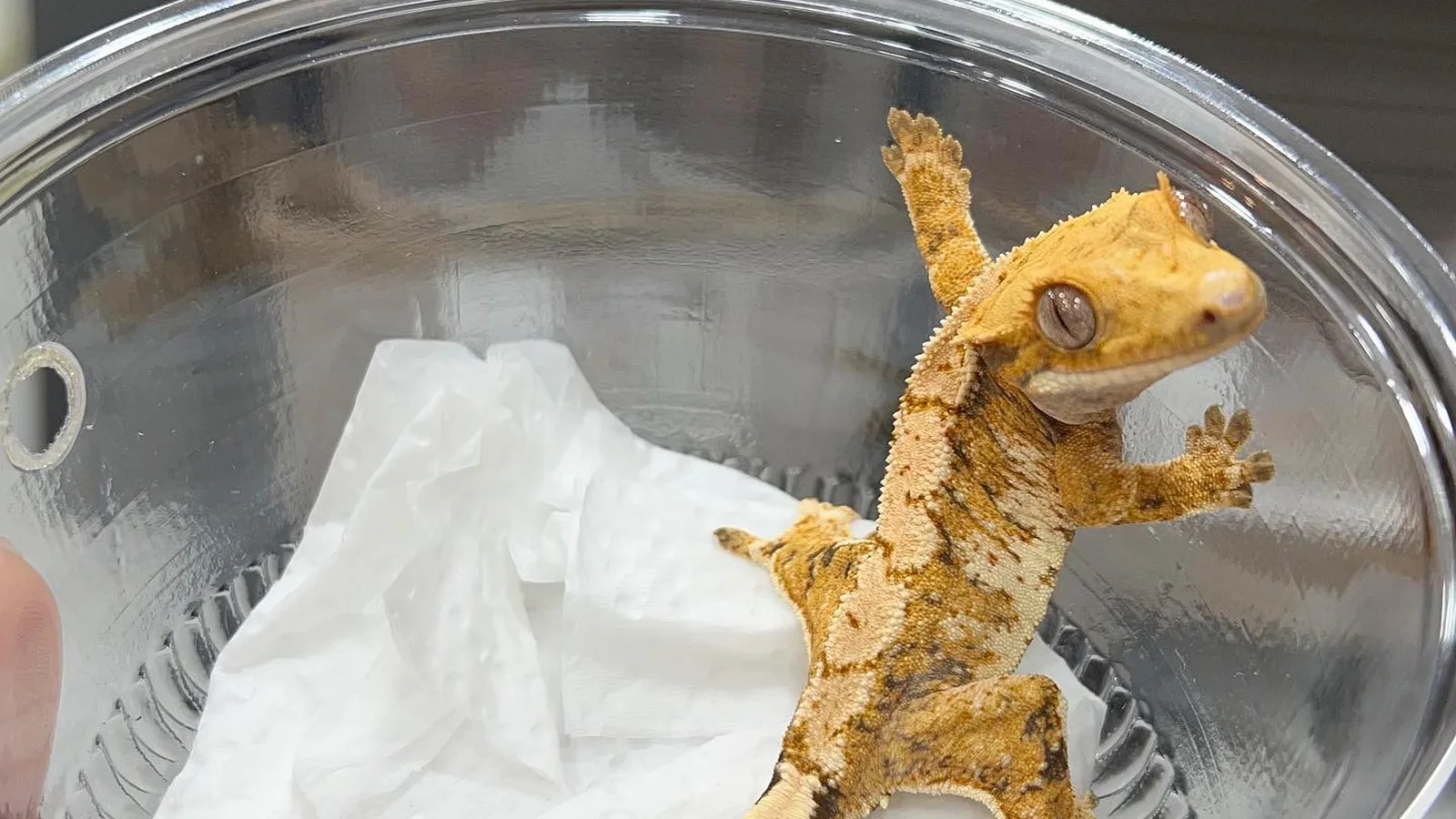
Moving homes turns chaotic fast for humans, and doubly stressful for a 40-gram nocturnal lizard sensitive to shifting acoustics, transit jolts, and harsh paint fumes.
The single costliest mistake on moving day is carrying a gecko inside its decorated glass tank straight onto a truck. Even modest braking turns heavy mopani branches, stones, and ceramic dishes into battering rams that crack glass or crush animals silently inside.
Pack the gecko first, strip hardscape from the glass tank, keep transit exclusively inside air-conditioned cabins, and reset gently at your new home.
4-Phase Moving Day Protocol (Pack First, Release Last)
| Phase | Safe Execution | Fatal Trap to Avoid | Why It Protects |
|---|---|---|---|
| 1. Pack Gecko Before Chaos | Before movers bump furniture, tuck the gecko into a ventilated deli cup lined with damp crumpled paper towel; seat cup inside an insulated dark cooler bag labeled “LIVE PET” away from slamming doors | Waiting until movers disassemble furniture beside bare terrarium glass | Darkness buffers startle stress, vibration shock, and defensive tail drops |
| 2. Empty Heavy Decor Out of Tank | Unplug lamps; remove every stick of wood, rock, loose ceramic dish, and water pump; siphon bioactive drainage layers dry; wrap/tape hinged doors securely closed | Carrying heavy driftwood, water dishes, or standing water down stairs inside glass | Drops lift weight and removes interior missiles during highway turns |
| 3. Ride in AC Passenger Cabin Only | Buckle or lodge the insulated bag on the passenger floor/seat away from icy AC blasts inside a comfortably air-conditioned car (ordinary cool room temps around 20–26°C work fine—no need to micromanage an exact 22–25°C degree); carry the bag inside during stops | Never load pets inside car trunks, uncooled moving vans, or parked cars with engines off | Sunlit parked cabins soar past 40°C (104°F) in 5–10 minutes in warm tropical weather—locked hot cabins kill quickly, not normal car variation |
| 4. Air Out New Room & Verify Temps | Place the rebuilt enclosure away from west sun and AC jets; if newly painted or pest-treated, ventilate aggressively for 48–72+ hours until fumes vanish completely and log 20–27°C first | Unboxing inside fresh paint fumes, insecticide fogs, or sanding dust | Delicate reptile airways absorb toxic paint VOCs and household aerosols rapidly |
Empty Tank Moves 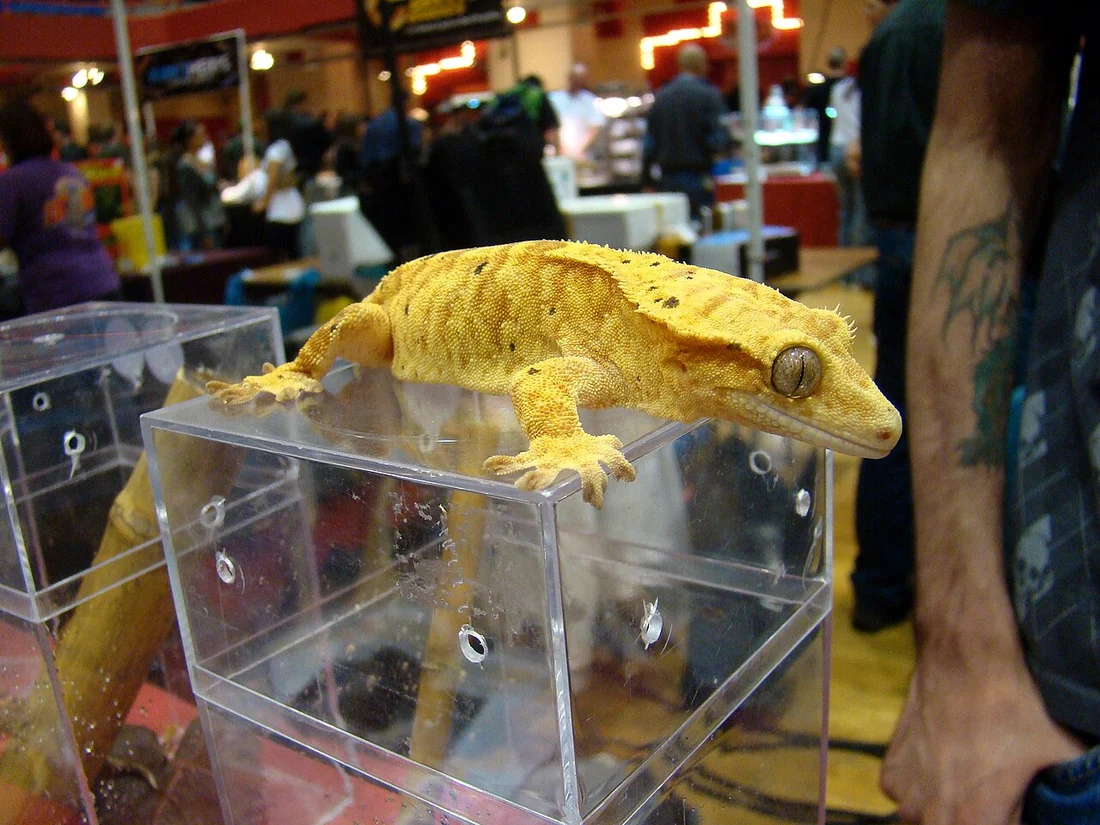
Pre-Trip Fasting & Fresh Address Settling
- Withhold Live Bugs 24–36 Hours Before Travel: Road vibration halts smooth digestion—hard insect exoskeletons sitting in a stressed stomach trigger nasty car sickness regurgitation. Hydrate normally and ride on an empty gut.
- Keep the Travel Cup Empty of Solid Bowls: Pack 2–3 lightly dampened, crinkled sheets of unbleached paper towel (or soft damp sphagnum) for cushion and toe traction—zero solid plastic dishes or sticks inside transit cups.
- Give Another 5–7 Quiet Days Upon Arrival: Despite returning to the same tank, afternoon window glare, building vibrations, and AC dryness shift at a new address. Pause handling during week one and watch 24-hour MIN/MAX thermometer memory carefully to catch surprise west-facing afternoon heat gains.