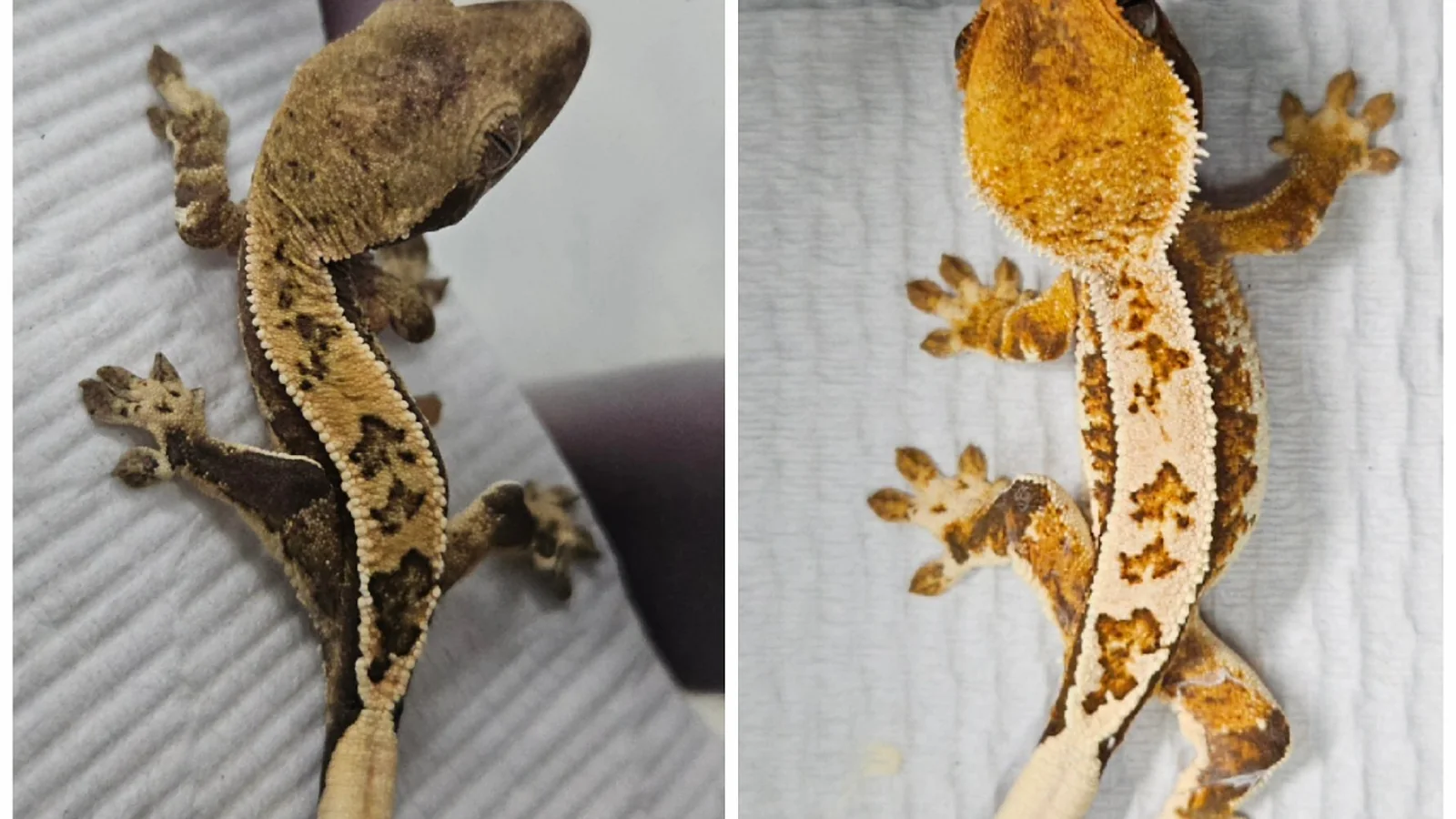
New buyers frequently lump palm-sized lizards into the lifespan mental bucket of rodents or tiny frogs. In reality, when protected from prolonged stagnant heat (29–30°C+) and fed fresh complete D3-fortified Pangea or Repashy diets (with no mandatory UVB required), captive crested geckos routinely reach 15 to 20+ years, with well-kept individuals regularly passing 22 to 25 years.
A tiny hatchling picked up in university can easily stay with you well into middle age. Once your gecko passes 10 to 12 years, natural shifts in joint suppleness, shedding rhythm, and vision call for thoughtful aging-in-place tweaks inside its 30×30×45 cm or larger enclosure.
Prime Adult vs. Senior Gecko (12–20+ Years): Normal Aging vs. Illness
Slowing down with age is not illness—know where normal maturity crosses into medical red flags:
| Trait | Prime Adult (2–9 Years) | Normal Senior Shift (12–20+ Years) | Red Flag Requiring Exotic Vet Care |
|---|---|---|---|
| Climbing & Jumps | Confident high leaps; sleeps stuck smoothly to front glass | Prefers walking sturdy cork bridges; rests lower or inside horizontal hides | Sudden leg tremors, dragging hind feet, or loss of balance/righting reflex |
| Shedding & Foot Grip | Peels briskly every 4–6 weeks; crisp glass stickiness | Slightly longer intervals (5–7 weeks); more prone to stray toe-tip shed wisps and minor glass slips | Swollen purple/black toes from tight shed rings or full-body unshed sheets |
| Muscle Tone & Weight | Plump rounded flanks and hips | Slightly softer skin fold along ribs, while overall gram weight stays steady | Drop of more than 10% body weight over 1–2 months or sharp hollow hip bones |
| Sight & Hunting | Pinpoint strikes on nimble crickets | Faint harmless lens haze (lenticular sclerosis) or clumsy strikes on fast prey | Unilateral swollen eyeball, pus under spectacle, or nasal discharge |
| Reproductive Slowdown (Females) | Seasonal fertile or slug clutches | Gradual reproductive cessation (“menopause” around 8–12+ years) | Hard distended abdomen paired with lethargy/anorexia (suspect follicular stasis—ultrasound immediately) |
4 Low-Effort Upgrades for a Senior-Friendly Enclosure
1. Swap Open Vertical Drops for Wide Cork Ramps
As microscopic toe bristles thin slightly between longer shed cycles, slick vertical glass demands extra effort:
- Arrange wide (
4–6 cm) textured cork flats and sturdy angled branches like switchback ramps from floor to canopy so your senior walks cleanly everywhere without flying leaps. - Keep forgiving soft cushioning beneath (deep leaf-topped soil or plush layered paper towels) in case a clumsy foot slips.
2. Run Upper and Lower Food & Water Stations
Keep the traditional elevated feeding ledge for habits’ sake, while adding a second CGD cup and shallow 1–1.5 cm water bowl down at 10–15 cm height beside an easy resting branch—preventing silent dehydration if stiff hips keep your gecko lower at night.
3. Shift Bugs to Slow Soft Prey and Mix CGD Slightly Looser
While live crickets remain the number-one feeder in prime years, retire fast crickets when they stress aging eyes and swap in slow silkworms, Black Soldier Fly Larvae, or freshly molted Dubia roaches via tongs or smooth escape-proof bowls. Keep light dusting strictly on bugs (Repashy SuperCal MeD by default, or plain calcium only if running optional UVB; still never mix powders into complete Pangea or Repashy CGD), and blend CGD slightly looser to aid kidney hydration.
4. Make Post-Shed Toe Checks Routine
Keep a damp sphagnum moss hide on the cool lower zone, and check all 20 toe tips every morning after a shed. Any lingering sliver melts cleanly after 10–15 minutes inside a room-temperature 20–26°C damp paper-towel sauna box followed by a gentle wet cotton-swab roll.
For senior geckos with occasional stuck toe shed, soak 10–15 minutes on a room-temperature (20–26°C) damp paper towel before rolling loose with a moist swab.