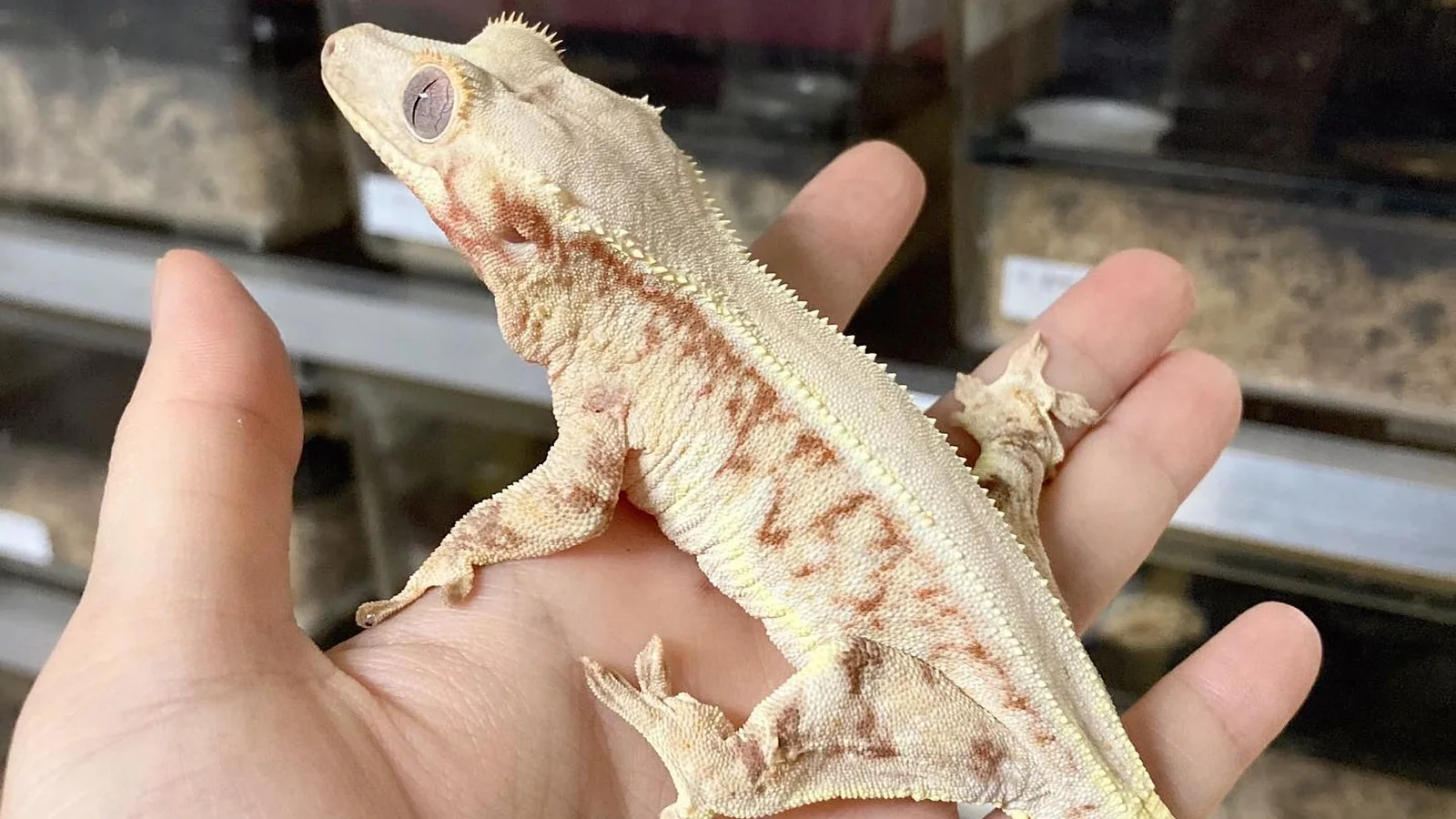
Among preventable reptile illnesses, Metabolic Bone Disease (MBD—nutritional secondary hyperparathyroidism) remains both the most heartbreaking and the easiest to prevent with modern diets and lighting.
Bones turn rubbery and warped because calcium is not optional bone cement—every heartbeat, nerve impulse, and muscle twitch requires precise ionized calcium in the blood. When dietary calcium runs low, phosphorus overwhelms intake, or vitamin D3 is absent, parathyroid hormones raid calcium directly from the jaw, limbs, and spine to keep the heart beating. Over weeks, dense bone thins into soft fibrous tissue that bends or fractures during ordinary leaps.
Early Warning Stages vs. Permanent Skeletal Warping
Do not wait until limbs swell or backs bend into S-curves—catch MBD when reversal is still nearly complete:
| Stage | Clinical Signs | Reversibility | Action Needed Right Away |
|---|---|---|---|
| Stage 1: Empty Reserves | Roof-of-mouth endolymphatic chalk sacs look empty and pink; slightly clumsy glass adhesion | 100% Reversible | Switch immediately to refrigerated fresh Complete D3-fortified CGD (Pangea or Repashy) and dust feeders with Repashy SuperCal MeD (plain calcium only if running optional UVB) |
| Stage 2: Neuromuscular Tremors | Fine shivering or twitching in toes and wrists while climbing; awkward chewing on insects | Highly Reversible (Golden Treatment Window) | Schedule an exotic vet exam immediately for weight-dosed liquid calcium glubionate; lower fall heights while fixing diet and lighting |
| Stage 3: Soft & Warped Bones | Soft “rubber jaw” failing to seal flush; bowed or swollen limbs; wavy spine or kinked tail | Bones re-harden with care, yet bent shapes stay permanent | Urgent Veterinary Protocol: Confine to a flat padded paper-towel hospital enclosure and follow prescribed liquid calcium/calcitonin therapy |
| Stage 4: Acute Hypocalcemic Crisis | Dragging hind legs, whole-body muscle spasms, inability to pass stool past a collapsed pelvis | Critical Emergency | Immediate emergency veterinary hospital care for injected calcium and fluid support |
Routine checks of the upper palate reveal mineral balance before bones deform: white plump pads mean full storage, whereas empty pink hollows warn of early depletion.
Three Profiles Most Likely to Develop MBD
- Geckos Fed Fresh Mashed Fruit, Baby Food, Jelly Pots, or Generic Powder: Bananas and mangoes carry heavily inverted phosphorus-to-calcium ratios that deplete juvenile skeletons rapidly.
- “Bug-Only” Eaters Given Undusted Feeders: Uncoated crickets and secondary Dubia roaches carry extreme phosphorus excess.
- Breeding or Heavily Gravid Females Lacking Reserves: Females lay shelled eggs repeatedly across warm months even when unmated. Pairing young females before 18–24 months and a lean 40–45 g+ with plump chalk sacs triggers sharp post-laying calcium crashes.
Disciplined Supplementation and Accessible Care After Recovery
- Never Stir Extra Calcium or D3 Powder Into Pangea or Repashy CGD: Proven complete diets are already balanced. Keep supplementation strictly on live feeder insects:
- Standard No-UVB Enclosures: Dust crickets (primary) and occasional secondary feeders with Repashy SuperCal MeD (the single D3 calcium powder we recommend), rotating a multivitamin every 2–3 weeks.
- Only If Running Optional Linear T5 UVB (
UVI 0.5–1.0): Dust feeder bugs with plain calcium carbonate without D3 instead.
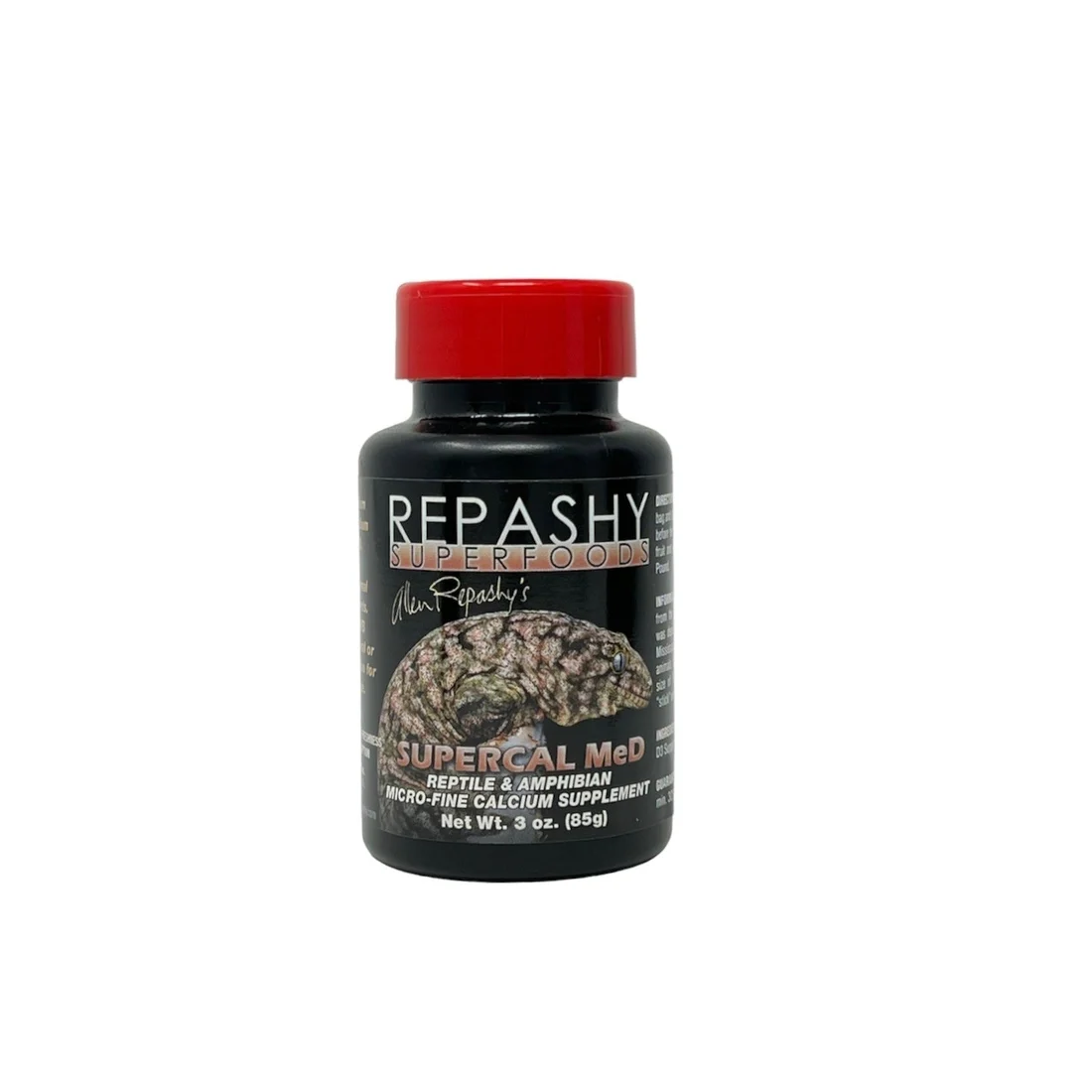
- Never Mega-Dose Oral D3 at Home During an MBD Crisis: Dumping massive synthetic D3 into food before veterinary liquid calcium restores blood levels can calcify kidneys long before bones harden.
- Accessible Housing for Recovered MBD Survivors: Once hardened under veterinary guidance, MBD survivors can still enjoy a comfortable 15–20 year lifespan. Adapt their permanent
30×30×45 cmhome into a low-fall layout using wide gentle cork ramps, soft foliage cushions, and low-mounted food and water cups, and permanently retire any female with pelvic narrowing from breeding.