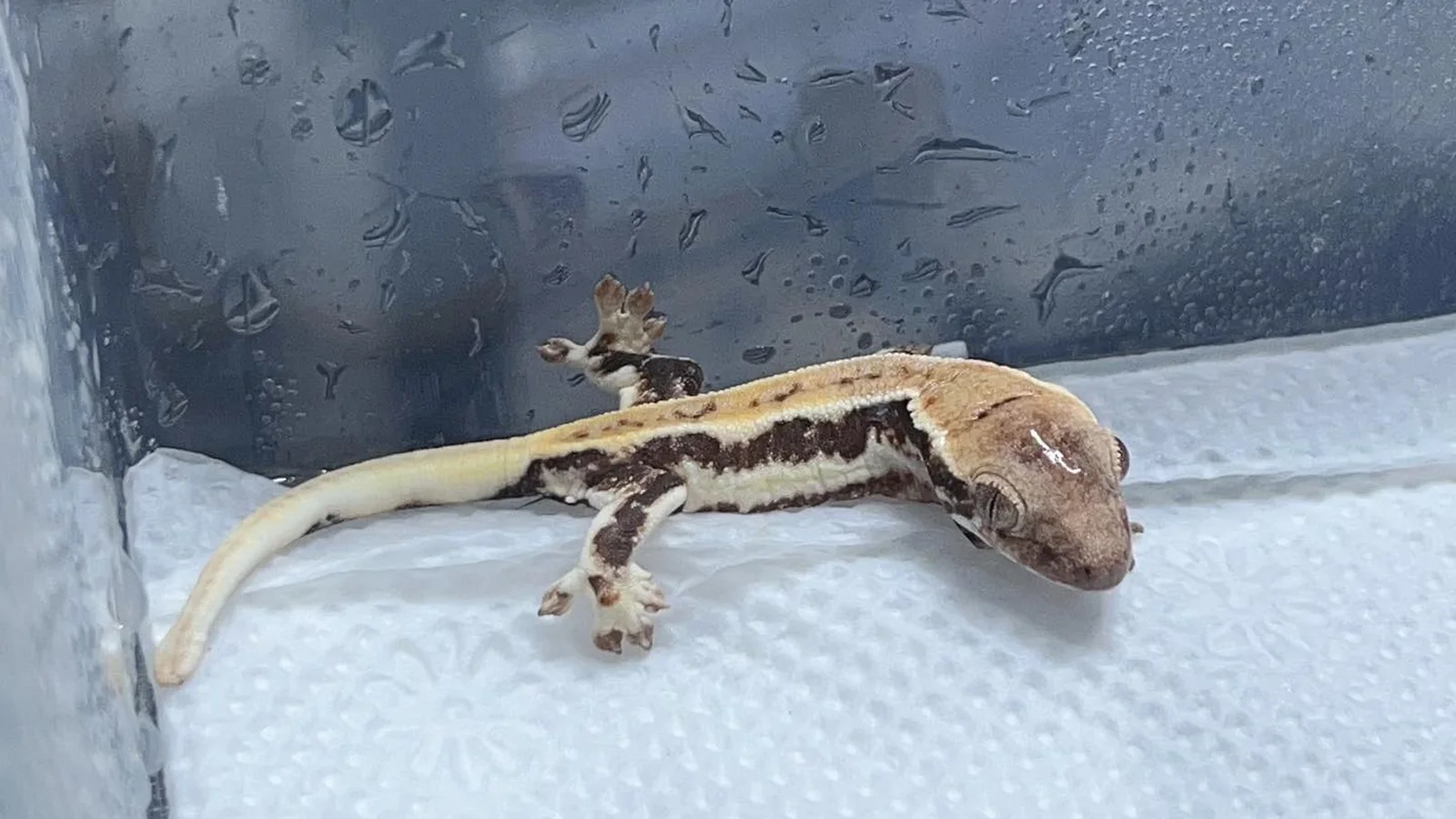
“My gecko never touches outdoor soil and stays inside an indoor glass box—how could it have parasites?”
Captive reptile parasites do not materialize from thin air. Almost all arrive hitching quietly inside a newly purchased gecko (multiplying once shipping or relocation stress weakens immunity) or ride in with dirty commercial feeder crickets. While low numbers of minor flagellates or pinworms can sit calmly in unstressed animals, crowding, heat spikes, or stress quickly push loads past safe limits.
Recognizing Internal and External Parasites
Book a diagnostic fecal screen whenever steady weight loss accompanies normal eating, or soft foul-smelling diarrhea repeats across several cleanings:
| Group | Common Agents | Clinical Clues | Transmission & Disinfection Reality |
|---|---|---|---|
| Gut Protozoa | Coccidia, Flagellates (Hexamita / Trichomonas), Entamoeba | Repeated watery, slimy, or blood-flecked foul diarrhea; rapid thinning of tail base; chronic dehydration | Self-reinfection happens rapidly: F10SC and rubbing alcohol do NOT kill coccidia oocysts. Use disposable paper towels daily plus steam heat/vet-prescribed oxidative protocols |
| Nematode Worms | Pinworms (Oxyurids), Roundworms, Capillaria | Stunted juvenile weight gain despite vigorous feeding; soft stools or straining | Moderate (Often via commercial crickets): Identified cleanly on veterinary fecal flotation and very treatable when dosed accurately |
| Cryptosporidium | Reptilian Cryptosporidium (C. varanii / C. saurophilum) | Relentless regurgitation of meals, severe muscle wasting (“stick-tail”), liquid stools, progressive collapse | CRITICAL BIOSECURITY HAZARD: Resistant to F10SC, bleach, chlorhexidine, and alcohol; often missed by simple smears—requires PCR swab testing and strict 30–60 day baseline (60–90 day multi-gecko/bioactive) paper-towel quarantine |
| External Mites | Reptile mites (Ophionyssus spp.) | Pinpoint moving reddish-brown/black dots around eyes, ear openings, chin creases, or armpits; excessive soaking | Crawls between adjacent tanks: Wipe onto white paper to spot red specs; avoid toxic dog/cat flea sprays and follow veterinary safe treatment |
Comparing healthy three-part droppings against slimy, foul-smelling liquid smears helps separate normal hydration from gut protozoa.
Collecting a Diagnostic-Grade Fecal Sample
Bringing three-day-old dried droppings scraped off bark—or a sample frozen solid overnight—renders microscopic checks useless because live motile protozoa die and eggs rupture.
- Grab a Fresh Dropping (Under 24 Hours Old, Ideally Under 6 Hours): Line the enclosure with white unbleached paper towels at dusk. Once fresh stool appears overnight or early morning, snip out the small clean square of paper towel beneath it intact without scooping dirt.
- Prevent Drying Without Flooding: Place the square in a clean zip-top bag or sterile sample pot. If transport takes several hours, touch one tiny drop of sterile 0.9% saline onto the paper beside the stool—never soak the sample in water.
- Chill at
4°C (39°F)—NEVER Freeze: Store double-bagged inside the refrigerator until clinic drop-off. Ice crystals shatter eggs and flagellates. - Understand the Lab Combo: Ask for both a direct wet mount (to catch live swimming flagellates) and a fecal flotation (to concentrate nematode eggs and coccidia oocysts), plus PCR testing when Cryptosporidium is suspected.
Why DIY Deworming Frequently Backfires
Online advice pushing keepers to buy bulk fenbendazole, metronidazole, or coccidiostats (toltrazuril or ponazuril—never confuse anti-coccidial toltrazuril with antibiotics like enrofloxacin/Baytril) and guesstimate toothpick scoops risks fatal overdose:
- Targeted Chemistry Matters: Fenbendazole clears worms while leaving coccidia and flagellates untouched; miscalculated metronidazole causes sudden neurological spinning, head tilt, and seizures.
- 0.01 mL Gram Dosing + Environment Breakdown: Safe parasite clearance requires compounding exact micro-volumes for a 10-gram juvenile vs. a 45-gram adult, paired with daily paper-towel swaps and discarding porous cork/wood whenever resistant coccidia or Cryptosporidium oocysts are involved.